
Keeping a home comfortable, functional, and attractive requires regular maintenance and thoughtful improvements. From refreshing outdated interiors to repairing essential features and upgrading energy efficiency, homeowners have many opportunities to improve their living spaces. Home upgrading and maintenance can help protect a property’s value, reduce everyday inconveniences, and create a more enjoyable environment for the entire family.
Whether you want to modernize your kitchen, improve your bathroom, upgrade lighting, or address small repairs before they become expensive problems, a well-organized plan can make the process easier. Choosing the right projects, setting a realistic budget, and working with qualified professionals are essential steps toward achieving lasting results.
This guide explores practical home upgrading and maintenance ideas, popular improvement projects, budgeting tips, and strategies for keeping your property in excellent condition.
What Is Home Upgrading and Maintenance?
Home upgrading and maintenance involve improving existing features while ensuring that the property remains safe, comfortable, and functional.
Home upgrading focuses on making improvements, such as installing modern fixtures, replacing outdated flooring, improving storage, or updating appliances.
Home maintenance involves preserving the condition of the property through routine inspections, cleaning, servicing, and repairs. Examples include checking for leaks, maintaining heating and cooling systems, repairing damaged trim, and inspecting roofing.
Both activities work together. Upgrading a home without maintaining its essential systems can lead to unnecessary expenses, while regular maintenance helps protect the improvements you make.
Key Benefits of Home Improvement
- Improves everyday comfort and convenience.
- Helps identify minor problems before they become major repairs.
- Can improve energy and water efficiency.
- Refreshes outdated interiors and exterior spaces.
- May increase a property’s appeal to potential buyers.
- Helps homeowners organize rooms and use available space more effectively.
The best approach is to balance attractive upgrades with essential repairs and long-term maintenance.
Best Home Upgrading Ideas for Every Room
Different areas of a house have different needs. Start by identifying which spaces require attention and which improvements will provide the greatest practical benefit.
1. Upgrade Your Kitchen
The kitchen is one of the most frequently used spaces in a home. Improving its layout, lighting, storage, and finishes can make daily cooking and cleaning more convenient.
Consider replacing worn cabinet handles, installing better task lighting, refreshing cabinet finishes, or adding practical drawer organizers. If the existing cabinets are structurally sound, updating their appearance may be more economical than replacing them entirely.
Other useful upgrades include installing a durable backsplash, improving pantry storage, and choosing energy-efficient appliances when replacements are necessary.
Before beginning a major kitchen renovation, establish priorities and determine whether plumbing, electrical, or ventilation work will be required.
2. Refresh Your Bathroom
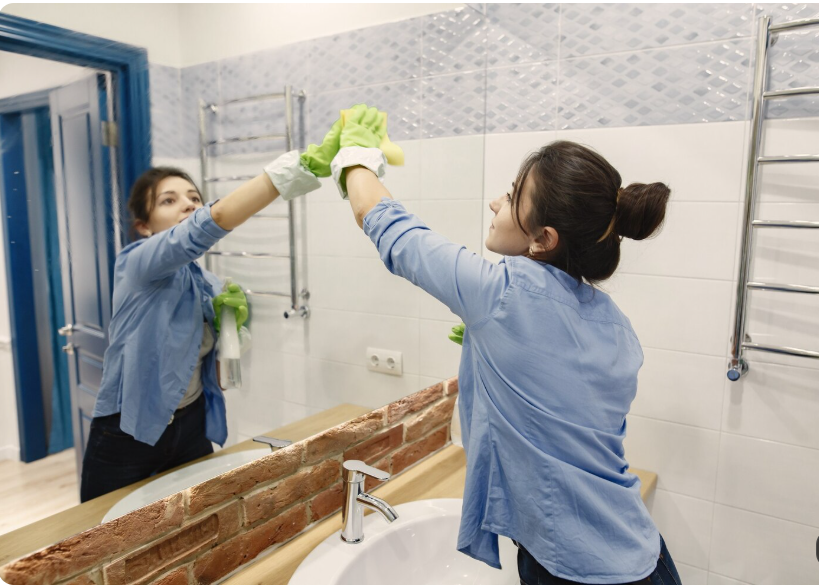
Bathrooms benefit from improvements that combine functionality with moisture protection.
Simple upgrades include replacing outdated faucets, improving lighting, updating mirrors, installing additional storage, and renewing damaged sealant where appropriate.
If you are considering a larger renovation, focus on ventilation, waterproofing, plumbing condition, and slip-resistant flooring. Attractive finishes are important, but preventing moisture damage should be a priority.
Choose materials designed for wet environments, and use qualified professionals for complex plumbing or electrical work.
3. Improve Living Room Comfort
A living room should provide a comfortable place to relax, entertain guests, and spend time with family.
You can refresh the space by rearranging furniture, repainting walls, updating curtains, introducing layered lighting, or adding storage cabinets.
Replacing outdated light fixtures with suitable modern alternatives can improve both appearance and functionality. Consider using a combination of ambient lighting, task lighting, and accent lighting rather than relying on a single ceiling fixture.
For a budget-friendly transformation, begin with furniture placement, textiles, and lighting before investing in expensive furniture.
4. Make Bedrooms More Functional
Bedrooms should support rest, relaxation, and efficient storage.
Useful improvements include installing closet organizers, replacing worn flooring, updating window coverings, and adding bedside lighting. Built-in storage can be especially helpful in smaller rooms where floor space is limited.
Choose colors, lighting, and furniture arrangements that suit the room’s size and purpose. Avoid overcrowding the space with furniture that restricts movement.
5. Upgrade Outdoor Spaces
Outdoor improvements can make a property more attractive and create additional opportunities for relaxation.
Depending on your space and budget, consider maintaining the garden, repairing pathways, improving outdoor lighting, refreshing a patio, or adding suitable weather-resistant seating.
Inspect exterior woodwork, drainage, fences, and surfaces regularly. Addressing water accumulation and damaged materials early can help prevent more extensive repairs.
Essential Home Maintenance Tasks
Routine maintenance is one of the most effective ways to protect a home. Rather than waiting until something breaks, create a schedule for inspecting important systems and components.
Monthly Maintenance Checklist
- Check visible plumbing for leaks.
- Clean kitchen exhaust filters as recommended by the manufacturer.
- Test smoke and carbon monoxide alarms where applicable.
- Inspect frequently used doors, windows, and locks.
- Clean air filters according to equipment instructions.
- Look for signs of moisture, mold, or unusual odors.
Seasonal Maintenance Checklist
At appropriate intervals throughout the year, inspect the roof and gutters where safely accessible, check exterior paint and sealants, service heating and cooling equipment as recommended, and inspect outdoor drainage.
Before extreme weather, make sure relevant systems are ready for expected conditions. Homes in humid or rainy climates may need particular attention to roof leaks, drainage, ventilation, and moisture control.
Never climb onto an unsafe roof or attempt electrical repairs without the appropriate training.
Home Upgrading Projects and Their Benefits
The following table compares common projects and the improvements they may provide.
| Home Upgrade | Main Benefit | Maintenance Consideration |
|---|---|---|
| Kitchen cabinet refresh | Improved appearance and storage | Clean surfaces and check hinges |
| LED lighting | Potential energy savings | Use suitable bulbs and fixtures |
| Bathroom ventilation | Better moisture management | Clean vents and inspect airflow |
| Window and door sealing | Reduced drafts | Check seals for wear |
| Flooring replacement | Improved durability and appearance | Follow material-specific care |
| Closet organization | Better use of space | Avoid overloading shelves |
| Exterior painting | Improved appearance and surface protection | Inspect for peeling or moisture |
| Outdoor drainage improvements | Better water management | Keep drains and channels clear |
The actual benefits depend on the property’s condition, product quality, installation, and local climate.
How to Plan a Home Upgrade Budget
A clear budget helps prevent overspending and makes it easier to prioritize important work.
Step 1: Identify Your Priorities
Begin by separating essential repairs from optional improvements.
For example, fixing a leaking pipe or addressing unsafe electrical wiring should generally take priority over installing decorative wall panels. Once urgent problems are resolved, you can focus on cosmetic upgrades and comfort improvements.
Step 2: Research Materials and Labor
Obtain estimates for materials, installation, disposal, and any required permits. Compare quotations carefully to ensure that each contractor is pricing the same scope of work.
Lower-cost materials may be appropriate for some projects, but durability, maintenance needs, and installation quality should also influence your decision.
Step 3: Include a Contingency
Older homes may contain hidden problems, including damaged wiring, water intrusion, or deteriorated materials. Set aside an additional amount for unexpected expenses.
For a substantial renovation, a contingency of around 10%–20% of the estimated project cost can be a useful planning starting point, although the appropriate amount depends on the project’s uncertainty and condition of the property.
Step 4: Complete Projects in the Right Order
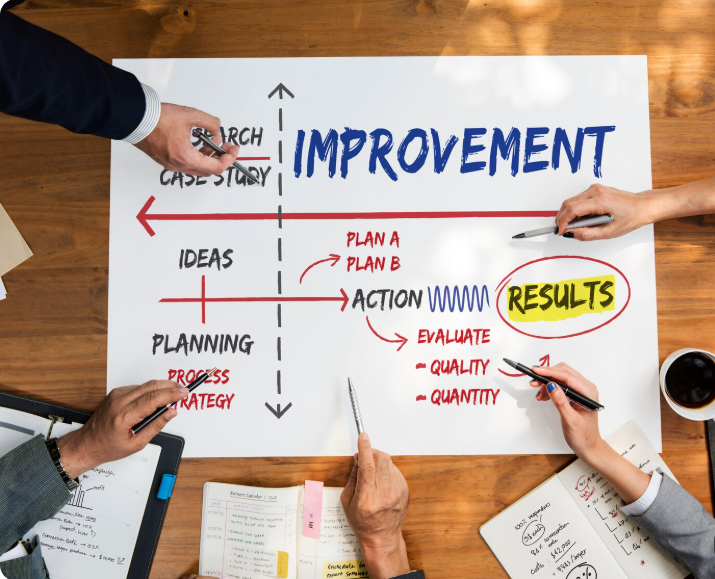
Plan work so that one improvement does not damage another. For example, major electrical and plumbing work generally needs to happen before final wall finishes and painting.
A sensible order reduces rework and helps contractors coordinate their tasks.
Example Home Improvement Budget
| Budget Category | Examples | Planning Approach |
|---|---|---|
| Essential repairs | Leaks, damaged wiring, broken fixtures | Address safety and damage first |
| Functional upgrades | Storage, ventilation, lighting | Focus on daily usefulness |
| Cosmetic improvements | Paint, decorative hardware, textiles | Adjust to available funds |
| Professional services | Contractors, inspections, permits | Confirm requirements before work |
| Contingency | Unexpected repairs or material changes | Reserve part of the budget |
Actual prices vary by region, material selection, labor rates, and project complexity. Request local estimates before committing to a budget.
Energy-Efficient Home Upgrading Ideas
Energy-efficient improvements can reduce unnecessary consumption and make indoor spaces more comfortable.
Install Efficient Lighting
Replacing suitable older bulbs with LED alternatives can reduce lighting energy use. Select bulbs with appropriate brightness and color temperature for each room, and ensure that fixtures are compatible with the chosen products.
Improve Insulation and Sealing
Gaps around windows and doors can allow unwanted air movement. Appropriate weatherstripping, caulking, and insulation improvements may help reduce drafts and improve comfort.
However, sealing a home should not compromise necessary ventilation or create moisture problems.
Maintain Heating and Cooling Systems
Dirty filters, blocked vents, and neglected equipment can affect performance. Follow the manufacturer’s maintenance instructions and arrange professional servicing when needed.
Choose Efficient Appliances
When an appliance needs replacement, compare energy labels, operating costs, capacity, and expected lifespan rather than looking only at the purchase price.
The most effective upgrades depend on the local climate, energy prices, and existing condition of the property.
Choosing the Right Home Improvement Professional
Some upgrades are suitable for confident DIY homeowners, while others require professional expertise.
Before hiring a contractor, check their experience, references, insurance, qualifications, and ability to complete the specific work.
Ask for a written estimate describing the materials, labor, schedule, payment terms, and cleanup arrangements. For substantial projects, confirm which permits and inspections may be necessary.
Questions to Ask Before Hiring
- Have you completed similar projects before?
- Can you provide references or examples of previous work?
- What materials are included in the estimate?
- Will additional charges apply if hidden damage is discovered?
- Who is responsible for obtaining permits?
- What is the expected completion schedule?
- Is the work covered by a written warranty?
Electrical work, major plumbing changes, structural alterations, and gas-related work should be handled by appropriately qualified professionals in accordance with local regulations.
Common Home Upgrading Mistakes to Avoid
Even well-intentioned improvements can become expensive if they are poorly planned.
Ignoring Essential Repairs
Painting over water damage or covering deteriorated materials does not solve the underlying problem. Investigate the cause before applying cosmetic finishes.
Choosing Appearance Over Durability
A material may look attractive but perform poorly in a wet, high-traffic, or outdoor environment. Select products suited to the location and intended use.
Underestimating Costs
Small expenses for delivery, preparation, waste removal, and finishing can add up. Review the full project scope before approving the budget.
Starting Too Many Projects at Once
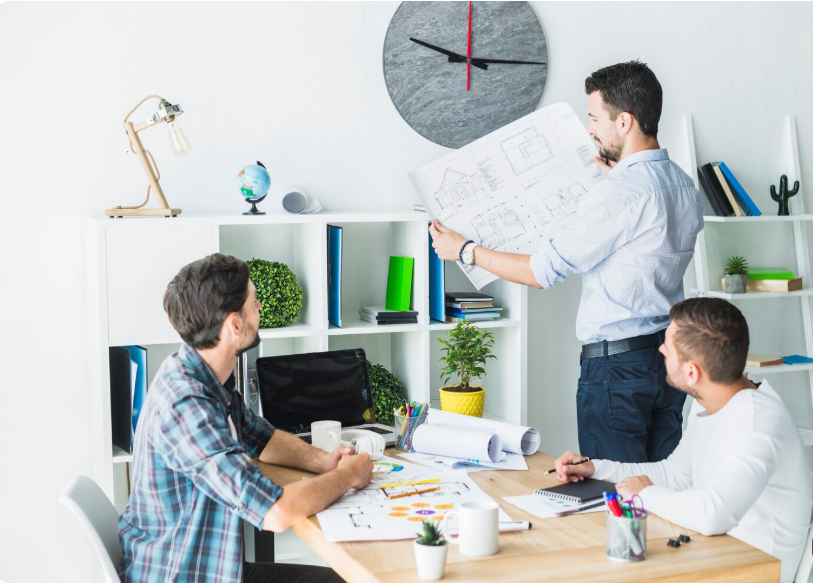
Multiple simultaneous renovations can disrupt daily life and make it harder to track expenses. Completing projects in a logical sequence often improves organization and quality control.
Skipping Maintenance After Upgrading
Even new fixtures, finishes, and appliances require care. Follow product instructions and inspect them periodically to help preserve their performance.
Frequently Asked Questions
1. What is home upgrading and maintenance?
Home upgrading involves improving a property’s appearance, functionality, comfort, or efficiency. Maintenance focuses on preserving existing features through inspections, servicing, cleaning, and repairs. Both help keep a home in good condition.
2. Which home upgrades should I complete first?
Start with safety issues, water leaks, structural concerns, damaged electrical systems, and other problems that could cause further damage. After addressing essential repairs, prioritize improvements that make everyday living easier.
3. How can I upgrade my home on a small budget?
Begin with affordable changes such as repainting, replacing worn hardware, improving organization, changing suitable light bulbs, and repairing minor damage. Compare prices, reuse serviceable materials, and complete projects gradually.
4. How often should home maintenance be performed?
Some tasks, such as checking for visible leaks, should be performed regularly. Other tasks depend on the season, equipment instructions, local weather, and the age of the property. A written monthly and seasonal checklist helps keep maintenance organized.
5. Do home upgrades increase property value?
Some improvements can increase buyer appeal and support property value, but results depend on local market conditions, workmanship, project costs, and buyer preferences. Essential repairs and well-planned functional improvements are often sensible starting points.
| Read more:Wireless Camera with Monitor: |
One thought on “home upgrading mintpalment: A Complete Guide to Home Upgrades, Maintenance, and Smart Improvement Ideas”