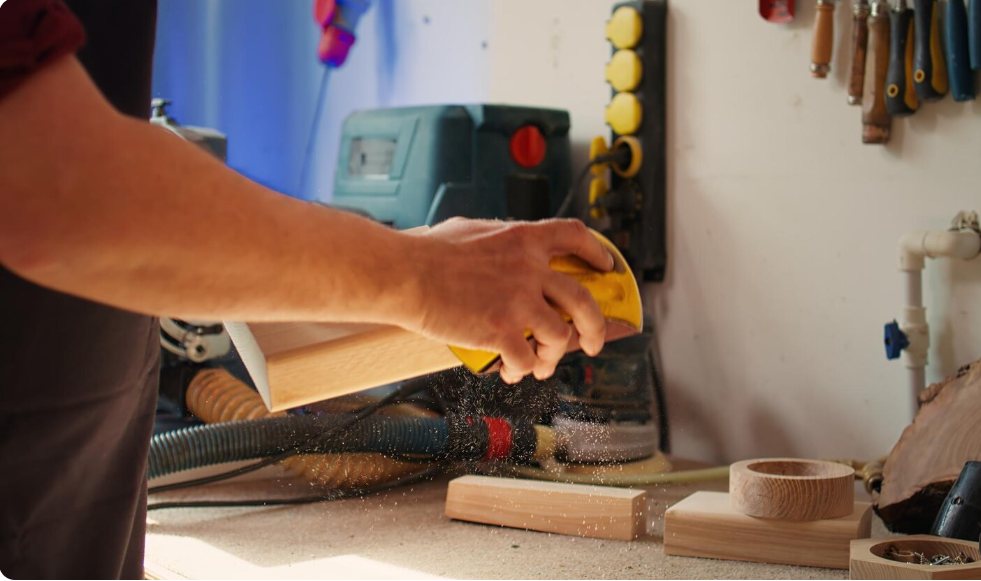
A well-maintained home depends on strong, functional, and attractive woodwork. From repairing damaged doors and fixing loose cabinets to installing shelves and building custom furniture, carpentry plays an important role in everyday home maintenance. A carpentry handyman can help homeowners complete a wide range of woodworking projects without the hassle of hiring multiple contractors for smaller jobs.
Whether you need to repair a squeaky door, replace damaged trim, install kitchen cabinets, or improve your living space with custom wooden features, a skilled handyman with carpentry experience can provide practical solutions. These professionals combine basic home repair knowledge with woodworking skills to handle projects that improve both the appearance and functionality of a property.
Understanding the services, benefits, costs, and qualifications associated with carpentry handyman work can help you make better decisions when planning home repairs or renovations.
What Is a Carpentry Handyman?
A carpentry handyman is a home repair professional who specializes in woodworking tasks and general maintenance projects. Unlike a specialist carpenter who may focus on large-scale construction or highly detailed custom woodworking, a handyman often handles smaller carpentry jobs alongside other household repairs.
These professionals work with materials such as solid wood, plywood, MDF, laminate, and wooden composites. Their work may involve measuring, cutting, assembling, installing, adjusting, and repairing wooden structures or fixtures.
Typical projects include repairing cabinet doors, installing shelving, replacing baseboards, fixing wooden furniture, and assembling storage units.
A reliable handyman can be particularly useful when several small repairs need attention around the house. Instead of coordinating different service providers for each task, homeowners may be able to complete multiple suitable projects during one appointment.
Key Services Offered by a Carpentry Handyman
Carpentry handyman services can cover many areas of a home. The exact services available depend on the professional’s experience, equipment, and qualifications.
1. Door Repair and Installation
Doors experience regular wear and tear. Hinges may loosen, wooden frames may become damaged, and doors can begin sticking because of changes in humidity or movement in the building.
A handyman can help with:
- Adjusting doors that scrape against the floor.
- Tightening or replacing hinges.
- Repairing minor damage to wooden doors.
- Installing interior doors and door hardware.
- Replacing damaged door trim.
- Improving the alignment of cabinet and closet doors.
Correct measurements and proper installation help doors operate smoothly and close securely.
2. Cabinet Repair and Installation
Kitchen, bathroom, and storage cabinets are important for organization and everyday convenience. Over time, cabinet doors can become misaligned, drawer slides may stop working properly, and handles can loosen.
Carpentry handyman services may include repairing cabinet frames, replacing hinges, adjusting drawer mechanisms, installing handles, and assembling ready-made cabinets.
For homeowners planning a kitchen refresh, repairing existing cabinets can sometimes be a practical alternative to replacing the entire cabinet system.
3. Furniture Assembly and Repair
Furniture assembly is another common service. Many homeowners purchase flat-pack furniture, desks, bookcases, wardrobes, and storage units that require careful assembly.
A handyman with carpentry skills can help assemble these products according to the manufacturer’s instructions. They may also repair loose joints, reinforce suitable furniture components, replace damaged wooden parts, and fix unstable tables or chairs.
However, repairs involving valuable antiques, intricate carving, or specialized finishes may require a furniture restoration expert.
4. Shelving and Storage Solutions

Proper storage makes a home more organized and functional. A carpentry handyman can install floating shelves, wall-mounted bookcases, garage storage systems, and wooden closet organizers.
Before installation, the professional should identify suitable wall supports and select appropriate fasteners for the wall material and expected load.
Heavy shelves and cabinets must be securely anchored. Incorrect installation can damage walls or create a safety hazard, particularly when items are stored above beds, desks, or walkways.
5. Trim, Molding, and Baseboard Repairs
Small decorative details can significantly affect a room’s appearance. Damaged baseboards, loose molding, and unfinished edges may make an otherwise attractive interior look neglected.
A handyman can measure and cut replacement trim, repair loose sections, fill small gaps, and prepare surfaces for painting.
These improvements are often relatively straightforward and can make rooms look cleaner without requiring a major renovation.
Benefits of Hiring a Carpentry Handyman
Hiring a qualified professional offers several advantages for homeowners who need routine repairs or smaller woodworking projects.
Saves Time and Effort
Carpentry projects often require precise measurements, specialized tools, and practical experience. A professional can complete suitable tasks efficiently while reducing the time homeowners spend researching techniques or troubleshooting mistakes.
Helps Prevent Costly Mistakes
Incorrect cuts, poorly fitted doors, and improperly installed shelves can lead to wasted materials and additional repair expenses. An experienced handyman can identify potential problems and recommend appropriate solutions before work begins.
Improves Home Functionality
A properly adjusted cabinet, securely installed shelf, or repaired door can make everyday activities easier. Small improvements can also help homeowners make better use of limited space.
Supports Routine Property Maintenance
Regular maintenance can help identify minor damage before it becomes more serious. Loose wooden components, deteriorating trim, and damaged cabinet hardware are often easier to address early.
Offers Flexible Project Options
Many handymen can complete several compatible repairs during one visit. This can be convenient for homeowners preparing a property for sale, updating a rental unit, or working through a home maintenance checklist.
Common Carpentry Handyman Projects
The following table highlights typical projects and their potential benefits.
| Project | Typical Work | Main Benefit |
|---|---|---|
| Door repair | Adjust hinges, repair frames, align doors | Better operation |
| Cabinet repair | Replace hardware, adjust doors | Improved usability |
| Shelf installation | Measure, mount, and secure shelves | Additional storage |
| Baseboard repair | Replace or secure trim | Cleaner interior appearance |
| Furniture repair | Tighten joints and replace components | Extended furniture life |
| Closet upgrades | Install organizers and shelving | Better organization |
| Wooden gate repair | Adjust hinges and replace suitable boards | Improved function and appearance |
The complexity of each project depends on the materials, the condition of the existing structure, and the tools required.
How to Choose the Right Carpentry Handyman
Selecting the right professional is important for achieving durable results. Before hiring someone, evaluate their experience, communication, pricing, and approach to safety.
1. Check Relevant Experience
Look for someone who regularly completes the type of work you need. Installing shelves requires different skills from repairing a damaged door frame or fitting kitchen cabinets.
Ask whether the professional has completed similar projects and whether they can provide photographs or references.
2. Read Reviews and Ask for Recommendations
Customer reviews can offer insight into punctuality, workmanship, communication, and reliability. Recommendations from friends, neighbors, or property managers may also help you identify trustworthy professionals.
Look for consistent patterns across reviews rather than relying entirely on one positive or negative comment.
3. Request a Detailed Estimate
A written estimate should explain the expected labor, materials, additional charges, and approximate completion time.
For larger projects, ask whether the estimate includes removing old materials, disposing of waste, and repairing any surfaces affected by the work.
4. Confirm Insurance and Qualifications

Depending on your location and the type of project, the professional may need appropriate insurance, permits, or trade qualifications. Ask about these requirements before work begins.
Structural changes, major framing, electrical work, and plumbing modifications may require licensed specialists rather than a general handyman.
5. Discuss Materials and Finishing
Different projects require different materials. Solid wood, plywood, MDF, and laminate each have advantages and limitations.
Discuss durability, moisture exposure, appearance, maintenance, and budget before selecting materials. If the finished work will be visible, confirm whether sanding, filling, staining, painting, or sealing is included.
Understanding Carpentry Handyman Costs
The cost of carpentry handyman services varies according to the project’s complexity, location, labor requirements, materials, and professional experience.
Some providers charge by the hour, while others offer fixed prices for clearly defined jobs. Minimum service charges or travel fees may also apply.
Factors That Influence Pricing
- Project size: Larger installations usually require more labor and materials.
- Repair complexity: Hidden damage or unusual measurements can increase the time needed.
- Material selection: Premium hardwood and custom components often cost more than standard materials.
- Accessibility: Difficult-to-reach areas may require additional preparation or equipment.
- Finishing requirements: Painting, staining, sealing, and detailed trim work can increase the overall cost.
- Location: Local labor rates and transportation expenses affect estimates.
Comparing Common Pricing Methods
| Pricing Method | How It Works | Best Suited For |
|---|---|---|
| Hourly rate | Payment is based on time worked | Small repairs and troubleshooting |
| Fixed project price | One agreed price covers defined work | Shelving or standard installations |
| Labor plus materials | Labor is charged separately from supplies | Projects with variable material needs |
| Day rate | A set amount covers an agreed workday | Multiple compatible repair tasks |
Always compare estimates that cover the same scope of work. The lowest quote may not provide the best value if important materials, finishing tasks, or cleanup are excluded.
DIY Carpentry vs. Hiring a Professional
Some small woodworking tasks are suitable for confident DIY homeowners, while others are better handled by a professional.
When DIY May Be Appropriate
You may be able to complete straightforward tasks such as tightening cabinet handles, assembling simple furniture, or making minor adjustments using basic tools.
Before starting, make sure you understand the instructions, have the correct equipment, and can work safely.
When to Hire a Carpentry Handyman
Consider professional help when a project involves precise cutting, heavy materials, complex installation, or repairs that affect the security and stability of fixtures.
For example, mounting a heavy wall cabinet requires more planning than assembling a small bedside table. A professional can assess the wall structure, choose suitable fasteners, and help ensure a secure installation.
Structural framing, extensive rot, major water damage, and modifications to load-bearing components should be evaluated by an appropriately qualified contractor.
Tips for Getting the Best Results
Good preparation can help a carpentry project run smoothly and reduce avoidable expenses.
- Create a task list: Group related repairs so the handyman can plan the work efficiently.
- Set a realistic budget: Include labor, materials, finishing, and a contingency for unexpected issues.
- Share photographs: Pictures of damaged areas can help the professional understand the job before visiting.
- Clear the workspace: Move furniture and personal belongings away from the work area.
- Choose suitable materials: Consider moisture resistance, strength, appearance, and maintenance needs.
- Confirm the scope: Agree on what will be repaired, replaced, installed, or finished.
- Inspect the completed work: Check alignment, stability, smooth operation, and cleanup before making final arrangements.
Clear communication is one of the easiest ways to prevent misunderstandings and improve the overall experience.
Carpentry Handyman Services for Different Areas of the Home
Kitchen
Kitchen projects may include cabinet adjustments, drawer repairs, shelving, pantry organization, and replacement of damaged trim. Because kitchens experience heat, moisture, and frequent use, material selection is especially important.
Bedroom
Bedroom improvements can include wardrobe adjustments, closet shelving, headboard installation, and furniture repairs. Custom storage can help make smaller bedrooms more practical.
Living Room
In living areas, a handyman may install display shelves, repair wooden furniture, fit decorative molding, or assemble media cabinets.
Bathroom

Bathroom carpentry may involve replacing suitable trim, adjusting storage cabinets, and installing moisture-appropriate shelving. Materials must be selected carefully to withstand humid conditions.
Persistent leaks, extensive rot, or damage behind walls should be investigated before new woodwork is installed.
Garage and Outdoor Areas
Garage shelving, storage units, wooden gates, and minor fence repairs are other possible projects. Outdoor woodwork needs suitable weather-resistant materials and protective finishes.
Projects involving decks, elevated structures, or major outdoor framing may require a specialist contractor and compliance with local building requirements.
Frequently Asked Questions
1. What does a carpentry handyman do?
A carpentry handyman handles common woodworking and home repair tasks, including door adjustments, cabinet repairs, shelf installation, furniture assembly, baseboard replacement, and small storage improvements. Available services depend on the professional’s skills and equipment.
2. How much does a carpentry handyman charge?
Pricing depends on the location, project size, labor requirements, materials, and complexity. Some professionals charge hourly rates, while others provide fixed project estimates. Request a written quote that clearly identifies included work and additional costs.
3. Can a handyman install kitchen cabinets?
Many handymen with appropriate carpentry experience can install ready-made cabinets and complete minor cabinet repairs. Complex layouts, structural changes, or projects involving plumbing and electrical work may require additional specialists.
4. Is a carpentry handyman suitable for small home repairs?
Yes. Handyman services are often useful for smaller projects such as repairing doors, replacing trim, fixing loose cabinet hardware, assembling furniture, and installing shelves. Combining several suitable tasks may make scheduling more convenient.
5. How do I find a reliable carpentry handyman?
Review local recommendations, examine customer feedback, check relevant experience, and request a detailed estimate. Confirm insurance or qualifications where required, discuss the materials and finishing, and make sure the agreed scope of work is clear before hiring.
| Read more: Senior Advocate Embrace Age |