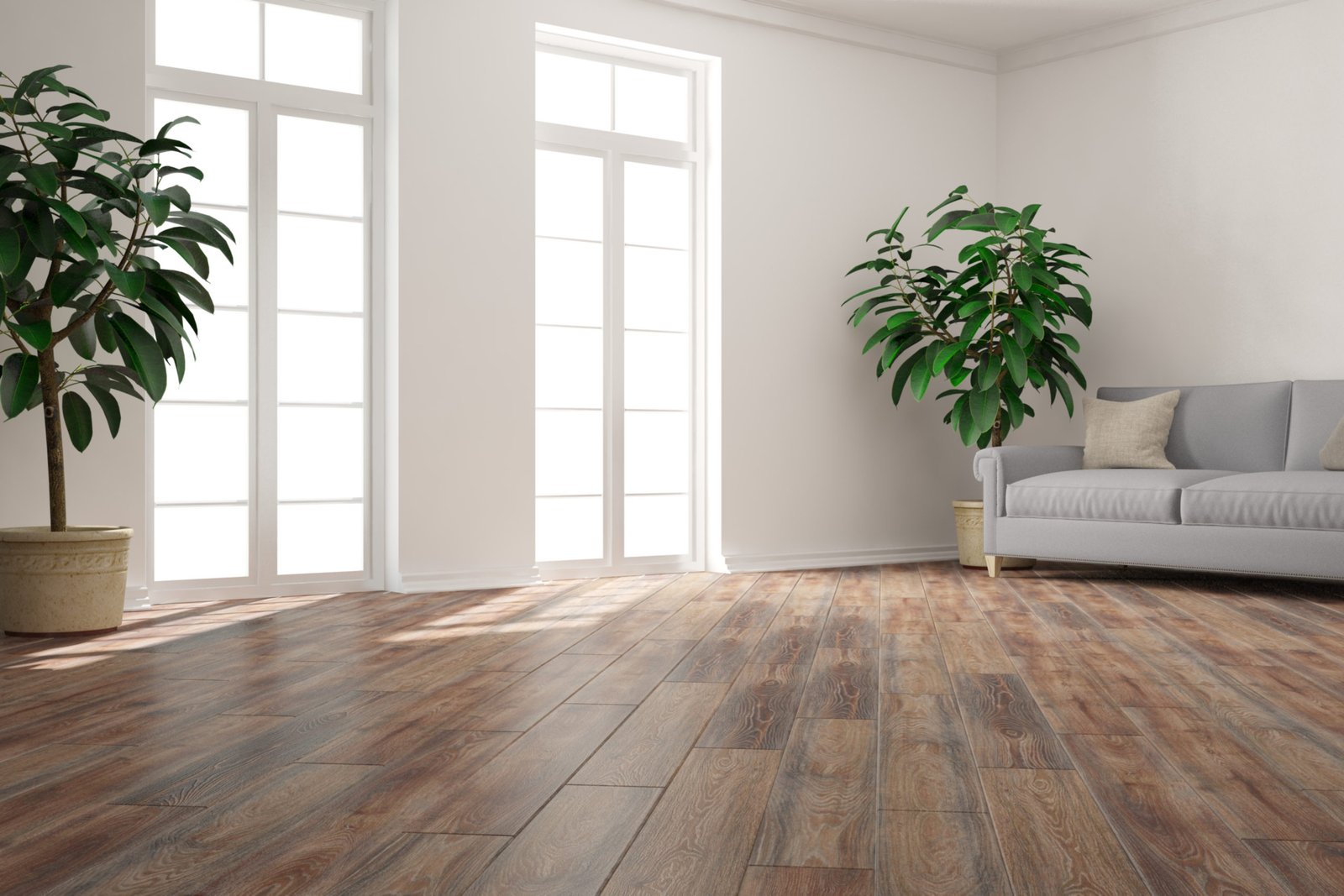
EVP flooring has become a popular option for homeowners, property investors, and interior designers looking for attractive, durable, and practical flooring. With its realistic wood and stone designs, water-resistant construction, and convenient installation options, EVP flooring offers a balance between style and everyday functionality. It can work well in living rooms, bedrooms, kitchens, hallways, and other areas where people want the appearance of premium flooring without the maintenance requirements of natural materials.
Choosing the right flooring involves more than selecting a color or pattern. Homeowners also need to consider durability, moisture resistance, comfort, installation requirements, cleaning, and long-term value. Understanding how EVP flooring works and how it compares with other flooring materials can help you make a confident decision for your home or commercial property.
This guide explains what EVP flooring is, its main benefits, available styles, installation process, maintenance requirements, potential disadvantages, and the factors to consider before purchasing it.
What Is EVP Flooring?
EVP stands for Engineered Vinyl Plank. It is a type of vinyl flooring designed to combine realistic decorative surfaces with a stable, multilayer construction. Most EVP flooring products are manufactured to resemble natural hardwood, although some designs imitate stone, tile, and other materials.
The structure of EVP flooring generally includes several layers. The top layer protects the surface from everyday wear, while the printed decorative layer creates the appearance of wood grain, natural stone, or another design. Beneath these layers, the core provides stability and support. Some products also include an attached underlayment to improve sound absorption and make installation more convenient.
The exact construction depends on the manufacturer. Some EVP products use a rigid vinyl-based core, while others feature a composite core designed to improve dimensional stability. This is why checking the manufacturer’s specifications is important when comparing different flooring options.
EVP flooring is commonly available in plank shapes that resemble hardwood boards. Many products feature click-lock connections, allowing individual planks to connect without being glued directly to the subfloor. Other products may require different installation methods.
One reason EVP flooring attracts attention is its ability to reproduce the appearance of natural materials while offering practical advantages associated with modern vinyl flooring.
Benefits of EVP Flooring
EVP flooring offers several advantages that make it suitable for a wide range of interior spaces. Its performance depends on the quality of the product, the condition of the subfloor, and whether the flooring is installed and maintained correctly.
Water resistance: Many EVP flooring products are designed to resist water and everyday spills. This makes them useful in kitchens, entryways, laundry areas, and other spaces where occasional moisture is common. However, water resistance does not automatically mean that the entire floor system is waterproof. Water can still enter through perimeter gaps, seams, or improperly sealed areas, so standing water should be cleaned promptly.
Realistic appearance: Modern printing and surface-texturing techniques allow EVP flooring to imitate natural wood grain, knots, stone patterns, and other decorative details. Homeowners can choose from light oak, warm walnut, gray wood, rustic textures, and contemporary finishes without purchasing natural hardwood.
Easy maintenance: Routine cleaning is generally straightforward. Sweeping, vacuuming with a suitable hard-floor setting, and damp mopping with a manufacturer-approved cleaner can help maintain the appearance of the surface. Unlike many natural wood floors, EVP flooring usually does not require sanding, staining, or periodic refinishing.
Convenient installation: Many EVP products use click-lock systems that simplify plank installation. Depending on the product, they may be installed as floating floors without permanent attachment to the subfloor. This can reduce installation complexity, although careful preparation and accurate measurements are still necessary.
Everyday durability: The protective wear layer helps resist scratches, scuffs, and stains from ordinary household use. The thickness and quality of this layer vary between products, so specifications matter when selecting flooring for busy households.
Design flexibility: EVP flooring comes in different plank widths, lengths, colors, textures, and patterns. This variety makes it easier to coordinate flooring with kitchen cabinets, furniture, wall colors, and existing interior décor.
Different Types and Styles of EVP Flooring
EVP flooring is available in numerous designs, allowing homeowners to create different looks without changing the basic flooring category. The best option depends on the intended room, personal taste, and the overall design of the property.
Wood-look EVP flooring is among the most popular choices. It reproduces the appearance of hardwood species such as oak, maple, walnut, and hickory. Lighter colors can make a room feel open and airy, while darker finishes may create a more traditional or dramatic atmosphere.
Stone-look EVP flooring offers an alternative for people who prefer the appearance of slate, limestone, or other natural stone surfaces. These designs can complement contemporary kitchens, bathrooms, and minimalist interiors.
Rustic and distressed styles are designed to create the appearance of reclaimed wood or aged timber. Their varied grain patterns and weathered finishes can work well in farmhouse-inspired homes, casual living spaces, and industrial interiors.
Contemporary EVP flooring often features wide planks, subtle textures, neutral colors, and understated grain patterns. These styles can complement modern furniture and simple decorative schemes.
When choosing a style, consider the size of the room and the amount of natural light it receives. Light-colored flooring can help brighten smaller spaces, while medium-toned wood designs often provide a versatile backdrop for different furniture styles. Always review physical samples under the lighting conditions of the room before making a final decision.
EVP Flooring Cost and Budget Considerations
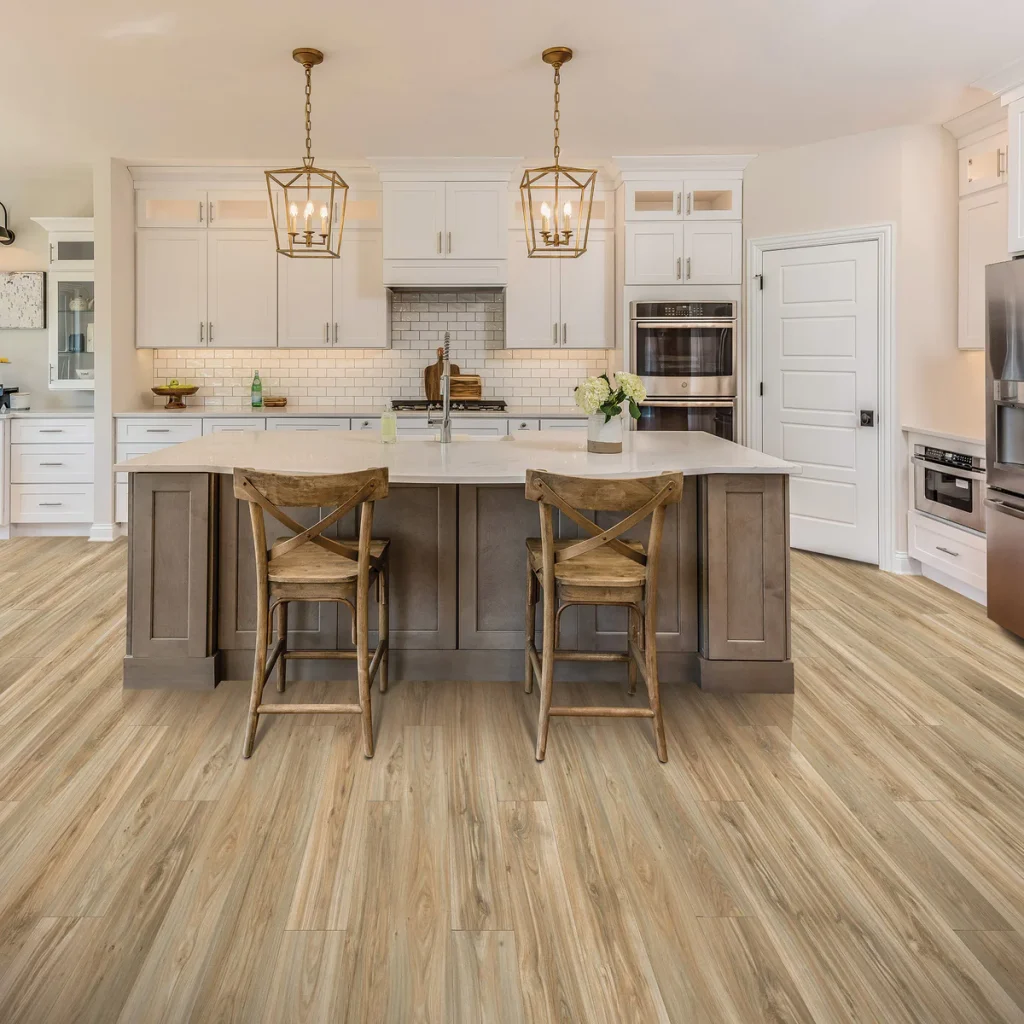
The cost of EVP flooring varies according to product quality, thickness, wear-layer specifications, design, brand, and installation requirements. Budgeting should include more than the advertised price per square foot because preparation materials, underlayment, trim, and professional labor can increase the total project cost.
Entry-level products may be suitable for low-traffic rooms or budget-conscious renovations. Mid-range flooring often offers a wider selection of finishes and construction features. Premium products may provide more realistic textures, thicker wear layers, improved warranties, or additional performance characteristics.
The following table provides a general budgeting framework rather than a guaranteed market price.
| Cost Component | What to Consider |
|---|---|
| EVP flooring material | Product quality, design, thickness, and wear layer |
| Underlayment | Whether it is attached or must be purchased separately |
| Subfloor preparation | Leveling, cleaning, moisture testing, or repairs |
| Installation labor | Room layout, installation method, and local labor rates |
| Transition strips | Finishing between rooms or different flooring materials |
| Baseboards and trim | Covering expansion gaps and finishing wall edges |
| Waste allowance | Extra material for cutting, fitting, and future repairs |
To estimate the material quantity, measure the length and width of each rectangular room and multiply them to calculate the area. Add an allowance for cutting waste based on the room layout and manufacturer’s guidance. Rooms with many corners, narrow sections, or unusual shapes may require additional material.
Requesting itemized estimates from installers can help you compare offers fairly. A lower installation quote may exclude subfloor preparation or finishing materials, so confirm exactly what each price includes before making a decision.
EVP Flooring vs. Other Flooring Options
Comparing EVP flooring with other materials can help you determine whether it suits your household, budget, and lifestyle. Each flooring type has strengths and limitations, and the best choice depends on where it will be installed.
| Flooring Type | Main Advantages | Potential Limitations |
|---|---|---|
| EVP flooring | Realistic designs, easy cleaning, many water-resistant options | Quality varies, and deep damage may require plank replacement |
| Solid hardwood | Natural material, repairable surface, long-lasting potential | Sensitive to moisture and usually requires more maintenance |
| Laminate flooring | Wide design selection and often competitive pricing | Water resistance varies significantly by product |
| Ceramic or porcelain tile | Highly durable surface and strong moisture resistance | Hard underfoot, grout maintenance, and more complex installation |
| Carpet | Soft, warm, and comfortable underfoot | Can retain stains, dust, and moisture |
| Sheet vinyl | Seamless appearance in some installations and practical cleaning | Repairs may be less localized, depending on the product |
EVP flooring can be a useful middle ground for homeowners who want a wood-inspired appearance and practical maintenance. Hardwood may be preferable to those who value genuine wood and the possibility of refinishing. Tile may be more suitable for areas requiring a hard, highly moisture-resistant surface.
Laminate deserves particular attention because it can look similar to EVP flooring. However, the two products have different constructions, and their water-resistance claims should not be treated as interchangeable. Always compare the specifications of the actual products rather than relying on category names alone.
Where Can EVP Flooring Be Installed?
EVP flooring can be appropriate for many rooms, provided the selected product is approved for the intended location and installed according to its instructions.
In living rooms, wood-look planks create a consistent appearance that works with modern, traditional, or transitional furniture. The surface is generally easier to maintain than many natural wood finishes, making it practical for everyday household activity.
Bedrooms benefit from the range of colors and patterns available. Neutral EVP flooring can coordinate with different bedding, curtains, and furniture while providing a smooth, easy-to-clean surface.
Kitchens are another common application because spills and food splashes are part of everyday use. A suitable water-resistant product can simplify cleaning, but spills should not be left standing around cabinets, appliances, or joints.
Hallways and entryways experience frequent foot traffic, dirt, and grit. Choosing a product with an appropriate wear layer and using entrance mats can help preserve the finish.
Bathrooms and laundry rooms require extra care. Some EVP products are approved for these areas, but others may have restrictions related to moisture, subfloor conditions, or installation details. Check the product instructions carefully, especially around drains, tubs, showers, and plumbing fixtures.
EVP flooring can also be used in some commercial interiors, depending on its durability rating and intended application. Busy retail spaces, offices, and public areas may require a product specifically rated for commercial traffic.
How to Install EVP Flooring
Correct installation is essential for achieving an attractive finish and preventing avoidable problems. Although click-lock EVP flooring can be suitable for do-it-yourself projects, the exact procedure depends on the product.
Prepare the subfloor. Remove existing materials when necessary and ensure the subfloor meets the manufacturer’s requirements for flatness, cleanliness, dryness, and structural stability. Uneven areas can cause movement, joint separation, or damage over time.
Check moisture conditions. Concrete and other subfloors may require moisture testing. Follow the flooring manufacturer’s recommendations for vapor barriers and other moisture-control measures. Never assume that a water-resistant plank eliminates the need for appropriate subfloor protection.
Acclimate the material if required. Some products require a period of acclimation in the installation environment, while others have different handling requirements. Follow the manufacturer’s instructions rather than applying one rule to every EVP product.
Plan the layout. Measure the room and determine how the first and last rows will fit. Avoid very narrow strips along prominent walls when the layout can be adjusted. Account for doorways, transitions, and fixed features before beginning.
Install the planks. Connect the planks using the recommended installation method. For floating click-lock systems, maintain the specified expansion gaps around walls and other fixed objects. Avoid forcing joints together or damaging the locking edges.
Finish the edges. Install appropriate transition strips, baseboards, and trim without restricting the movement required by a floating floor. Check that doors open properly and that the finished surface feels stable.
For large rooms, complex layouts, or subfloors with significant irregularities, professional installation may be the safer option. Correct preparation is often more important than installation speed.
EVP Flooring Maintenance and Cleaning Tips
One of the practical advantages of EVP flooring is that it generally requires less specialized maintenance than natural hardwood. A simple cleaning routine can help preserve its appearance for years.
Sweep or vacuum regularly to remove dirt, sand, and small particles that may cause surface wear. Use a vacuum setting suitable for hard flooring and avoid attachments that could scratch the finish.
Clean spills promptly with a soft cloth. For routine mopping, use a lightly damp mop and a cleaner approved by the manufacturer. Avoid excessive water and do not flood the floor, particularly around joints and perimeter edges.
Place protective pads beneath chair and table legs to reduce scratches. Use suitable mats at exterior entrances to limit the amount of grit tracked indoors. When moving heavy furniture, lift it where possible rather than dragging it across the surface.
Avoid abrasive scrubbers, harsh chemicals, and cleaning products that leave a sticky residue unless they are specifically approved for the flooring. Steam mops should also be avoided unless the manufacturer explicitly permits their use.
Inspect areas around appliances, exterior doors, and plumbing fixtures periodically. Promptly addressing leaks can prevent moisture from reaching the subfloor or damaging nearby building materials.
Disadvantages of EVP Flooring
Although EVP flooring has many benefits, it is not the ideal solution for every home. Understanding its limitations helps prevent disappointment after installation.
First, EVP flooring does not have the same natural composition as solid hardwood or stone. Its decorative surface is manufactured, and people who prefer authentic natural materials may find that distinction important.
Second, its resistance to scratches and dents depends on the product’s construction. Heavy furniture, sharp objects, and concentrated loads can still damage the surface or core. A protective wear layer reduces everyday wear but does not make the floor indestructible.
Third, damaged planks can sometimes be difficult to replace. Floating floors may require the removal of several surrounding planks to access the damaged section, depending on the location and locking system. Keeping spare planks from the original batch can make future repairs easier.
Fourth, subfloor preparation remains essential. Rigid construction does not eliminate the need for a suitable, level base, and an unsuitable installation can lead to joint problems or an uneven feel.
Finally, environmental considerations deserve attention. EVP flooring contains synthetic materials, and recycling options depend on the product and local facilities. Buyers concerned about indoor air quality should review relevant emissions certifications and choose products that provide clear information about material composition.
How to Choose the Best EVP Flooring
Selecting the right EVP flooring begins with identifying the room’s requirements. A busy family room may need a more robust wear layer than a guest bedroom used occasionally. A kitchen or laundry area requires careful attention to the manufacturer’s moisture-resistance specifications.
Compare the wear-layer thickness, core construction, locking system, warranty conditions, and approved installation locations. Do not select a product based on overall plank thickness alone, because a thicker plank does not automatically have a more durable surface.
Consider appearance as well as performance. Review samples alongside cabinets, paint colors, countertops, and furniture. Look at the flooring in both natural and artificial light to see how its color changes throughout the day.
Check whether the product includes an attached underlayment and whether an additional layer is permitted. Adding an unapproved underlayment can affect the locking system or product warranty.
Finally, review the warranty carefully. Residential and commercial warranties may have different terms, and coverage may depend on correct installation, maintenance, and room conditions. Confirm whether the warranty covers surface wear, water damage, manufacturing defects, and installation-related issues.
A good buying decision balances appearance, durability, installation requirements, maintenance, and total cost rather than focusing on a single feature.
Frequently Asked Questions About EVP Flooring
Is EVP flooring waterproof?
Some EVP products are marketed as waterproof at the plank level, while others offer water resistance. Even with waterproof planks, moisture can reach the subfloor through gaps, edges, or installation defects. Check the manufacturer’s specific claims and installation requirements.
Is EVP flooring better than laminate flooring?
Neither option is automatically better in every situation. EVP flooring often provides strong moisture resistance and a flexible range of designs, while laminate products may offer other advantages in surface texture or price. Compare individual specifications before deciding.
Can EVP flooring be installed over existing floors?
Some products can be installed over certain existing hard surfaces if the base is stable, clean, dry, and sufficiently level. Carpet and other unsuitable materials generally need to be removed. The manufacturer’s installation guide determines which existing surfaces are acceptable.
How long does EVP flooring last?
Its lifespan depends on product quality, wear-layer construction, foot traffic, installation, and maintenance. A well-selected product installed correctly can provide years of service, but no single lifespan applies to every EVP floor.
Is EVP flooring suitable for homes with pets?
Many EVP products are practical for homes with pets because they are easy to clean and resist ordinary spills. However, pet claws can still scratch some surfaces, and accidents should be cleaned promptly to protect joints and the subfloor.
Does EVP flooring require special cleaning products?
Usually, a soft broom, a suitable vacuum, a damp mop, and a manufacturer-approved cleaner are sufficient. Avoid harsh chemicals, abrasive tools, and excessive water unless the manufacturer specifically permits them.
Conclusion
EVP flooring offers a practical combination of attractive designs, convenient maintenance, and useful moisture resistance. Its ability to imitate hardwood and stone makes it suitable for a variety of interior styles, while click-lock installation systems can simplify many renovation projects.
However, the right choice depends on the product’s construction, wear layer, moisture specifications, installation requirements, and warranty. Homeowners should also consider subfloor preparation, total project cost, cleaning routines, and the environmental characteristics of the material.
By comparing these factors before purchasing, you can choose EVP flooring that suits your space, budget, and everyday needs. A carefully selected product, installed correctly and maintained regularly, can provide an attractive and functional flooring solution for many years.
2 thoughts on “EVP Flooring: Benefits, Types, Costs, Installation, and How to Choose the Best Floor”