Introduction
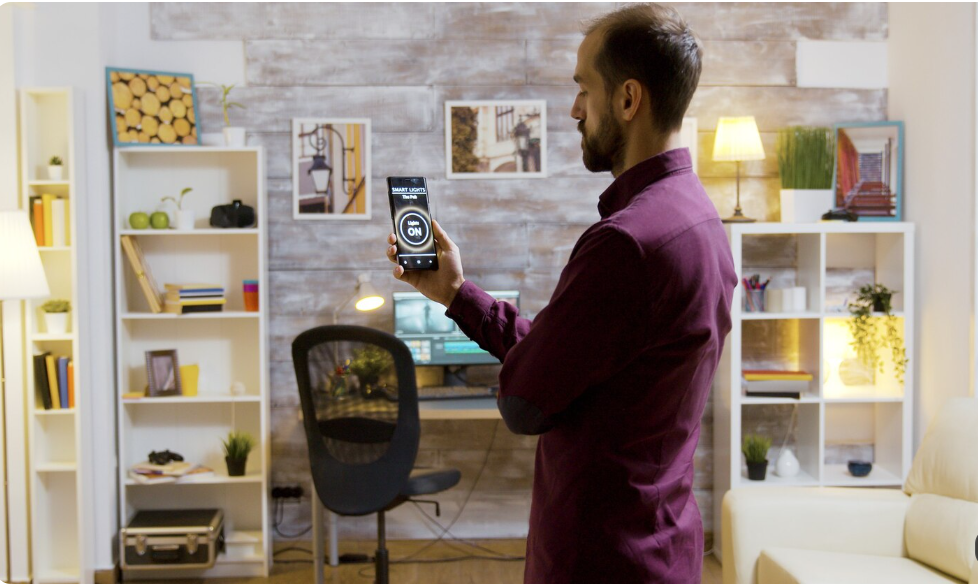
Modern homeowners want their homes to be comfortable, secure, convenient, and energy-conscious. Professional smart home installation in Montgomery County helps make these goals possible by connecting lighting, thermostats, security cameras, door locks, entertainment systems, and other devices into a coordinated system.
Whether you live in a traditional home, a newly constructed property, or a renovated residence, smart technology can simplify everyday routines. With the right installation plan, you can control compatible devices through a smartphone, voice assistant, wall-mounted control panel, or automated schedule.
A successful smart home project involves more than purchasing connected gadgets. Device compatibility, Wi-Fi coverage, electrical requirements, privacy, and reliable setup all matter. Professional planning can help create a system that suits your property and lifestyle.
What Is Smart Home Installation?
Smart home installation involves setting up and configuring connected devices so they can operate independently or work together. Depending on the project, installation may include mounting equipment, connecting devices to a network, configuring applications, integrating automation routines, and testing the completed system.
Smart home professionals serving Montgomery County may help with lighting control, smart thermostats, home security, motorized shades, whole-home audio, and home theater integration. Local providers offer different combinations of these services, so homeowners should confirm the exact project scope before hiring. <Cite refs={[“turn331832search0″,”turn331832search10”]}/>
The goal is to make technology easier to use while ensuring that the installed equipment meets the household’s needs.
Popular Smart Home Installation Services in Montgomery County
1. Smart Lighting Installation
Smart lighting allows homeowners to adjust brightness, create schedules, and control compatible lights through an app or voice assistant.
Common features include:
- Automated lighting schedules for morning and evening.
- Dimming controls for living rooms and bedrooms.
- Motion-activated lighting in selected areas.
- Outdoor lighting schedules for pathways and entrances.
- Customized lighting scenes for different activities.
Smart switches, dimmers, and bulbs each have different installation requirements. An electrician should assess any changes involving household wiring.
2. Smart Security Camera Installation
Security cameras provide visibility around important areas of a property, including entrances, garages, driveways, and backyards.
Depending on the equipment, a professionally installed system may include motion alerts, night vision, local recording, remote viewing, and multiple camera feeds.
Before installation, determine whether you need wired or wireless cameras, how footage will be stored, and whether the system requires a subscription. Camera placement should also respect neighbors’ privacy and applicable laws.
3. Smart Door Locks and Video Doorbells
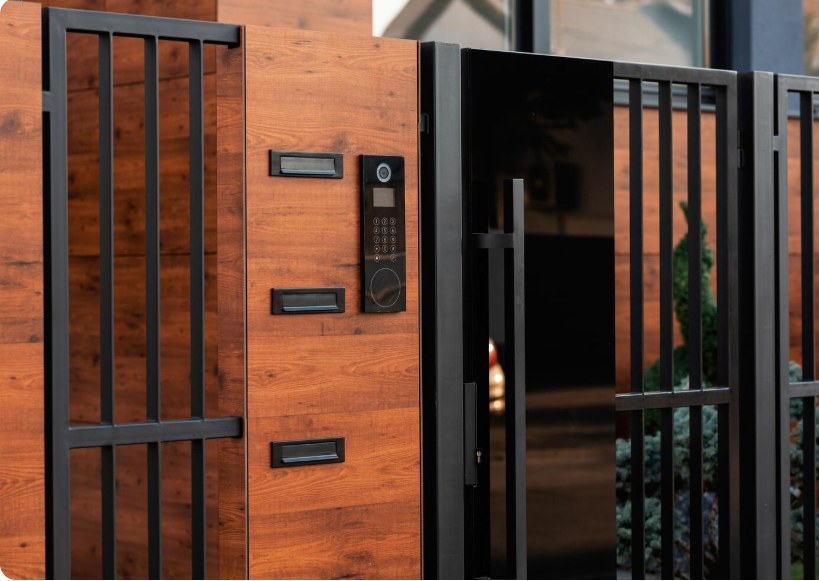
Smart locks allow users to control compatible door locks using keypads, mobile applications, or authorized digital credentials. Video doorbells can show visitors and send notifications when someone approaches the entrance.
These devices can be useful for households that want more convenient entry management. Installation should include checking door compatibility, testing manual access, and understanding what happens if the batteries or internet connection fail.
4. Smart Thermostat Installation
A smart thermostat can help manage indoor temperatures according to household schedules and preferences. Some models offer remote adjustments, occupancy-based settings, and energy-use reports.
Compatibility is essential. Before buying a thermostat, check your existing HVAC equipment, wiring, and system requirements. A qualified technician can help determine whether additional wiring or other adjustments are necessary.
5. Whole-Home Audio and Home Theater
Home entertainment upgrades can include television mounting, surround sound, distributed audio, and centralized control of compatible equipment.
A planned installation can reduce cable clutter and make it easier to manage multiple devices. Homeowners should consider speaker placement, room acoustics, network requirements, and future expansion before finalizing the design.
6. Smart Shades and Integrated Automation
Motorized shades can be scheduled to open or close at specific times, while compatible automation systems can coordinate shades with lighting and other devices.
For example, a morning routine might gradually open selected shades and turn on bedroom lighting. An evening routine could dim lights, close shades, and activate a security setting.
The available functions depend on the devices and automation platform selected.
Benefits of Professional Smart Home Installation
Professional installation can be particularly helpful when a project involves several devices, electrical changes, or integrations across different systems.
- Convenience: Control compatible devices from a central interface.
- Personalized automation: Build routines around your daily schedule.
- Improved monitoring: Receive supported alerts about security devices and sensors.
- Better device integration: Reduce compatibility problems through careful planning.
- More organized installation: Manage wiring, network equipment, and device placement.
- Future flexibility: Choose equipment that can accommodate planned upgrades.
Smart technology does not automatically guarantee lower energy bills or improved security. Results depend on device selection, configuration, usage habits, and maintenance.
How to Choose the Right Smart Home System
Different homes require different solutions. The best system is the one that meets your needs without introducing unnecessary complexity.
| Smart Home Feature | What to Evaluate | Best Planning Consideration |
|---|---|---|
| Smart lighting | Switches, dimmers, bulbs, and compatibility | Existing wiring and preferred controls |
| Security cameras | Resolution, night vision, storage, and alerts | Camera locations and privacy |
| Smart locks | Entry methods, backup access, and battery life | Door compatibility and household access |
| Smart thermostats | HVAC compatibility and scheduling | Existing heating and cooling equipment |
| Home entertainment | Audio quality, control options, and wiring | Room layout and future upgrades |
| Whole-home automation | Platform compatibility and supported routines | Integration requirements and expansion |
Before selecting equipment, make a list of the tasks you want to automate. This helps installers recommend an appropriate system rather than a collection of disconnected products.
Why Hire a Local Smart Home Installer in Montgomery County?
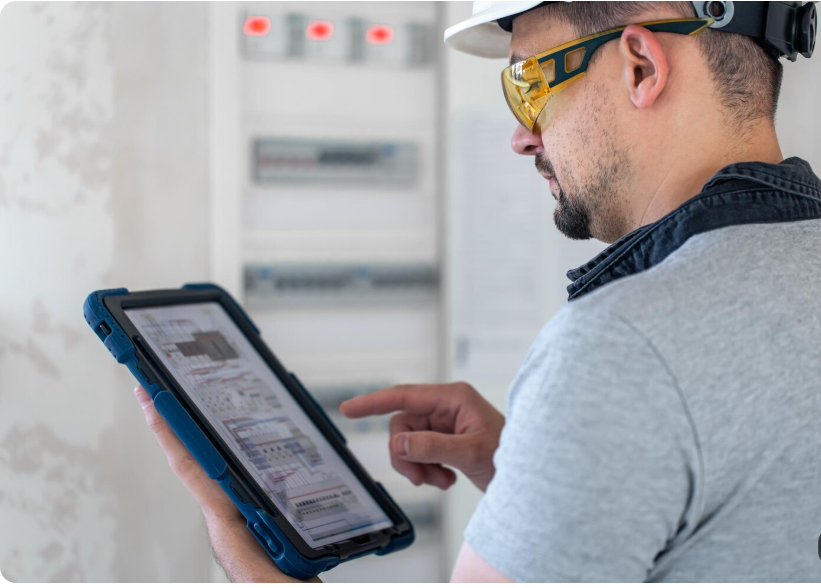
A local professional may be familiar with the area’s housing styles, common renovation needs, and relevant installation requirements. However, experience, qualifications, and service coverage should always be verified.
When comparing installers, look for:
- Experience with the specific devices or automation platform you want.
- Clear written estimates and project descriptions.
- Appropriate licensing for electrical or other regulated work.
- References, portfolio examples, and credible customer reviews.
- Support for configuration, troubleshooting, and future upgrades.
- A clear explanation of warranties and ongoing service fees.
Montgomery County, Maryland, has residential permitting and inspection requirements for certain building, electrical, mechanical, and related work. Ask your installer whether the planned project requires permits or inspections, and confirm requirements with the county where necessary. <Cite refs={[“turn331832search3″,”turn331832search8”]}/>
The Smart Home Installation Process
Step 1: Initial Consultation
Discuss your priorities, budget, household routines, and the devices you already own. Identify which tasks you want to simplify and whether you prefer app-based controls, voice commands, or a dedicated control panel.
Step 2: Home and Network Assessment
The installer evaluates device locations, wireless coverage, existing wiring, and equipment compatibility. Larger properties may require additional access points or a more carefully designed network.
Step 3: System Design and Estimate
Review the recommended equipment, installation work, integration options, and total estimated cost. Ask which devices are included and whether subscriptions or future service fees apply.
Step 4: Installation and Configuration
Equipment is installed and connected according to manufacturer instructions and applicable requirements. The installer configures compatible applications, access permissions, and automation routines.
Step 5: Testing and Homeowner Training
Test each device and routine before the project is considered complete. Ask for a demonstration of basic controls, troubleshooting steps, account security, and backup access methods.
How Much Does Smart Home Installation Cost?
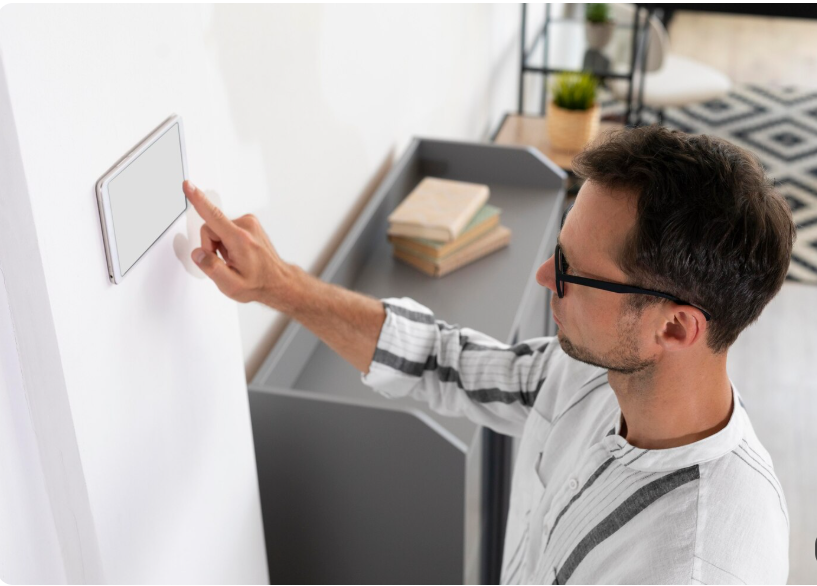
The cost depends on the number of devices, equipment quality, wiring needs, property size, and complexity of integration. Installing one smart thermostat or doorbell generally involves less work than designing a whole-home automation system.
For a useful estimate, request a breakdown of equipment, labor, wiring, network upgrades, configuration, and any recurring subscription fees. Comparing written estimates with the same project requirements makes it easier to evaluate value rather than price alone.
Conclusion
Smart home installation in Montgomery County can help homeowners create a more convenient, connected, and personalized living environment. From smart lighting and thermostats to cameras, locks, motorized shades, and home entertainment, the right combination of technology can simplify everyday tasks.
Start by identifying your priorities, checking device compatibility, and evaluating your home’s network and electrical requirements. Choose a qualified installer who provides clear pricing, careful setup, and practical guidance.
A well-planned smart home should make life easier—not more complicated. With the right design and ongoing maintenance, connected technology can become a useful part of your everyday routine.
Frequently Asked Questions (FAQs)
What does smart home installation include?
It may include installing and configuring smart lighting, thermostats, locks, cameras, shades, entertainment equipment, and automation systems. The exact scope depends on the provider and your project.
Can I install smart home devices in an older house?
Yes, many smart devices can be added to existing homes. However, compatibility, wiring, wireless coverage, and the condition of existing electrical systems should be checked before installation.
Do smart home devices require Wi-Fi?
Many devices use Wi-Fi, but some communicate through other wireless protocols or a dedicated hub. Requirements vary by product, and remote access may require an internet connection.
How long does smart home installation take?
Installing a single device may take a relatively short appointment, while a whole-home system can require considerably more time. The schedule depends on the number of devices, wiring needs, and complexity of configuration.
How do I choose a smart home installer in Montgomery County?
Compare relevant experience, qualifications, customer feedback, written estimates, compatibility expertise, and after-installation support. Confirm any applicable permits and inspections before work begins.
| Read more: EVP Flooring: Benefits, Types, |