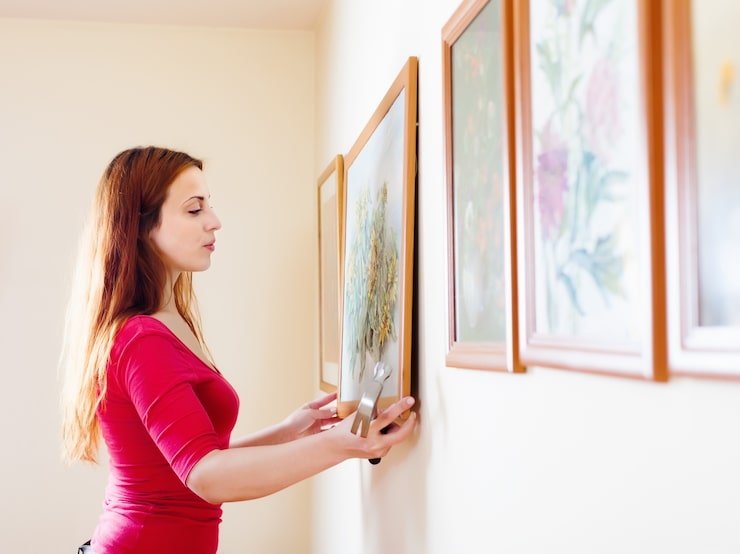
Choosing the right artwork can completely change the atmosphere of a room, especially when a large open wall needs a strong visual focal point. Large horizontal wall art can help fill wide spaces, create balance above furniture, and introduce color, texture, or personality without making a room feel cluttered. From living rooms and bedrooms to dining areas and offices, the right artwork can connect different elements of an interior while creating a polished and intentional appearance.
Why Large Artwork Works So Well
Large artwork has the ability to establish a focal point quickly. Instead of filling a wall with numerous small pieces, one substantial artwork can create visual impact while maintaining a clean appearance.
Horizontal compositions are particularly useful on wide walls because their proportions naturally complement long furniture such as sofas, sideboards, dining tables, and beds.
The goal is not simply to choose the biggest piece available. The artwork should be appropriately scaled to the wall and surrounding furniture.
Understanding Proportion and Scale
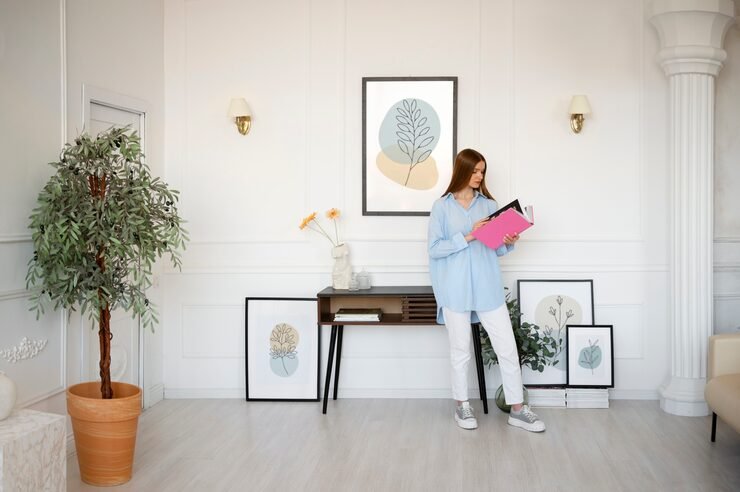
Scale is one of the most important considerations when selecting wall décor.
Artwork that is too small can look disconnected from the furniture beneath it. Artwork that is too large can overwhelm the room.
A useful approach is to consider the width of the furniture below the artwork. In many interior arrangements, the artwork looks balanced when it occupies a substantial portion of the furniture’s width without extending dramatically beyond it.
Above a Sofa
A wide artwork arrangement can work particularly well above a sofa. The horizontal orientation follows the sofa’s shape and creates visual continuity.
Above a Bed
A horizontal piece can also provide a strong focal point above a headboard. Choose a size that complements the bed without dominating the entire wall.
Above a Console
Entryways and hallways can benefit from a wide artwork piece positioned above a console table. This creates an organized visual relationship between the furniture and wall.
Choosing the Right Style
Artwork should complement the existing interior rather than competing with every other decorative element.
Popular styles include:
- Abstract art
- Landscape artwork
- Botanical designs
- Minimalist compositions
- Photography
- Geometric artwork
- Contemporary prints
- Traditional paintings
- Textured artwork
- Coastal-inspired designs
The best choice depends on the atmosphere you want to create.
Matching Artwork With Interior Design
Modern Interiors
Modern rooms often benefit from clean lines, abstract compositions, restrained palettes, and simple frames.
Traditional Interiors
Traditional spaces can work well with landscapes, classic artwork, portraits, decorative patterns, and more detailed frames.
Minimalist Interiors
A simple composition with plenty of negative space can reinforce a minimalist aesthetic.
Bohemian Interiors
Layered colors, organic patterns, textured artwork, and natural materials can complement a relaxed bohemian room.
Coastal Interiors
Ocean-inspired photography, soft landscapes, neutral tones, and blue-green palettes can create a relaxed coastal atmosphere.
Choosing the Right Colors
Color is one of the easiest ways to connect artwork with an existing room.
You do not necessarily need artwork that exactly matches the furniture. Instead, look for colors that relate to existing elements.
For example, artwork might repeat a subtle color found in cushions, curtains, rugs, or decorative objects.
| Room Style | Suitable Artwork Colors |
|---|---|
| Neutral modern | Black, white, gray, beige |
| Warm contemporary | Terracotta, cream, brown |
| Coastal | Blue, green, white, sand |
| Minimalist | Neutral and muted tones |
| Bohemian | Earth tones and richer accents |
| Traditional | Deep blues, greens, reds, gold tones |
Using one or two recurring colors can create cohesion without making the room look overly coordinated.
Selecting the Right Frame
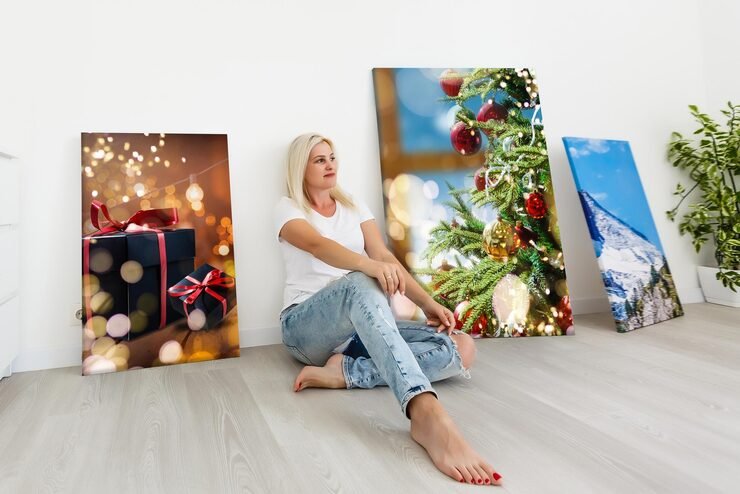
The frame can influence the overall appearance almost as much as the artwork itself.
A thin black frame can create a contemporary look, while natural wood can introduce warmth.
For a more traditional room, a decorative frame may be appropriate. Frameless or gallery-style presentation can work well in minimalist spaces.
Consider the other finishes in the room, including furniture hardware, lighting fixtures, flooring, and shelving.
Canvas, Prints, and Other Materials
Artwork is available in many formats, each with its own visual characteristics.
Canvas
Canvas can provide a textured, gallery-like appearance. It is particularly popular for paintings and abstract artwork.
Framed Prints
Framed prints offer flexibility because the frame can be changed or coordinated with other décor.
Metal Artwork
Metal pieces can provide a contemporary or industrial appearance and often work well with modern interiors.
Wood Artwork
Wood adds warmth and natural texture. It can complement rustic, farmhouse, Scandinavian, and organic interiors.
Photography
Large photographic prints can create a sophisticated focal point while allowing homeowners to introduce landscapes, architecture, travel imagery, or abstract photography.
Where to Hang Large Artwork
The location of artwork matters just as much as the artwork itself.
Common locations include:
- Above a sofa
- Above a bed
- Above a dining table
- Above a console
- In an entryway
- Along a hallway
- Above a fireplace
- Behind a desk
- In a home office
The artwork should generally relate visually to the furniture or architectural feature beneath it.
Getting the Hanging Height Right
Hanging artwork too high is one of the most common decorating mistakes.
Artwork should generally feel connected to the furniture below it rather than floating near the ceiling.
When placing a piece above furniture, leave a reasonable amount of space between the furniture and the bottom of the frame.
For rooms without furniture underneath, eye-level placement is usually a useful starting point.
The exact height can be adjusted according to ceiling height, artwork dimensions, and the viewing position.
Creating a Gallery Effect With One Piece
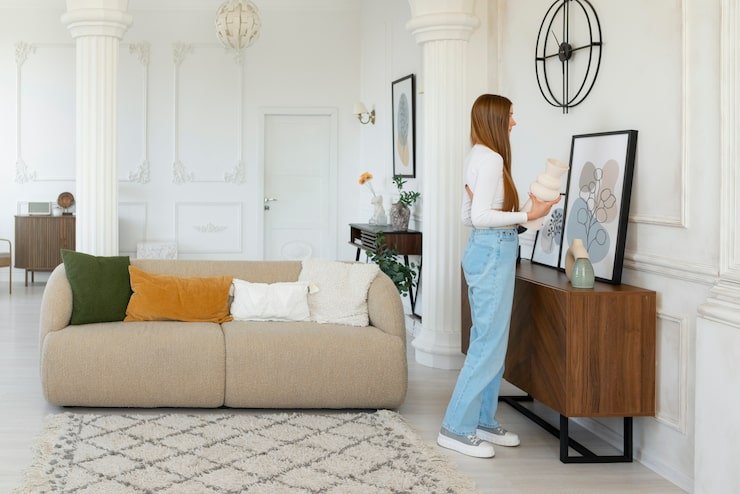
A single oversized piece can create the visual impact of a gallery without requiring multiple frames.
This approach is especially useful in minimalist interiors where too many decorative objects may make the room feel busy.
Choose artwork with enough visual interest to hold attention from a distance.
Abstract compositions, large landscapes, and bold photography can work particularly well.
Using Multiple Pieces
Although one large artwork can be effective, multiple pieces can also be arranged horizontally.
For example, two or three coordinated prints can form a balanced arrangement across a wide wall.
The key is consistency. Similar frames, colors, themes, or proportions can make separate pieces appear intentionally connected.
| Arrangement | Best For | Visual Effect |
|---|---|---|
| One large piece | Wide furniture | Strong focal point |
| Two matching pieces | Sofas and consoles | Balanced and symmetrical |
| Three-panel artwork | Large empty walls | Continuous composition |
| Gallery arrangement | Eclectic interiors | Layered and creative |
| Panoramic photography | Wide walls | Expansive appearance |
Artwork for Small Rooms
Large artwork can still work in a smaller room, provided the piece is carefully selected.
A large horizontal design can actually make a narrow wall feel more intentional. However, avoid combining it with too many other large decorative objects.
Light colors and simple compositions can help maintain a sense of openness.
Artwork for Large Rooms
Large rooms often require substantial decorative elements to avoid appearing empty.
A wide artwork piece can provide scale and create a visual anchor.
In a large living room, consider placing it above the main sofa or another substantial furniture piece. In a dining room, a wide composition can complement the length of the dining table.
Lighting Your Artwork
Good lighting can enhance the appearance of wall décor.
Natural light can reveal color and texture during the day, while adjustable artificial lighting can highlight artwork after dark.
Picture lights, wall-mounted fixtures, track lighting, and strategically positioned ceiling lights can all be used depending on the room.
Avoid lighting that creates excessive glare, particularly on glass-covered artwork.
How to Choose Artwork for Different Rooms
Living Room
Choose artwork that supports the room’s main color palette and complements the sofa, rug, and other large furnishings.
Bedroom
Soft landscapes, abstract compositions, botanical imagery, and muted colors can create a relaxing atmosphere.
Dining Room
Bolder artwork can add energy and personality. Food-inspired artwork, abstract designs, or dramatic photography can work well.
Home Office
Choose artwork that helps establish a professional but comfortable environment. Minimalist compositions, photography, and subtle abstract pieces are versatile choices.
Entryway
A striking piece can immediately establish the style of the home. Select artwork that makes an impression without obstructing movement.
Common Mistakes to Avoid
Choosing Artwork Based Only on Size
A large piece should still complement the room’s colors, style, and furniture.
Hanging It Too High
Artwork that sits too close to the ceiling can appear disconnected from the room.
Ignoring the Frame
The frame is part of the overall design and should complement the interior.
Using Too Many Competing Colors
Artwork does not need to match everything, but too many unrelated colors can create visual confusion.
Forgetting Lighting
Poor lighting can make even beautiful artwork appear dull or difficult to appreciate.
How to Create a Cohesive Look
A successful interior does not require every item to match. Instead, create relationships between colors, materials, shapes, and proportions.
For example, natural wood framing can be repeated through wooden furniture, while a color from the artwork can appear subtly in cushions or a rug.
This creates continuity without making the room feel overly planned.
Key Points to Remember
- Choose artwork according to the size of the wall and furniture.
- Horizontal designs work especially well above wide furniture.
- Consider color relationships rather than exact color matching.
- Select a frame that complements the interior style.
- Hang artwork at an appropriate visual height.
- Use lighting to highlight important details.
- One substantial piece can create a powerful focal point.
- Multiple pieces should have a clear visual relationship.
- Avoid overwhelming smaller rooms with too many large elements.
- Consider the room’s purpose before selecting artwork.
Final Thoughts
The right artwork can transform an empty wall into one of the most attractive features of a room. A carefully selected horizontal composition can provide balance, establish a focal point, and connect furniture with the surrounding architecture.
Successful decorating depends on more than choosing an attractive image. Scale, color, framing, placement, lighting, and room style all influence the final result. By considering these elements together, you can create a wall arrangement that feels intentional rather than simply filling an empty space.
Whether your interior is modern, traditional, minimalist, coastal, or eclectic, thoughtfully selected artwork can add personality and make the entire room feel more complete.
Frequently Asked Questions
1. How large should wall artwork be above a sofa?
The artwork should generally be proportional to the sofa and wall. A piece that occupies a substantial portion of the sofa’s width often creates a balanced appearance without extending excessively beyond the furniture.
2. How high should artwork be hung?
Artwork should generally be positioned at a comfortable viewing height and should visually connect with nearby furniture. When placed above furniture, avoid leaving an excessively large gap between the furniture and frame.
3. Can large artwork work in a small room?
Yes. A carefully chosen large piece can create a strong focal point in a small room. Simple compositions and restrained colors can help prevent the space from feeling crowded.
4. Should artwork match the furniture?
It does not need to match exactly. Instead, choose colors, materials, or themes that complement existing furniture and décor.
5. What type of artwork works best on a wide wall?
Panoramic photography, landscape scenes, abstract compositions, multi-panel designs, and other horizontally oriented artwork can work particularly well on wide walls.
| Read more: Patio Covers Near Me: |
One thought on “How to Choose and Style Large horizontal wall art for Any Room”