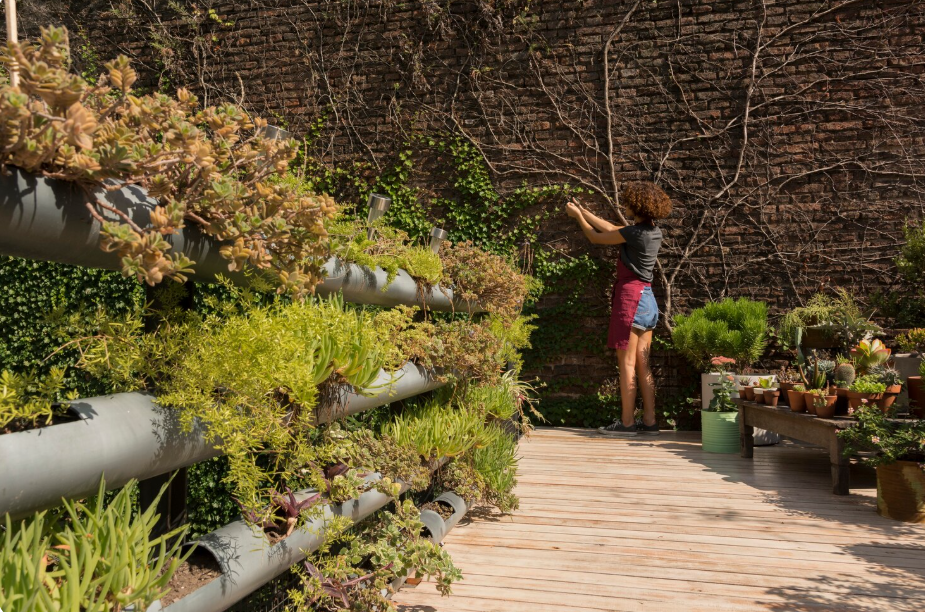
A backyard with a downward slope can sometimes feel difficult to use, but the right landscaping design can turn that challenge into a major feature of your property. Instead of trying to make every part of the yard completely flat, you can work with the natural elevation to create terraces, gardens, seating areas, pathways, decks, and beautiful outdoor living zones.
The best down sloped backyard ideas combine appearance with practical considerations such as drainage, erosion control, accessibility, and maintenance. A sloped landscape can naturally create different levels and perspectives, making the backyard feel more interesting than a completely flat space. (Martha Stewart)
Whether your backyard has a gentle incline or a much steeper drop, there are plenty of ways to make the area attractive, functional, and easier to maintain.
Why Design a Down-Sloped Backyard?
A sloped backyard can provide opportunities that are difficult to achieve on flat land. Changes in elevation can naturally divide the property into different zones for gardening, relaxing, entertaining, or recreation.
However, slopes also require careful planning because rainwater can move downhill quickly, carrying soil and mulch with it. Drainage and erosion control should therefore be considered before major landscaping work begins. (Southern Living)
Benefits of a Well-Designed Sloped Backyard
- Creates natural levels and visual interest.
- Can provide attractive views from the house.
- Allows multiple outdoor living zones.
- Makes terraced gardens possible.
- Can improve the usability of difficult areas.
- Provides opportunities for creative pathways and stairs.
- Can create natural privacy between different areas.
- Offers unique possibilities for decks and entertaining spaces.
Create Beautiful Terraced Garden Beds
Terracing is one of the most popular solutions for a sloped backyard. Instead of having one continuous incline, the landscape is divided into several smaller, level planting areas.
Each terrace can contain flowers, shrubs, vegetables, herbs, or ornamental plants. Low retaining walls can separate the levels and give the garden a structured appearance.
Terraced planting can also help slow water movement and make a steep landscape easier to manage. (Martha Stewart)
Ideas for Terraced Gardens
You can create different themes on each level:
- Upper terrace for flowering plants
- Middle terrace for herbs and vegetables
- Lower terrace for shrubs
- A dedicated seating level
- A small lawn area
- A children’s garden
- A decorative rock garden
Using different plants at each level creates depth and makes the slope feel intentionally designed.
Add Retaining Walls for Structure
Retaining walls can transform a difficult slope into a series of usable spaces. They can be constructed from materials such as natural stone, brick, timber, concrete blocks, or other landscape materials.
Instead of one enormous wall, several smaller staggered walls can sometimes create a softer and more attractive appearance. The appropriate design depends on the slope, soil, drainage, and structural requirements. (Martha Stewart)
| Retaining Wall Material | Appearance | Best Use |
|---|---|---|
| Natural Stone | Organic and traditional | Garden terraces |
| Timber | Warm and casual | Smaller landscape projects |
| Brick | Classic and structured | Traditional yards |
| Concrete Block | Clean and versatile | Functional terraces |
| Poured Concrete | Modern | Contemporary landscapes |
For significant slopes or structural retaining walls, professional design and local requirements should be considered before construction.
Build a Multi-Level Deck

A deck can be an excellent way to take advantage of a backyard that falls away from the house.
Rather than attempting to level the entire yard, a deck can follow the natural change in elevation. Different sections can be designed for different purposes, such as dining, lounging, grilling, or enjoying the view.
Multi-Level Deck Ideas
A simple layout might include:
Upper Level: Outdoor dining area directly outside the house.
Middle Level: Comfortable seating with a coffee table.
Lower Level: Fire pit, garden, or relaxation zone.
This approach makes the slope part of the design instead of something that needs to be hidden. Decks are also frequently recommended for creating usable outdoor space on sloping properties. (Martha Stewart)
Install a Winding Garden Path
A straight staircase may not always be the most attractive solution for a sloped backyard. A winding pathway can create a more natural transition between different levels.
Consider using:
- Stone stepping paths
- Brick walkways
- Gravel paths
- Timber steps
- Flagstone
- Concrete pavers
A winding path can also encourage people to explore different parts of the garden.
For steeper areas, steps, landings, appropriate drainage, and safe walking surfaces become especially important.
Design a Rock Garden
Rock gardens work particularly well on sloped properties because stones can become part of the natural structure of the landscape.
Large rocks can be positioned strategically among drought-tolerant plants, ornamental grasses, shrubs, and groundcovers. The result can look natural while reducing the amount of lawn that needs regular mowing.
Rock landscaping can also help manage water movement when properly designed. Landscaping guidance from the Jaipur Development Authority, for example, notes that rock gardens can be used on hills to help hold the slope and redirect water. (JDA Rajasthan)
Use Groundcovers and Deep-Rooted Plants
Grass is not always the easiest choice for a steep backyard. Mowing a slope can be inconvenient and potentially unsafe, while bare soil may be vulnerable to erosion.
Groundcovers, shrubs, ornamental grasses, and other plants suited to the local environment can provide a more practical alternative.
Deep-rooted plants can help stabilize soil, while spreading groundcovers can fill spaces between larger plants. (Martha Stewart)
Good Planting Strategy
Rather than planting everything randomly, use layers:
- Tall shrubs and small trees toward the back
- Medium-height plants in the middle
- Groundcovers toward the front
- Decorative grasses between planting groups
- Seasonal flowers for additional color
Always choose species according to your climate, soil, sunlight, and water availability.
Create Multiple Outdoor Living Zones
One of the most creative down sloped backyard ideas is to divide the yard into different outdoor rooms.
Instead of treating the backyard as one large space, each level can serve a specific purpose.
| Backyard Zone | Possible Features |
|---|---|
| Dining Zone | Table, chairs, outdoor lighting |
| Lounge Zone | Sofa, chairs, coffee table |
| Garden Zone | Raised beds, flowers, herbs |
| Recreation Zone | Lawn, play equipment |
| Fire Pit Zone | Seating and fire feature |
| Quiet Zone | Bench, plants, privacy screen |
This approach works especially well on larger properties where the slope naturally separates different areas.
Add a Fire Pit at a Lower Level
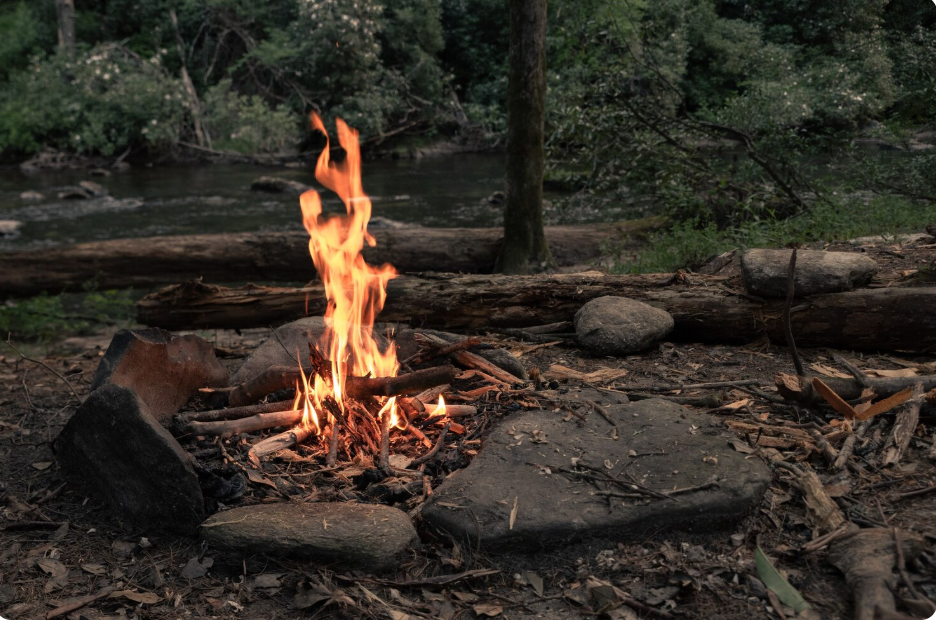
A fire pit can become a focal point in a sloped backyard. A lower terrace can create a cozy gathering space surrounded by seating.
You can build a circular seating area using stone, pavers, or another suitable outdoor material. Landscape lighting around the area can make it more inviting after sunset.
Safety should always be considered when placing fire features, particularly in relation to structures, vegetation, wind, and local regulations.
Create a Backyard Playground
Sloped yards can provide interesting opportunities for children’s play areas. Changes in elevation can be incorporated into slides, climbing structures, paths, or natural play spaces.
For example, a slide can follow part of the slope, while a flatter terrace can provide a safe landing and play area.
The key is to design the area around safety rather than simply placing playground equipment on an incline.
Improve Drainage Before Landscaping
Drainage is one of the most important considerations for a down-sloped yard. Water naturally moves toward the lower part of the property, and uncontrolled runoff can contribute to erosion, muddy areas, or drainage problems.
Possible landscape drainage approaches can include:
- French drains
- Swales
- Gravel drainage areas
- Dry creek beds
- Properly graded planting beds
- Rain gardens
- Drainage channels
The right solution depends on where water originates, how quickly it moves, the soil conditions, and where the water can safely go. (Southern Living)
Add a Dry Creek Bed
A dry creek bed can turn a drainage feature into an attractive landscape element.
Use different sizes of stones and gravel to create the appearance of a natural stream. Add plants along the edges to soften the hardscape.
During rainfall, a properly designed drainage feature can help guide water through the landscape. During dry periods, it becomes a decorative garden feature.
Create a Small Outdoor Seating Terrace
If your backyard is too steep for a traditional patio, consider creating a small level terrace.
This can become a peaceful spot for:
- Morning coffee
- Reading
- Outdoor dining
- Evening conversations
- Watching the garden
- Enjoying the view
A compact terrace does not need to be enormous. Even a small level area with two chairs and a table can make an otherwise difficult part of the backyard useful.
Use Stairs as a Design Feature
Stairs do not have to look purely functional. They can become one of the most attractive features of a sloped garden.
Wide stone steps surrounded by plants can create a dramatic entrance. Timber steps can give a garden a rustic appearance, while clean concrete or large-format pavers can complement a modern landscape.
Add lighting along the pathway to improve visibility after dark.
Add a Water Feature
A slope naturally lends itself to flowing-water designs. A small cascading water feature can move downward through different levels of the garden.
For example, water could flow from an upper stone feature into a lower basin surrounded by plants.
A water feature can add sound, movement, and visual interest, but it should be designed carefully so that it does not create unwanted erosion or drainage problems.
Create a Low-Maintenance Sloped Backyard
If you do not want to spend every weekend maintaining your yard, focus on low-maintenance landscaping.
Reduce large areas of grass and use a combination of shrubs, groundcovers, gravel, rocks, and suitable perennial plants.
Low-Maintenance Ideas
- Replace difficult-to-mow areas with groundcovers.
- Use mulch where appropriate.
- Group plants according to water requirements.
- Choose plants suited to local conditions.
- Add pathways for easier access.
- Use durable landscape materials.
- Install efficient irrigation where needed.
- Keep drainage channels clear.
A thoughtful planting strategy can make the backyard easier to maintain while still giving it a lush appearance.
Add Privacy With Layered Landscaping
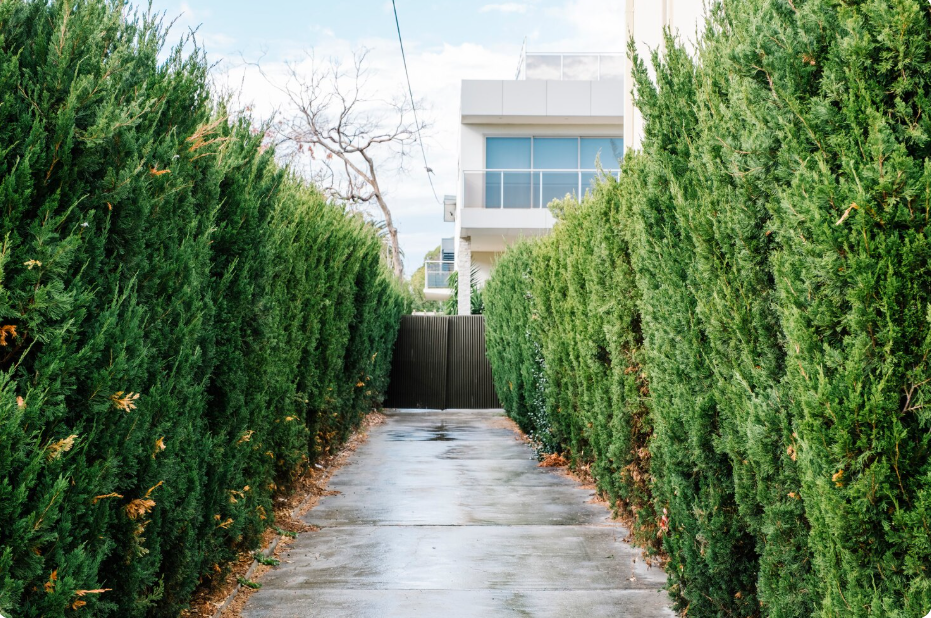
A downward-sloping backyard can sometimes provide excellent opportunities for privacy.
Planting trees, shrubs, and taller ornamental grasses in strategic locations can create natural screening. Fences and privacy panels can also be combined with plants for a softer appearance.
Instead of building a solid barrier everywhere, consider using several layers of vegetation to create a more natural backyard environment.
Try a Budget-Friendly Sloped Backyard Makeover
You do not always need to completely rebuild a sloped yard. Smaller improvements can make a significant difference.
Start with the areas that create the biggest practical problems.
Budget-Friendly Improvements
- Add mulch to bare soil.
- Create a simple gravel path.
- Plant erosion-resistant groundcovers.
- Build small garden terraces.
- Add inexpensive stepping stones.
- Reuse existing stones where appropriate.
- Create a simple seating area.
- Add solar landscape lighting.
- Focus on one section at a time.
Working in stages allows you to improve the backyard without completing every feature at once.
How to Plan Your Sloped Backyard Design
Before purchasing materials or beginning major excavation, spend time observing the yard.
Watch how water moves after rainfall. Identify areas where soil collects or washes away. Notice which parts receive full sun and which remain shaded.
A recent landscaping guide similarly recommends observing water flow, soil movement, and the natural behavior of the slope before choosing a design. (Leafy Pixels)
Simple Planning Checklist
- Measure the backyard.
- Determine the approximate slope.
- Identify drainage patterns.
- Mark existing trees and structures.
- Decide how you want to use each section.
- Choose between terraces, planting, decks, or pathways.
- Select suitable materials and plants.
- Plan drainage and erosion control.
- Consider lighting and accessibility.
- Get professional advice for major structural work.
Common Mistakes to Avoid
A beautiful design can still create problems if the practical side of the slope is ignored.
Avoid these common mistakes:
- Trying to flatten the entire yard unnecessarily.
- Ignoring drainage.
- Using plants that cannot handle the conditions.
- Creating slippery pathways.
- Building retaining walls without proper planning.
- Installing furniture on unstable areas.
- Planting shallow-rooted vegetation everywhere.
- Blocking natural water routes.
- Making stairs too steep or difficult to navigate.
- Focusing only on appearance rather than long-term maintenance.
The best design balances beauty, safety, drainage, stability, and everyday usability.
Final Thoughts
A sloped backyard does not have to be an unusable part of your property. With thoughtful planning, the elevation can become the foundation for a beautiful and functional landscape.
The best down sloped backyard ideas include terraced gardens, retaining walls, multi-level decks, winding pathways, rock gardens, outdoor seating areas, fire-pit zones, and carefully selected plants. Instead of fighting the slope, work with it.
Start by understanding how water moves through the property and how you want to use the space. Then select landscaping features that improve both appearance and functionality. For major grading, retaining walls, drainage changes, or steep slopes, professional landscape or structural advice can help ensure the project is safe and appropriate for the site.
With the right combination of plants, hardscaping, drainage, and outdoor living features, even a challenging hillside can become one of the most attractive parts of your home.
FAQs About Down Sloped Backyard Ideas
What are the best down sloped backyard ideas?
Some of the most useful ideas include terraced gardens, retaining walls, multi-level decks, winding pathways, rock gardens, outdoor seating terraces, groundcovers, and multiple outdoor living zones.
How can I make a sloped backyard more usable?
You can create level areas using terraces, retaining walls, decks, or patios. Adding safe pathways and stairs can also make different sections of the backyard easier to access.
How do I prevent erosion in a sloped backyard?
Erosion can be addressed through suitable planting, groundcovers, terracing, retaining structures, mulch, and properly designed drainage. The appropriate combination depends on the severity and characteristics of the slope.
Can I build a deck on a sloped backyard?
Yes, a deck can be an effective way to create usable outdoor space on a slope. Multi-level decks can follow the natural elevation and provide separate areas for dining, relaxing, and entertaining.
What is the best low-maintenance solution for a sloped yard?
A combination of suitable groundcovers, shrubs, ornamental grasses, mulch, rocks, and carefully designed pathways can reduce maintenance. Plants should be selected according to the local climate, soil, sunlight, and water conditions.
Read more: Neutral Throw Pillows: Beautiful
One thought on “Down Sloped Backyard Ideas: Creative Ways to Transform a Challenging Yard Into a Beautiful Outdoor Space”