
Introduction
Care, kindness, and compassion can make a meaningful difference in someone’s life. Whether an individual needs help with everyday activities, an older adult requires additional support, or a family is looking for dependable assistance for a loved one, compassionate care can provide comfort and peace of mind. Loving Hands represents the idea of offering support with patience, respect, dignity, and genuine understanding.
Good care is about more than completing daily tasks. It is about building trust, respecting individual needs, and helping people feel safe, valued, and supported. From practical household assistance to companionship and personal care, a caring approach can improve everyday experiences for individuals and their families.
What Does Loving Hands Mean?
The phrase describes a caring, supportive approach to helping others. It can represent a home care service, a community support organization, a charitable initiative, or a business dedicated to helping people through difficult or demanding situations.
The central idea is simple: every person deserves to be treated with dignity and kindness.
A compassionate care approach may focus on:
- Providing respectful assistance with daily routines.
- Offering companionship and emotional support.
- Helping individuals maintain independence.
- Supporting families who have caregiving responsibilities.
- Creating a comfortable and reassuring environment.
- Listening carefully to personal preferences and concerns.
When these values guide a care service, support becomes more personal and meaningful.
Why Compassionate Care Matters
Every individual has different needs. Some people need occasional assistance with household tasks, while others benefit from regular personal support or companionship. A compassionate approach recognizes these differences rather than treating every person the same way.
1. Promotes Comfort and Confidence
Receiving help from someone who is patient and respectful can make daily activities feel less stressful. People may feel more confident asking for assistance when they know their preferences and concerns will be taken seriously.
2. Supports Independence

Quality care should encourage individuals to participate in activities they can safely manage. Rather than taking over every task, a caregiver can provide the appropriate level of help while respecting the person’s abilities and choices.
3. Provides Peace of Mind for Families
Family members may find it challenging to balance work, household responsibilities, and caregiving. Reliable support can help reduce pressure and allow families to focus on spending meaningful time together.
4. Encourages Social Connection
Companionship, conversation, and shared activities can help people feel connected. Simple activities such as reading, preparing a meal together, or taking a walk when appropriate can make everyday life more enjoyable.
Services That a Loving Hands Care Provider May Offer
The services available depend on the organization, its qualifications, and the needs of the people it supports. A care provider may offer some of the following options.
Personal Care Assistance
Personal care may include help with dressing, grooming, bathing, and other everyday routines. Assistance should always be delivered respectfully, with attention to privacy and personal preferences.
Companionship Services
Companionship focuses on social interaction and emotional well-being. It may involve conversation, games, reading, light activities, or accompanying someone on suitable outings.
Household Assistance
Some people need help keeping their living spaces organized and comfortable. Depending on the provider, household assistance may include light cleaning, laundry, meal preparation, and basic everyday errands.
Support for Older Adults
Older adults may benefit from assistance with daily routines while remaining in familiar surroundings. The right support plan should reflect their abilities, lifestyle, safety requirements, and preferences.
Family and Respite Support
Families caring for a loved one may need temporary assistance or scheduled breaks. Where offered, respite support can give family caregivers time to rest, manage responsibilities, and maintain their own well-being.
Not every provider offers every service. Families should confirm the available options, staff qualifications, scheduling arrangements, and any limitations before choosing a care organization.
How to Choose the Right Care Service
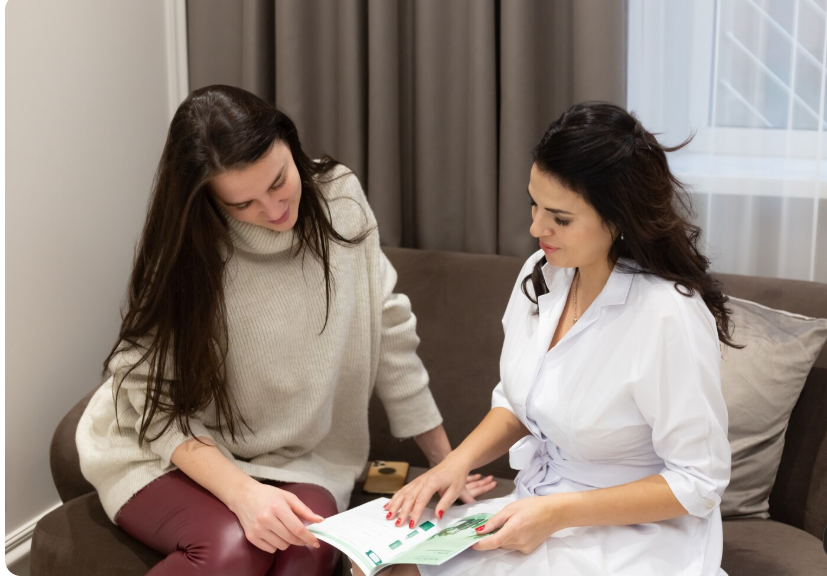
Selecting a care provider is an important decision. Families should look beyond advertising and consider the provider’s experience, reliability, communication, and approach to individual needs.
| Factor to Consider | What to Look For |
|---|---|
| Experience and training | Staff with relevant experience and appropriate qualifications |
| Personalized support | A plan that reflects individual preferences and needs |
| Communication | Clear updates and an accessible point of contact |
| Reliability | Consistent scheduling and a process for handling absences |
| Safety | Appropriate screening, safeguarding practices, and emergency procedures |
| Costs and services | Transparent fees, clear service details, and written terms |
Before making a decision, arrange a conversation with the provider. Explain the type of help required and ask how the service would meet those needs.
Qualities That Make a Caregiver Truly Compassionate
A good caregiver needs more than technical ability. Personal qualities can shape the quality of the relationship and the experience of receiving support.
Patience and Understanding
Daily activities may take more time for some individuals. A patient caregiver avoids unnecessary pressure and offers help at a comfortable pace.
Respect and Empathy
Every person has different values, preferences, and boundaries. Respectful care involves listening without judgment and treating each individual as a person with their own identity and choices.
Reliability and Responsibility
Consistency helps build trust. Caregivers should arrive as agreed, follow the care plan, communicate changes, and understand when a situation requires additional assistance.
Clear Communication
Good communication helps prevent misunderstandings. Caregivers should explain tasks clearly, listen to concerns, and share relevant updates with authorized family members in accordance with privacy requirements.
Benefits of Choosing a Personalized Care Approach
Personalized care recognizes that no two people have exactly the same needs. A thoughtful support plan can help individuals maintain routines and receive assistance that fits their circumstances.
Key benefits may include:
- Greater comfort: Support is provided in a familiar and respectful manner.
- More independence: Individuals are encouraged to participate in daily activities where possible.
- Better communication: Families and caregivers understand expectations and responsibilities.
- Flexible assistance: Support can be adjusted as needs change, where the provider allows it.
- Stronger relationships: Consistent, respectful interactions help build trust.
The most suitable arrangement depends on the individual’s condition, preferences, budget, and the level of support required.
How to Get Started With Loving Hands Care

Beginning a care arrangement does not need to be complicated. A clear process helps families understand their options and make an informed decision.
- Identify the needs. List the daily activities or responsibilities where assistance would be useful.
- Discuss preferences. Consider preferred schedules, routines, communication methods, and personal boundaries.
- Contact a provider. Ask about services, availability, qualifications, and pricing.
- Review the care plan. Confirm what is included, who will provide the support, and how changes will be handled.
- Monitor the arrangement. Check whether the support remains appropriate and discuss concerns promptly.
For personal or medical needs, confirm that the provider has the qualifications and authorization required to deliver the relevant services. A general support service should not be assumed to provide professional medical care.
Conclusion
Loving Hands represents a simple but powerful principle: care should be delivered with kindness, respect, and genuine attention to individual needs. Whether support involves companionship, household assistance, personal care, or help for family caregivers, a compassionate approach can make everyday life more comfortable.
Choosing the right care provider requires thoughtful research, clear communication, and an understanding of the services available. By focusing on safety, reliability, dignity, and personalized support, families can make decisions that better reflect their loved one’s needs.
The best care is not only about helping someone complete daily tasks. It is about helping them feel heard, respected, and supported.
Frequently Asked Questions (FAQs)
What does Loving Hands mean?
Loving Hands generally describes compassionate care and support delivered with kindness, patience, and respect. It may also be the name of a specific care organization or business.
What services might a Loving Hands care provider offer?
Depending on the organization, services may include companionship, personal care, household assistance, support for older adults, and respite assistance for family caregivers.
How do I choose a reliable care provider?
Review staff qualifications, experience, safety practices, service options, communication procedures, scheduling, and pricing. Ask for clear written details before making a commitment.
Can care services help people remain independent?
Yes. Appropriate support can help people participate in daily routines and remain involved in decisions about their lives. The level of assistance should reflect their abilities and individual needs.
How can I find out whether Loving Hands is right for my family?
Contact the specific organization to confirm its services, availability, qualifications, and costs. Discuss your family’s needs and ask how the provider would develop and review a suitable support plan.
| Read more: Concrete Cellar Floor: Best |
One thought on “Loving Hands: Compassionate Care and Personal Support That Makes Everyday Life Better”