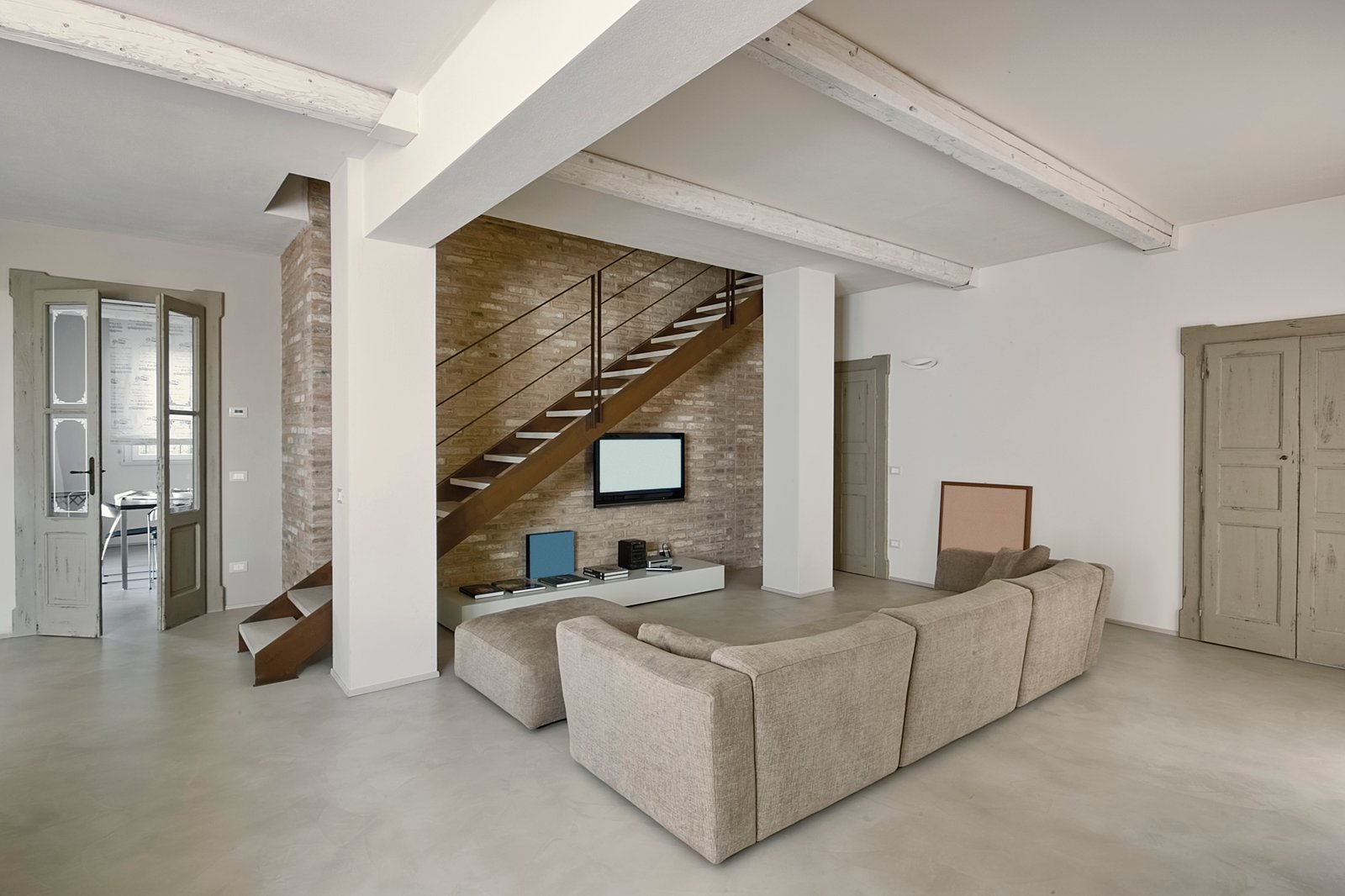
A concrete cellar floor is a practical and durable foundation for homes that have a basement, underground storage area, wine cellar, or utility space. Concrete is widely used in cellars because it provides a solid surface that can support heavy items and withstand regular use. However, an unfinished concrete floor can also present challenges, including moisture penetration, condensation, surface dust, and an unattractive appearance. Choosing the right finish and addressing these issues properly can make a cellar more comfortable, functional, and easier to maintain.
Whether you are renovating an old cellar or planning a new one, understanding how concrete floors perform is essential. The right approach depends on how the space will be used, the condition of the existing slab, the amount of moisture present, and the finish you want to achieve. A cellar used for storing tools may need a different floor treatment from one designed for wine storage, laundry, or additional living space.
This guide explains the benefits of a concrete cellar floor, common problems, moisture protection, finishing options, installation methods, maintenance requirements, and the factors to consider before beginning a renovation.
What Is a Concrete Cellar Floor?
A concrete cellar floor is a floor slab made from concrete that forms the base of an underground or partially underground room. It may be left unfinished, sealed, painted, polished, or covered with another suitable flooring material.
Concrete is made from a mixture of cement, water, and aggregates such as sand and gravel. Once placed and cured, it forms a hard surface capable of supporting substantial loads. Its strength and versatility make it a common choice for basements, cellars, storage rooms, and other below-ground spaces.
The performance of a concrete cellar floor depends on more than the concrete itself. Soil conditions, groundwater levels, drainage, the condition of the foundation, and the presence of an appropriate moisture-control system all influence how well the floor performs.
Older cellars may have concrete slabs installed without the moisture barriers or insulation used in many modern buildings. Some historic cellars may even have earthen or stone floors rather than concrete. Before changing an existing floor, it is important to understand how the building manages moisture and whether the proposed work could affect the structure.
A properly designed concrete cellar floor can provide a dependable surface for storage and everyday use. However, sealing or covering the concrete without addressing underlying moisture problems may lead to peeling coatings, trapped moisture, or damage to the new flooring.
Benefits of a Concrete Cellar Floor
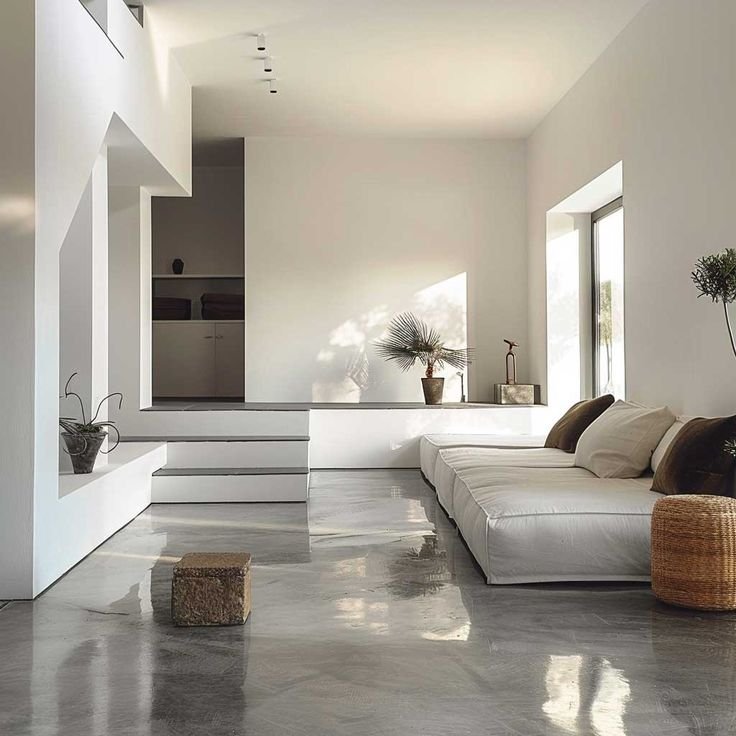
Concrete offers several advantages that make it suitable for cellar environments. Its suitability ultimately depends on the condition of the slab and the requirements of the space.
Durability: Concrete can withstand regular foot traffic, storage equipment, shelving, and many household activities. When correctly installed and maintained, it can provide a long-lasting flooring base.
Load-bearing capacity: A sound concrete slab can support heavy storage units, workbenches, and other substantial items within its design limits. Concentrated loads should still be assessed when installing particularly heavy equipment.
Low routine maintenance: Unfinished or properly sealed concrete is relatively easy to clean. Sweeping removes loose dust and dirt, while suitable damp cleaning can remove ordinary marks.
Design flexibility: Concrete can be left with a simple industrial appearance or upgraded with paint, coatings, stains, or polishing. This makes it suitable for both practical storage spaces and carefully designed interiors.
Compatibility with different finishes: Depending on moisture conditions and slab preparation, concrete can serve as a base for certain tiles, engineered flooring systems, or other approved floor coverings.
Resistance to pests: Concrete itself does not provide a food source for termites and many other pests. However, gaps, wall joints, penetrations, and surrounding building materials may still allow pest entry.
Although concrete is durable, it is not automatically waterproof. Its pores and cracks can allow moisture to move through the slab, and poorly managed groundwater may create damp conditions. Effective moisture management is therefore an important part of maintaining a concrete cellar floor.
Common Problems With Concrete Cellar Floors
Cellars are often exposed to different environmental conditions from rooms above ground. Their location below or partly below ground level can make moisture control particularly important.
One common problem is dampness. Groundwater, poor drainage, leaking pipes, or moisture moving through the concrete can leave the floor wet or discolored. Persistent dampness may damage stored belongings and affect coatings or flooring materials.
Another issue is efflorescence, a white or powdery deposit that can appear when moisture carries dissolved minerals through concrete and leaves them on the surface as it evaporates. Efflorescence does not always indicate a serious structural problem, but repeated deposits may point to ongoing moisture movement.
Surface dusting can occur when the concrete surface is weak, deteriorated, or improperly finished. Dust can settle on stored items and make the cellar difficult to keep clean. Suitable surface preparation and compatible treatments may help, depending on the cause.
Cracks are another consideration. Some are minor shrinkage cracks, while others may reflect movement, settlement, or structural problems. Changes in crack width, vertical displacement, or water entering through cracks deserve professional assessment.
Condensation can also occur when warm, humid air meets a cold concrete surface. This may create a damp appearance even when groundwater is not entering the cellar. Improving ventilation or controlling humidity may help, but the underlying cause should be identified before applying a floor coating.
Moisture Protection for a Concrete Cellar Floor
Moisture protection is one of the most important considerations when maintaining or renovating a cellar floor. A coating that looks attractive may fail quickly if water is entering through the slab or if moisture is trapped beneath the surface.
Begin by identifying where the moisture originates. Water entering after heavy rain may indicate drainage problems, while damp patches near plumbing fixtures could result from a leak. Condensation may be more noticeable during periods of high humidity or temperature changes.
Inspect the building’s drainage around exterior walls where accessible. Blocked gutters, leaking downpipes, and ground that slopes toward the building can increase water exposure. Correcting these problems may be more effective than repeatedly treating the floor from the inside.
For persistent groundwater pressure or water entering through the floor-wall joint, a more comprehensive waterproofing or drainage system may be necessary. The appropriate solution depends on the building structure, soil conditions, water pressure, and local construction practices.
Before applying a sealant or coating, check the manufacturer’s requirements for moisture levels and surface preparation. Some products tolerate limited moisture vapor, while others require a dry slab. A surface that appears dry may still release moisture from within the concrete.
Avoid simply covering a wet cellar floor with an impermeable finish. Trapped moisture can cause blistering, adhesive failure, mold growth in adjacent materials, or deterioration of the coating. Where the cellar is persistently wet, consult a qualified waterproofing specialist before investing in decorative flooring.
Best Finishes for a Concrete Cellar Floor
Several finishing options can improve the appearance and functionality of a concrete cellar floor. The right choice depends on the room’s purpose, moisture conditions, budget, and desired maintenance level.
| Flooring Finish | Main Advantages | Important Considerations |
|---|---|---|
| Unfinished concrete | Economical, simple, and durable | Can produce dust and may absorb moisture |
| Concrete sealer | Helps reduce surface dust and staining | Must suit the slab’s moisture conditions |
| Concrete floor paint | Provides color and a cleaner appearance | May peel if preparation or moisture control is inadequate |
| Epoxy coating | Creates a hard, easy-to-clean surface | Requires suitable preparation and moisture conditions |
| Polished concrete | Offers a smooth, decorative finish | Existing slab quality affects the final result |
| Ceramic or porcelain tile | Provides a durable, cleanable surface | Requires a suitable base and compatible installation system |
| Vinyl flooring | Offers varied designs and a softer appearance | Product suitability depends on moisture and installation requirements |
An unfinished slab may be sufficient for a cellar used only for occasional storage. If dust is a problem, a compatible penetrating sealer may help reduce surface dusting.
Paint and epoxy can create a more finished appearance, but the concrete must be properly prepared. Loose material, contaminants, and unsuitable surface treatments can interfere with adhesion.
Polished concrete can work well where the existing slab has the right condition and appearance. It may not be practical when the surface is severely uneven or damaged.
Tile and vinyl can make the cellar look more like a finished room, but moisture testing and product compatibility are essential. In particular, some below-ground installations require moisture-control measures beneath the flooring rather than relying on the surface finish alone.
How to Prepare a Concrete Cellar Floor
Good preparation is essential for achieving a durable finish. Even high-quality sealers, paints, and coatings can fail when applied to a contaminated, weak, or damp surface.
First, remove stored items and inspect the entire floor. Look for cracks, loose concrete, white mineral deposits, stains, standing water, and areas where the surface is breaking down.
Next, clean the concrete using a method appropriate for its condition. Sweep or vacuum loose dust and remove dirt, grease, and other contaminants. Avoid using cleaning chemicals that could leave a residue incompatible with the planned coating.
Repair minor surface defects with a product designed for concrete floors. Larger cracks, areas of settlement, or signs of structural movement should be assessed before cosmetic repairs are attempted.
Moisture testing may be necessary before applying paint, epoxy, adhesive, or another low-permeability finish. Follow the requirements of the selected product rather than relying only on a visual inspection.
Some finishes require mechanical surface preparation, such as grinding, to remove weak concrete and improve adhesion. Others are designed for different preparation methods. The correct approach depends on the coating and the existing slab.
Finally, allow the floor to meet the manufacturer’s specified conditions before installation. Temperature, humidity, ventilation, and curing time can all influence the performance of the finished surface.
Installing a Concrete Cellar Floor Coating
A coating can make a cellar floor easier to clean and more attractive, provided the concrete is suitable for the chosen product.
Start by selecting a coating intended for concrete floors and approved for the conditions in the cellar. A product designed for a dry garage floor may not be suitable for a damp basement or a slab exposed to moisture vapor.
Prepare the concrete according to the manufacturer’s instructions. This may involve cleaning, repairing defects, grinding the surface, and checking moisture conditions. Skipping these steps can lead to poor adhesion or premature failure.
Apply any required primer before the main coating. Some systems use multiple layers, while others require a particular thickness or application method. Follow the recommended coverage rate and observe the specified intervals between coats.
Maintain suitable ventilation and safety precautions during application. Some products release fumes or contain chemicals that require protective equipment and careful handling. Keep people and pets away from the work area until the coating has reached the required curing stage.
Allow the coating to cure fully before placing heavy shelving, equipment, or stored items on the floor. Drying to the touch does not necessarily mean the coating is ready for full use.
If water continues to enter the cellar or the concrete shows signs of active moisture problems, resolve those issues before proceeding with a coating project.
Insulating a Concrete Cellar Floor
Insulation may be useful when a cellar is being converted into a comfortable living area, home office, hobby room, or other regularly occupied space. Concrete can feel cold underfoot because it conducts heat away from the body and may transfer heat into the surrounding ground.
Insulating a cellar floor can improve comfort and reduce heat loss, but the design must account for moisture, headroom, and the existing structure. Simply placing insulation and flooring over damp concrete can create conditions that damage building materials.
A suitable floor system may include moisture-control layers, rigid insulation, a load-bearing layer, and the selected finish. The exact assembly depends on the building, local requirements, floor height, and intended use.
Before adding insulation, check whether the existing slab has a suitable moisture barrier and whether the cellar experiences groundwater problems. A building professional can help determine the appropriate construction details, particularly in older properties.
Insulation may also affect door clearances, stairs, thresholds, and the height of existing fixtures. These practical details should be considered before work begins.
If the cellar is used for wine storage or other purposes requiring stable temperature and humidity, insulation and ventilation should be designed around those specific environmental needs.
Maintaining a Concrete Cellar Floor
Regular maintenance helps preserve the appearance and performance of a concrete cellar floor. The required routine depends on whether the concrete is unfinished, sealed, painted, polished, or covered with another material.
Sweep or vacuum the floor regularly to remove dirt and dust. Grit and debris can become abrasive when walked on repeatedly, while accumulated dust can settle on stored items.
Clean ordinary spills promptly using a suitable cleaning method. Avoid excessive water when the floor has an unknown moisture condition or when the finish is not designed for wet cleaning.
Inspect the floor periodically for new cracks, damp patches, mineral deposits, peeling coatings, or areas where concrete is breaking down. Changes may indicate a moisture problem or deterioration that requires attention.
Keep drains and nearby drainage systems clear where applicable. Address leaking pipes and exterior water-management problems promptly rather than relying on repeated cleaning or additional layers of paint.
If the floor has a sealer or coating, follow the manufacturer’s maintenance guidance. Some finishes may need renewal after several years, depending on traffic and exposure. Others require only routine cleaning.
Maintaining suitable humidity and ventilation can also help reduce condensation in a cellar. If the room remains damp despite basic measures, investigate the cause rather than assuming the concrete floor itself is the only problem.
Concrete Cellar Floor Cost and Budget Planning
The cost of improving a concrete cellar floor depends on the size of the area, the condition of the slab, the selected finish, moisture-control requirements, and local labor prices.
Leaving sound concrete unfinished is generally the simplest option. Applying a sealer may involve relatively limited preparation, while floor paint or epoxy can require additional cleaning, repairs, priming, and specialized application.
More extensive projects may include crack repairs, leveling, drainage improvements, waterproofing, insulation, or installation of a new floor system. These measures can increase the budget substantially but may be necessary to achieve a reliable result.
| Project Component | What Affects the Cost |
|---|---|
| Surface cleaning | Dirt, stains, grease, and existing coatings |
| Concrete repairs | Crack size, surface deterioration, and unevenness |
| Moisture control | Dampness severity, drainage, and waterproofing needs |
| Sealing or painting | Product quality, number of coats, and preparation |
| Epoxy coating | System specifications, primer, and labor |
| Insulation | Material type, floor height, and additional construction layers |
| Decorative flooring | Tile, vinyl, or another finish and its installation method |
Obtain itemized estimates before starting a major renovation. The cheapest quote may not include moisture testing, necessary repairs, or the preparation required for a durable finish.
If there is active water ingress, prioritize diagnosing and correcting the problem before spending money on decorative improvements. This approach can reduce the risk of having to replace the finished floor later.
Frequently Asked Questions About Concrete Cellar Floors
Is a concrete cellar floor a good choice?
Yes. Concrete can provide a durable, practical base for storage rooms, workshops, utility spaces, and some finished interiors. Its performance depends on the quality of the slab and effective moisture management.
How do I stop a concrete cellar floor from becoming damp?
First identify the source of moisture. Drainage problems, groundwater, plumbing leaks, and condensation require different solutions. Depending on the cause, repairs may involve improving exterior drainage, fixing leaks, installing a suitable waterproofing system, or controlling humidity.
Should I seal my concrete cellar floor?
Sealing may reduce dusting and help protect the surface from stains. However, the sealer must be compatible with the concrete’s moisture condition. Some products are unsuitable for slabs with high moisture vapor transmission.
Can I paint a concrete cellar floor?
Yes, provided the concrete is suitable for the selected paint and has been prepared correctly. Moisture testing, cleaning, repairs, and the recommended primer can help reduce the risk of peeling or coating failure.
What is the best finish for a damp cellar floor?
There is no single finish that works for every damp cellar. The source and severity of moisture should be identified first. Some systems can accommodate specific moisture conditions, but active water entry may require drainage or waterproofing rather than a surface coating alone.
Can I install vinyl flooring over concrete in a cellar?
Some vinyl products are suitable for below-ground installations, but the slab must meet the manufacturer’s moisture and surface requirements. Appropriate moisture-control measures may be necessary, and an impermeable covering should not be installed over an unresolved dampness problem.
Conclusion
A concrete cellar floor can provide a strong, practical foundation for storage, utility use, and a variety of finished interior spaces. Its durability, versatility, and compatibility with different coatings make it an appealing choice for many properties. However, moisture protection, surface condition, and correct preparation are essential for achieving a reliable result.
Before choosing a finish, inspect the existing slab and determine whether water ingress, condensation, cracking, or surface dusting needs to be addressed. Consider the intended use of the cellar, your budget, and the maintenance requirements of each flooring option.
With appropriate preparation and a suitable finish, a concrete cellar floor can become cleaner, more attractive, and easier to maintain. Addressing moisture problems first and following the selected product’s installation instructions will help protect your investment and improve the long-term performance of the space.
| Read More : Vinyl Plank Layout Patterns: |
3 thoughts on “Concrete Cellar Floor: Best Flooring Options, Moisture Protection, Installation, and Maintenance”