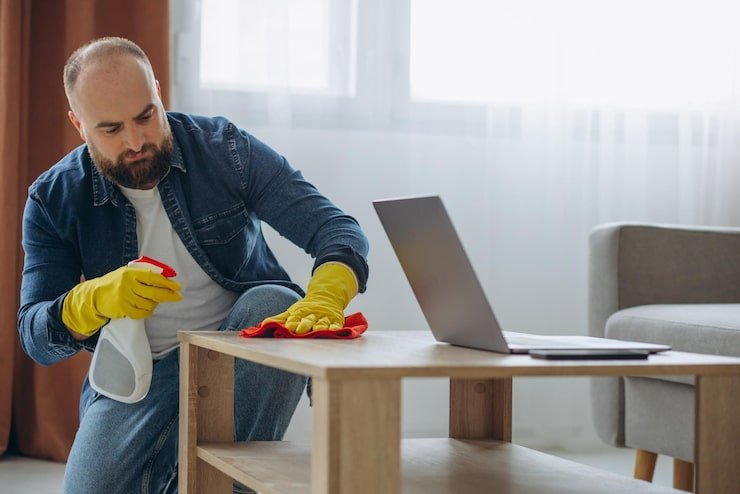
A clean office is more than an attractive workspace. It can influence employee comfort, visitor impressions, workplace organization, and the overall condition of office furniture and facilities. office deep cleaning services are designed to go beyond routine dusting, vacuuming, and trash removal by addressing areas that are often overlooked during everyday cleaning. A thorough cleaning program can cover carpets, upholstery, floors, windows, vents, restrooms, kitchens, workstations, and other hard-to-reach areas. Current office cleaning checklists commonly separate daily maintenance from periodic deep-cleaning tasks so that important areas do not get neglected.
What Is Deep Cleaning in an Office?
Deep cleaning is a detailed cleaning process that focuses on accumulated dust, dirt, stains, buildup, and neglected areas throughout a workplace. Unlike routine cleaning, which is generally intended to keep an office presentable from day to day, deep cleaning takes more time and attention.
A regular cleaning routine might include emptying waste bins, wiping desks, vacuuming floors, and cleaning washrooms. A deep-cleaning session can go further by cleaning beneath furniture, treating carpets, washing interior glass, removing dust from vents, cleaning baseboards, sanitizing difficult surfaces, and thoroughly cleaning kitchen or pantry areas.
The exact scope depends on the size and design of the workplace. A small office may require a few hours, while a large corporate facility can require a coordinated cleaning team and a detailed checklist.
Why Deep Cleaning Matters for Businesses
Office environments contain many areas where dust and dirt can gradually accumulate. High-traffic floors, carpet fibers, upholstered chairs, corners, storage areas, window coverings, and ventilation points can receive less attention during daily cleaning.
A structured deep-cleaning schedule helps address these areas before buildup becomes difficult to remove. Cleaning checklists from commercial cleaning providers commonly include carpets, hard floors, furniture, vents, windows, restrooms, kitchens, baseboards, and high-touch surfaces as part of periodic cleaning.
1. Creates a Better First Impression
Visitors often form an impression of a company based on its physical environment. A clean reception area, spotless meeting room, fresh restroom, and well-maintained floor can make an office feel more organized and professional.
This is especially important for businesses that regularly welcome customers, clients, applicants, suppliers, or business partners.
2. Helps Maintain a Comfortable Workplace
Dust, stains, unpleasant odors, and clutter can make a workplace less comfortable. Deep cleaning addresses areas that routine cleaning may not reach regularly.
Carpets and upholstery, for example, can require more intensive cleaning than simple surface vacuuming. Thorough cleaning can help keep these materials looking better and may extend their useful appearance.
3. Protects Office Furniture and Surfaces
Dirt and grime can gradually affect flooring, furniture, countertops, and fixtures. Regular maintenance combined with periodic deep cleaning can help protect these surfaces.
Different materials require different cleaning methods. Wood, glass, tile, fabric, carpet, metal, and electronic equipment should not necessarily be treated with the same products or techniques.
4. Supports Workplace Hygiene
Frequently touched surfaces deserve regular attention, while less obvious areas require periodic cleaning. Door handles, switches, shared equipment, kitchen surfaces, restroom fixtures, and other commonly touched points can be incorporated into a structured cleaning plan.
Deep cleaning should complement—not replace—routine cleaning and good workplace hygiene practices.
What Does a Professional Office Deep Cleaning Include?

The scope of a deep-cleaning project should be clearly defined before work begins. A professional provider may divide the office into different zones and assign specific tasks to each area.
| Office Area | Common Deep-Cleaning Tasks |
|---|---|
| Workstations | Detailed dusting, surface cleaning, corners, partitions and accessible areas |
| Carpets | Deep vacuuming, stain treatment and extraction where appropriate |
| Floors | Scrubbing, detailed edge cleaning and appropriate floor treatment |
| Restrooms | Detailed cleaning of fixtures, floors, walls and partitions |
| Kitchen or Pantry | Appliance surfaces, counters, sinks, cabinets and floors |
| Windows | Interior glass, frames, sills and accessible areas |
| Furniture | Vacuuming and suitable treatment of chairs and upholstery |
| Common Areas | Detailed dusting, floor care, furniture and high-touch surfaces |
| Vents and Fixtures | Dust removal from accessible vents, lights and high surfaces |
The final scope should always reflect the building’s materials, layout, usage, and cleaning requirements.
Deep Cleaning Workstations and Cubicles
Workstations are among the most frequently used areas in an office, but some parts can be difficult to clean thoroughly.
A detailed workstation cleaning plan may include:
- Dusting desk surfaces and shelving
- Cleaning accessible areas beneath desks
- Wiping partitions and cabinet surfaces
- Cleaning chair arms and other suitable furniture surfaces
- Dusting corners and edges
- Cleaning shared phones and equipment according to manufacturer guidance
- Removing accumulated dust around accessible fixtures
- Vacuuming carpeted areas thoroughly
Employees should secure personal documents and valuables before cleaners begin. Sensitive paperwork, confidential files, and personal belongings should not be moved or discarded without permission.
Deep Cleaning Floors and Carpets
Floor care is one of the most important components of a deep-cleaning program because floors receive constant foot traffic.
Carpeted offices can accumulate dust and debris within the fibers. A deeper carpet-cleaning process may involve intensive vacuuming, stain treatment, and extraction when appropriate.
Hard floors may require more detailed cleaning around corners, edges, grout lines, and furniture. The appropriate method depends on whether the floor is tile, vinyl, wood, stone, laminate, or another material.
A professional cleaner should use equipment and cleaning products suitable for the specific flooring rather than applying one method to every surface.
Restroom Deep Cleaning
Restrooms require careful attention because they are high-use areas. Deep cleaning should address more than visible surfaces.
Important areas can include:
- Toilets and surrounding areas
- Sinks and faucets
- Mirrors
- Floors
- Wall surfaces
- Partitions
- Dispensers
- Corners and edges
- Accessible ventilation points
- Waste containers
Regular cleaning keeps restrooms usable throughout the workweek, while periodic deep cleaning can address buildup and areas that receive less attention during routine maintenance.
Kitchen and Break Room Cleaning
Office kitchens and break rooms can accumulate food residue, grease, stains, crumbs, and odors. A detailed cleaning session should cover both visible and less obvious areas.
Tasks may include cleaning countertops, sinks, cabinet exteriors, appliance surfaces, tables, chairs, floors, and waste containers. Appliances such as microwaves and refrigerators may require additional cleaning according to company policies.
Employees should also be encouraged to remove expired food and clean up spills promptly. A professional deep clean works best when combined with everyday workplace habits.
Windows, Glass, and High Surfaces
Clean glass can make an office appear brighter and better maintained. Deep cleaning can include interior windows, glass doors, partitions, mirrors, frames, and accessible window sills.
High surfaces also deserve attention because dust can accumulate on tops of cabinets, fixtures, partitions, and other elevated areas. Current commercial cleaning checklists commonly include high dusting, vents, light fixtures, blinds, and window areas in periodic cleaning schedules.
Any work at height should be performed using appropriate equipment and safety procedures.
How Often Should an Office Be Deep Cleaned?
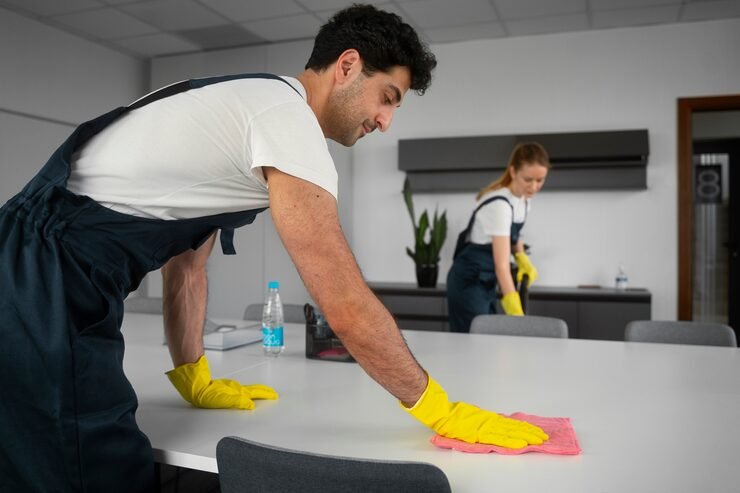
There is no universal schedule that works for every business. Cleaning frequency depends on office size, employee numbers, foot traffic, building conditions, industry, flooring, and the type of work performed.
A useful starting framework is to combine daily maintenance with weekly, monthly, and periodic deep-cleaning tasks.
| Frequency | Examples of Tasks |
|---|---|
| Daily | Waste removal, surface cleaning, restroom maintenance and high-touch areas |
| Weekly | Detailed dusting, carpet vacuuming, glass cleaning and furniture care |
| Monthly | Deeper floor care, vents, baseboards and selected hard-to-reach areas |
| Quarterly or Periodically | Carpet extraction, upholstery cleaning and comprehensive deep cleaning |
| As Needed | Post-renovation, relocation, special events or unusually heavy buildup |
The schedule should be adjusted according to actual workplace conditions. A busy office with heavy daily foot traffic may need more frequent intensive cleaning than a small, lightly used workspace. Commercial cleaning guidance also commonly recommends separating routine tasks from periodic deep-cleaning cycles.
Benefits of Hiring Professional Cleaners
Managing a large office cleaning project internally can consume employee time and may result in inconsistent standards. Professional cleaners bring specialized equipment, cleaning procedures, and experience with different surfaces.
More Consistent Results
A professional team can work from a defined checklist so important areas are less likely to be forgotten.
Specialized Equipment
Some cleaning tasks require equipment that businesses may not normally keep on-site, particularly for carpets, floors, upholstery, or larger facilities.
Better Time Management
Deep cleaning can be scheduled outside normal working hours to minimize disruption to employees and customers.
Customized Cleaning Plans
A good cleaning plan should reflect the actual office rather than using exactly the same checklist for every building. Factors such as foot traffic, floor type, number of restrooms, kitchen facilities, and office layout should influence the scope.
Clear Accountability
Written checklists, task frequencies, inspections, and sign-offs can make expectations easier to manage. Modern office cleaning SOPs increasingly emphasize defined task frequency, assigned responsibility, and documentation.
How to Choose the Right Cleaning Company
Choosing a cleaning provider should involve more than comparing prices. Businesses should understand exactly what is included before agreeing to a service.
Consider the following:
- Ask for a detailed scope of work.
- Confirm which areas are included.
- Check whether cleaning equipment is provided.
- Ask how carpets and upholstery will be treated.
- Discuss cleaning schedules and preferred service hours.
- Confirm how quality inspections are handled.
- Ask whether the service can be customized as the office changes.
- Clarify whether consumables are included.
- Discuss access, security, keys, and sensitive areas.
- Request a written estimate before work begins.
A low-cost service may not provide good value if important tasks are excluded. The better comparison is the quality and scope of service received for the total cost.
How to Prepare an Office for Deep Cleaning
Preparation can make the process faster and more effective.
Employees should remove personal belongings from desks, secure confidential documents, clear unnecessary items from floors, and identify equipment or areas that require special handling.
Management should also communicate the cleaning schedule in advance. If employees know when cleaning will occur, they can organize workstations and avoid leaving food, paperwork, or personal items in areas that need attention.
For larger projects, divide the office into zones and create a checklist for each section. This makes it easier for supervisors to verify completion.
Key Points to Remember
- Deep cleaning goes beyond normal daily office maintenance.
- Carpets, upholstery, floors, vents, windows, restrooms, and kitchens may require periodic detailed cleaning.
- Cleaning schedules should be based on office size, traffic, usage, and workplace conditions.
- Professional cleaners can provide specialized equipment and structured cleaning procedures.
- A written scope of work helps prevent misunderstandings.
- Sensitive documents and valuable equipment should be secured before cleaning.
- Cleaning products should be selected according to the surface and manufacturer’s recommendations.
- Routine cleaning should continue between deep-cleaning sessions.
- Inspection checklists can improve consistency and accountability.
- Businesses should compare cleaning scope and quality rather than price alone.
Final Thoughts
A well-maintained office supports a professional appearance and creates a more comfortable environment for employees and visitors. Routine cleaning handles everyday dirt and waste, but periodic deep cleaning addresses areas that are easily missed during normal maintenance.
The most effective approach is to create a structured cleaning schedule that combines daily tasks with weekly, monthly, and periodic deep-cleaning activities. Businesses should also choose cleaning methods based on their specific flooring, furniture, equipment, and building layout.
Whether the workplace is a small office, a shared workspace, or a large corporate facility, consistency is the key. A clear scope of work, reliable cleaning schedule, appropriate equipment, and regular quality checks can help maintain a cleaner and more professional workplace throughout the year.
Frequently Asked Questions
1. What is the difference between regular office cleaning and deep cleaning?
Regular cleaning focuses on everyday maintenance such as dusting, vacuuming, waste removal, restroom cleaning, and wiping common surfaces. Deep cleaning is more detailed and addresses areas such as carpets, upholstery, baseboards, vents, corners, windows, grout, and other spaces that may not receive frequent attention.
2. How often should an office receive a deep cleaning?
The ideal frequency depends on office size, foot traffic, industry, and building conditions. Some workplaces may benefit from monthly intensive tasks, while others may schedule larger deep-cleaning projects quarterly or periodically. A cleaning assessment can help determine the appropriate schedule.
3. Can deep cleaning be performed outside business hours?
Yes. Many businesses schedule intensive cleaning before opening, after closing, or during weekends to reduce disruption. The timing should be agreed upon with the cleaning provider and should account for building access and security requirements.
4. What areas are commonly missed during routine office cleaning?
Commonly overlooked areas include baseboards, corners, areas beneath furniture, cabinet tops, vents, window frames, blinds, upholstery, carpet edges, grout lines, and less frequently used storage areas. These locations can be included in a periodic deep-cleaning checklist.
5. How can a business maintain cleanliness after a deep cleaning?
The best approach is to combine deep cleaning with a consistent daily and weekly maintenance routine. Employees should keep workstations organized, clean spills promptly, dispose of waste properly, and maintain shared kitchens and meeting areas. Regular inspections can also identify problems before they become difficult to manage.
| Read more: Outdoor Wicker Side Table: |