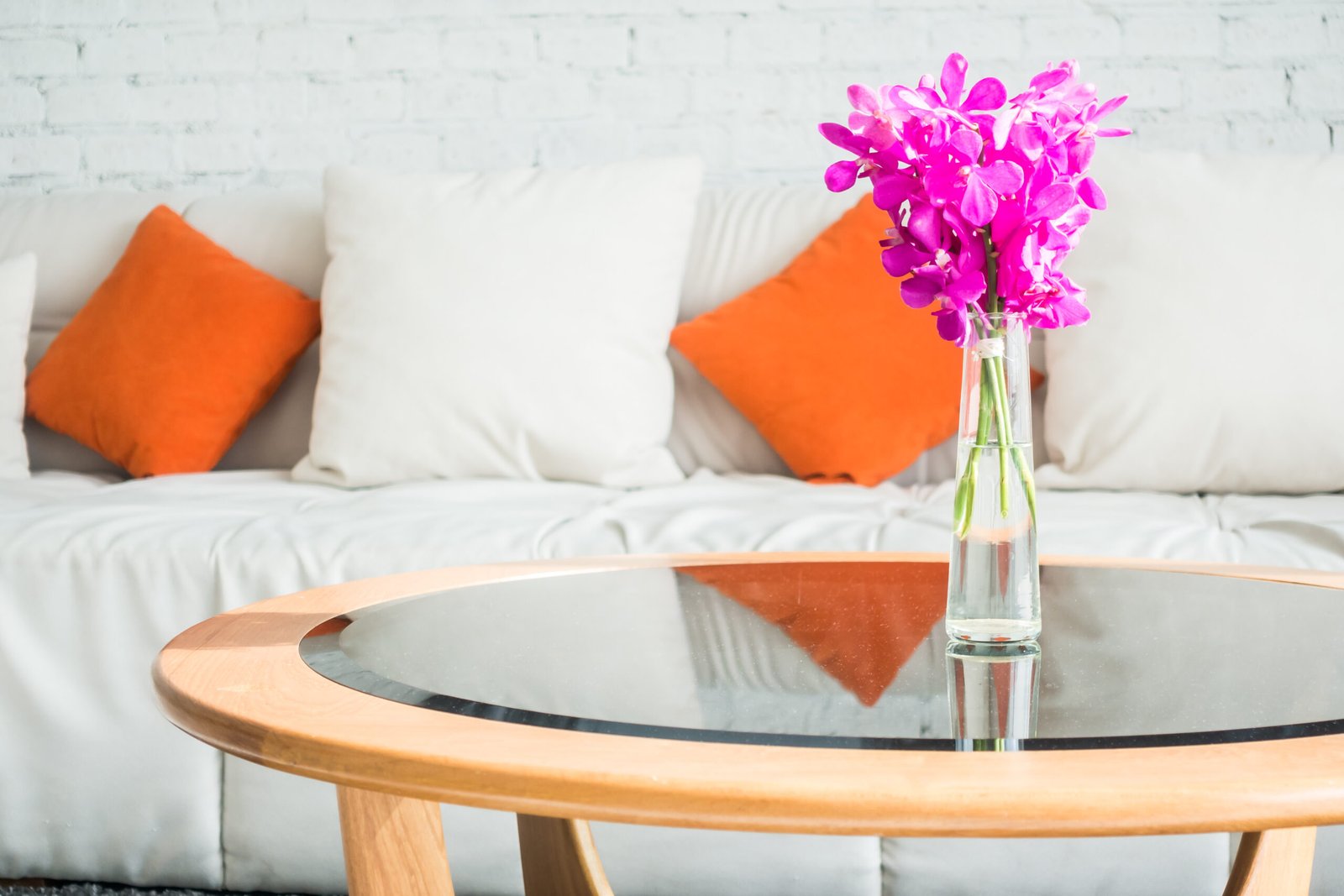
A coffee table is more than just a convenient surface in the center of a living room. It can become the visual anchor that connects your sofa, rug, lighting, accessories, and overall décor. Among the many materials available today, oak remains a popular choice because it combines a natural appearance with strength and versatility. A well-made solid oak table can work with modern, traditional, farmhouse, rustic, Scandinavian, and transitional interiors.
A carefully selected coffee table should also fit the scale of your seating area. Current furniture guidance commonly recommends considering the relationship between the table and sofa length, while leaving enough space for comfortable movement around the table.
Whether you are decorating a new home or refreshing an existing living room, choosing the right oak table can add warmth, character, and practical functionality.
Why Choose an Oak Coffee Table for Your Living Room?
Oak has long been valued for furniture because of its attractive grain and durable nature. Solid oak also has a distinctive appearance, with natural variations that make every piece slightly different.
A quality oak coffee table can provide:
- Strong construction for everyday use
- A naturally warm and attractive appearance
- Visible wood grain and unique character
- Compatibility with many interior styles
- Long-term usability when properly maintained
- The possibility of refinishing depending on construction and finish
- A timeless appearance that does not rely heavily on short-lived trends
Solid oak is different from oak veneer. Solid oak components are made from oak timber, while veneer uses a thin layer of real oak over another core material. Both can be useful, but buyers should understand exactly what they are purchasing.
What Makes a Solid Oak Coffee Table Different?
The most important distinction is construction.
A genuine solid oak table uses solid oak for the relevant structural components rather than simply applying an oak-colored finish to engineered material. Natural grain should continue across surfaces and edges in a way that looks authentic.
Another important factor is how the table is constructed. Good furniture should have stable joints, a balanced base, and appropriate allowance for natural wood movement. Solid timber responds to changes in moisture and humidity, so professional construction is important for long-term performance.
When shopping, look for:
- Clearly stated solid-oak construction.
- Strong, stable legs or base.
- Smoothly finished edges.
- High-quality joinery.
- A protective finish appropriate for everyday use.
- A tabletop thickness that suits the design.
- A size that works with your sofa and available floor space.
Popular Solid Oak Coffee Table Styles
Oak is remarkably versatile, which means it can be shaped into many different designs.
1. Modern Minimalist Oak Tables
Modern designs usually focus on clean lines, simple legs, and a relatively uncluttered appearance.
A light natural finish can highlight the grain while keeping the room bright. Pair the table with a neutral sofa, simple rug, and understated accessories for a contemporary look.
2. Rustic Oak Coffee Tables
Rustic designs emphasize the natural character of the timber. Visible knots, pronounced grain, thicker tops, and slightly distressed finishes can create a comfortable farmhouse atmosphere.
This style works particularly well with:
- Linen sofas
- Woven baskets
- Natural rugs
- Ceramic accessories
- Warm lighting
- Earth-tone cushions
3. Scandinavian-Inspired Designs
Scandinavian interiors often combine practical furniture with light colors and natural materials.
A simple oak table with tapered legs can create a clean, welcoming appearance. Keep decorations minimal and allow the wood grain to remain one of the room’s main visual features.
4. Industrial Oak Tables
For an industrial appearance, combine an oak tabletop with a black or dark metal base.
The contrast between natural wood and metal creates a strong visual statement. This design can work particularly well in loft-style rooms and contemporary homes.
5. Live-Edge Oak Tables
Live-edge designs preserve some of the natural outline of the timber. They provide a more organic appearance and can become a focal point in a room.
Because the shape is visually distinctive, keep surrounding furniture relatively simple.
Choosing the Right Size and Shape

One of the biggest mistakes people make when buying a coffee table is focusing on appearance without considering proportion.
A beautiful table can still look awkward if it is too large, too small, too high, or too close to the sofa.
As a general starting point, many interior guides suggest a coffee table around two-thirds the length of the sofa, while maintaining sufficient clearance for movement.
Coffee Table Size Guide
| Living Room Setup | Recommended Approach |
|---|---|
| Small sofa | Compact rectangular or round table |
| Three-seat sofa | Medium or large rectangular table |
| L-shaped sectional | Large rectangular or oval table |
| Multiple chairs | Round or oval table |
| Small apartment | Slim or nesting table |
| Large open room | Substantial rectangular or organic-shaped table |
Measure your room before purchasing. Consider sofa length, sofa depth, walking paths, rug placement, and the location of other furniture.
Which Shape Is Best?
The shape should complement both your furniture and the movement pattern of the room.
Rectangular
Rectangular tables are a classic choice for long sofas. They provide generous surface area for books, trays, drinks, and decorative objects.
Round
Round oak tables can soften rooms containing lots of straight lines. They are also useful when several chairs surround the table.
Oval
Oval tables combine some of the spaciousness of rectangular designs with softer edges.
Square
Square tables can work beautifully with sectional sofas or symmetrical seating arrangements.
Organic Shapes
Irregular or curved tables can create a contemporary statement while adding visual softness to the room.
How to Style a Solid Oak Coffee Table
One of the biggest advantages of natural oak is that it does not require excessive decoration.
The wood itself provides texture and warmth.
Start with a tray to create a defined styling area. Then add two or three carefully selected pieces, such as:
- A small vase
- A coffee-table book
- A ceramic bowl
- A candle
- A small plant
- A decorative sculpture
Avoid covering every inch of the tabletop. A balanced arrangement leaves enough open space for everyday use. Contemporary styling advice also emphasizes proportion and intentional spacing when selecting and decorating a coffee table.
Solid Oak Coffee Table vs Other Materials
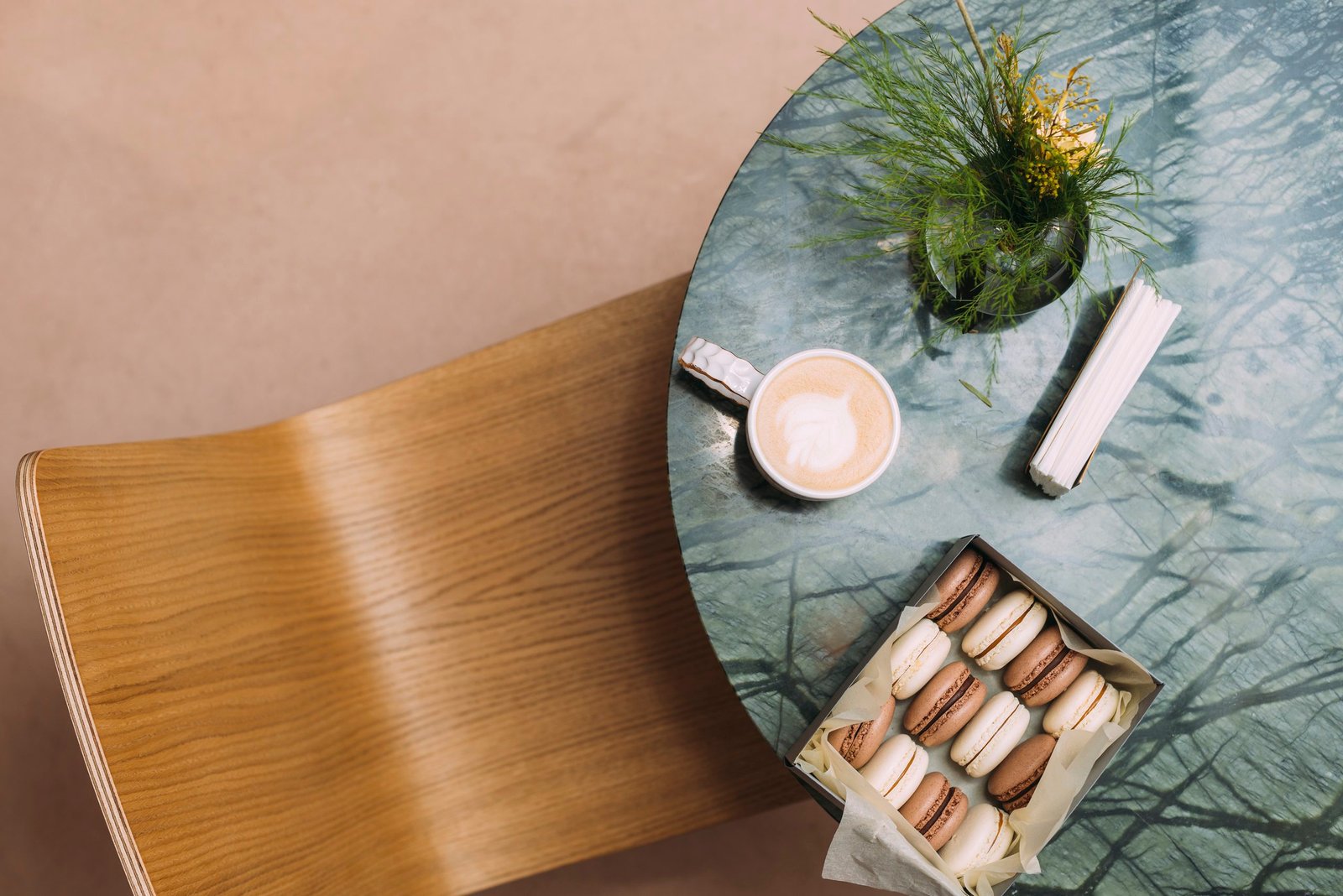
Oak is only one option available to homeowners. Understanding the alternatives can help you make a more confident decision.
| Material | Main Advantage | Potential Consideration |
|---|---|---|
| Solid Oak | Durable, natural, timeless | Usually heavier |
| Oak Veneer | Real oak appearance with stable core | Not solid timber |
| Glass | Light and visually open | Shows marks and scratches |
| Marble | Luxurious appearance | Heavy and can require more care |
| Metal | Modern and strong | Can feel visually colder |
| Engineered Wood | Affordable and versatile | Generally different longevity and repairability |
Solid oak is especially attractive if you want furniture that feels substantial and naturally textured.
How to Identify Genuine Solid Oak
When shopping online or in a showroom, do not rely solely on the word “oak.”
Ask whether the table is solid oak, oak veneer, or oak-effect material.
Look carefully at the edges. On solid timber, the grain generally behaves naturally around edges and corners. Veneer may reveal a seam or edge treatment where the thin oak layer meets another material.
You can also ask the seller:
- What parts of the table are solid oak?
- What type of finish has been used?
- How has the tabletop been attached to the base?
- What type of joinery is used?
- Can the surface be refinished?
- How should the table be cleaned?
- Is the wood responsibly sourced?
These questions can help distinguish a carefully constructed piece from a product that simply has an oak appearance.
Best Finishes for an Oak Coffee Table
The finish affects both appearance and maintenance.
Natural or Oiled Finish
An oil finish can emphasize the natural grain and give the wood a warm, tactile appearance. It may require periodic maintenance depending on the product and usage.
Lacquered Finish
Lacquer creates a protective surface and can be practical for households where the table receives frequent use.
Waxed Finish
Wax can provide a soft, traditional appearance but may need more regular care than some modern protective finishes.
The correct maintenance routine depends on the finish. General care recommendations include wiping spills promptly, using coasters and heat protection, and keeping wooden furniture away from excessive heat or harsh environmental conditions.
How to Maintain Your Oak Coffee Table
Proper care can help preserve the table’s appearance for years.
Clean Regularly
Use a soft cloth to remove dust. Avoid aggressive cleaning products unless they are specifically recommended for the finish.
Deal With Spills Quickly
Coffee, tea, water, and other liquids should not be left sitting on the surface unnecessarily.
Use Coasters
Coasters help prevent rings and reduce the risk of marks from beverages.
Protect Against Heat
Use heat mats beneath hot dishes, serving containers, or other hot objects.
Avoid Excessive Sunlight
Strong direct sunlight can gradually alter the appearance of natural wood and finishes.
Follow the Finish Manufacturer’s Instructions
Oiled, waxed, and lacquered surfaces may require different care. Identifying the finish before applying a maintenance product is important.
How to Match Oak With Your Existing Décor

Oak’s warm natural appearance makes it easy to coordinate with many colors.
For a sophisticated living room, pair light oak with:
- Cream
- White
- Beige
- Soft gray
- Sage green
- Muted blue
For a warmer interior, combine oak with:
- Terracotta
- Brown
- Olive
- Rust
- Warm beige
- Natural woven textures
For a contemporary contrast, darker upholstery and black metal accents can create a stronger visual effect.
The goal does not necessarily need to be matching every wooden item. Different wood tones can work together when the overall room has a consistent color and material balance.
Common Mistakes to Avoid
Buying a coffee table based only on its appearance can create practical problems.
Choosing the Wrong Size
A table that dominates the room can make movement difficult. One that is too small may look disconnected from the sofa.
Ignoring Construction
A beautiful finish cannot compensate for poor joints, unstable legs, or weak construction.
Over-Styling
Too many decorative objects can make the table difficult to use.
Choosing the Wrong Finish
A finish should match your lifestyle. A heavily used family room may require a more practical protective surface than a decorative sitting room.
Forgetting Maintenance
Natural wood looks best when it receives appropriate care.
Is a Solid Oak Coffee Table Worth It?
For homeowners looking for a combination of natural beauty, durability, and timeless style, solid oak can be an excellent furniture choice.
It may cost more than some engineered alternatives, but its visual character and substantial construction can make it a long-term addition rather than a short-lived trend piece.
Oak also adapts easily as décor changes. You can move from farmhouse styling to contemporary décor without necessarily replacing the table.
The key is to buy based on construction quality, appropriate dimensions, finish, and your household’s daily needs—not simply on appearance.
Final Thoughts
A solid oak coffee table can transform an ordinary seating area into a more polished and welcoming living space. Its natural grain, warm character, and adaptable design make it suitable for a wide range of interiors.
From minimalist rooms to rustic family spaces, oak provides a strong foundation for thoughtful living-room design. Choose the right size, inspect the construction, select a suitable finish, and maintain the surface properly.
Most importantly, think about how you actually use your living room. A coffee table should look beautiful, but it should also be comfortable, practical, stable, and easy to live with.
Frequently Asked Questions
1. Is solid oak good for a coffee table?
Yes. Solid oak is a popular choice because it offers a natural appearance, strong construction, and good everyday durability when properly made and maintained.
2. How do I know if an oak coffee table is actually solid oak?
Check the product description and ask the seller directly. Inspecting edges and grain can also help distinguish solid timber from veneer. Solid oak generally shows natural grain continuity across surfaces and edges.
3. What size coffee table should I choose?
The correct size depends on your sofa and room. A common starting point is a table around two-thirds of the sofa’s length, while maintaining enough space around it for comfortable movement.
4. How do I protect an oak coffee table from stains?
Use coasters, trays, and heat protection, and clean spills promptly. The exact cleaning method should match the table’s finish.
5. What décor styles work with oak coffee tables?
Oak works with modern, minimalist, Scandinavian, farmhouse, rustic, traditional, industrial, and transitional décor. Its natural color and grain make it especially easy to combine with neutral colors and other natural materials.
Read more: Neutral Throw Pillows: Beautiful