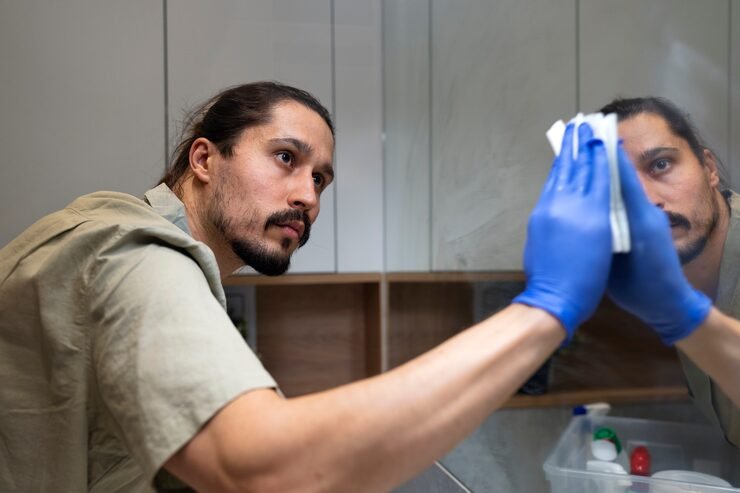
Many homeowners looking for a quick way to deal with household mold wonder, will alcohol kill mold effectively? Alcohol can damage or kill some types of mold when it comes into direct contact with the growth, but its effectiveness depends on the type of alcohol, concentration, surface, and extent of the contamination. More importantly, simply killing mold does not necessarily remove the mold or prevent it from returning. Proper cleaning, drying, ventilation, and moisture control are essential parts of successful mold management.
How Alcohol Affects Mold
Alcohol can interfere with the cellular structures and proteins of microorganisms. Certain alcohol solutions may therefore be effective against some surface mold growth. However, mold is a fungus rather than a simple surface bacterium, and its spores can be more resistant to environmental conditions.
Alcohol may work better on small amounts of surface contamination than on deeply established mold. Porous materials such as drywall, wood, insulation, carpet, and fabric can allow mold to penetrate below the visible surface. In these situations, applying alcohol only to the exposed area may not address the entire problem.
Which Alcohol Is Commonly Used?
Isopropyl alcohol and ethanol are the alcohols most commonly associated with household cleaning. Their effectiveness depends greatly on concentration and application.
Higher concentrations are not automatically better for every cleaning purpose. Alcohol evaporates quickly, which can reduce the amount of time it remains in contact with the contaminated surface.
Because household mold can vary considerably, alcohol should not be treated as a universal mold-removal solution. The condition and material of the affected surface should always be considered before choosing a cleaning method.
Can Alcohol Remove Visible Mold?
Alcohol may help reduce some visible surface mold, particularly when the contamination is limited and the affected material is nonporous. However, wiping the surface with alcohol does not necessarily remove every spore or fungal structure.
Physical removal is an important part of cleaning. Mold residue should be removed from the surface rather than simply being chemically treated.
If mold has spread extensively, repeatedly treating the visible area may provide only temporary improvement. Finding and correcting the moisture source is much more important for long-term control.
Mold on Porous and Nonporous Surfaces
The surface affected by mold makes a major difference. Nonporous materials such as glass, metal, and some hard plastics can generally be cleaned more effectively because mold cannot penetrate deeply into the material.
Porous materials are more complicated. Mold can grow inside materials such as drywall, insulation, ceiling tiles, upholstery, and unfinished wood. Surface treatment may not reach the contamination underneath.
In some cases, heavily contaminated porous materials may need to be discarded and replaced rather than repeatedly treated with a household cleaner.
Why Killing Mold Is Not Enough
Even when a cleaning product kills mold organisms, dead mold material can remain on the surface. Mold fragments and spores can still contribute to indoor air quality problems and may trigger reactions in sensitive individuals.
For this reason, successful mold cleanup involves removing contaminated material and residue whenever practical.
The most important long-term step is moisture control. If water leaks, condensation, flooding, or excessive humidity continues, mold can return even after the original growth has been treated.
The Importance of Ventilation
Ventilation plays an important role in controlling moisture and reducing conditions that encourage mold growth.
Bathrooms, kitchens, laundry areas, basements, and other humid spaces can benefit from appropriate ventilation. Exhaust fans can help remove moisture produced by showers and cooking.
Opening windows can sometimes improve airflow when outdoor conditions are suitable, but ventilation should not be relied upon when it increases indoor humidity. A dehumidifier may be more appropriate in persistently damp areas.
Safer Mold Cleaning Practices
Small areas of household mold can sometimes be cleaned using appropriate protective measures and suitable cleaning products. Gloves can help reduce skin contact with contaminated material, while eye protection may be useful when splashing or airborne particles are possible.
Avoid creating unnecessary dust or disturbing large amounts of mold growth. Cleaning methods should be selected according to the affected material and size of the problem.
Never mix alcohol with bleach, ammonia, or other household chemicals. Combining cleaning chemicals can produce dangerous vapors or unexpected chemical reactions.
When Alcohol May Not Be Appropriate
Alcohol is highly flammable, so it should not be used near flames, sparks, pilot lights, heaters, or other ignition sources. Good ventilation is also important when using products that release strong vapors.
It may also damage certain finishes, coatings, plastics, paints, or other materials. Always consider the manufacturer’s instructions and test a cleaning product on an inconspicuous area when appropriate.
For extensive mold contamination, using alcohol as a primary treatment can create a false sense that the problem has been completely resolved.
Addressing the Moisture Source
Mold needs moisture to grow, so identifying the source of moisture is one of the most important parts of mold prevention.
Common causes include leaking pipes, roof leaks, plumbing failures, flooding, condensation, poor ventilation, and high indoor humidity.
A cleaned surface can become contaminated again if the underlying moisture problem remains. Repairing leaks, improving ventilation, drying wet materials promptly, and controlling humidity can significantly reduce the conditions that allow mold to grow.
When Professional Mold Remediation May Be Needed
Small areas of surface mold may sometimes be manageable with careful household cleaning. Larger or recurring contamination can require a more comprehensive approach.
Professional assistance may be appropriate when mold covers a large area, repeatedly returns, has affected building materials, follows significant water damage, or is located in difficult-to-access areas.
Professional remediation can involve containment, removal of contaminated materials, moisture correction, cleaning, drying, and other procedures designed to prevent the contamination from spreading during cleanup.
Common Mistakes When Treating Mold
One common mistake is focusing only on the visible discoloration. Mold growth can extend beyond what is immediately visible, especially when moisture has entered porous materials.
Another mistake is assuming that a strong-smelling chemical automatically provides better mold control. Strong chemicals can create their own safety concerns without addressing the underlying moisture problem.
Scrubbing aggressively can also spread contaminated particles if appropriate precautions are not taken.
Finally, painting over mold without cleaning and drying the surface can trap the problem beneath the new coating and allow growth to continue.
Key Points to Remember
Alcohol can affect some types of surface mold, but it is not a universal solution for household mold contamination.
The effectiveness of alcohol depends on factors such as concentration, contact time, mold type, and surface material.
Nonporous surfaces are generally easier to clean than porous materials where mold may penetrate below the surface.
Removing visible contamination and correcting the source of moisture are more important for long-term mold control than simply killing mold.
Alcohol is flammable and should never be used around ignition sources or mixed with other household chemicals.
Large, recurring, or deeply established mold problems may require professional assessment and remediation.
Tips for Dealing With Household Mold
Identify and correct leaks or other sources of moisture as soon as possible.
Keep indoor humidity at a reasonable level and improve ventilation in areas that regularly become damp.
Dry wet materials promptly after spills, leaks, or water damage.
Use appropriate protective equipment when cleaning small areas of mold.
Avoid mixing cleaning products, especially alcohol with bleach or ammonia.
Do not assume that discoloration has been eliminated simply because the surface looks cleaner.
Consider professional assistance when contamination is extensive, recurring, or affecting porous building materials.
Final Thoughts
Understanding will alcohol kill mold requires more than a simple yes-or-no answer because alcohol may affect some surface mold without completely removing the contamination. Its usefulness depends on the mold, the concentration of the product, and the material being cleaned. For small surface problems, careful cleaning may help, but successful mold control also requires removing contaminated residue and addressing the moisture that allowed the growth to develop. When mold is extensive, persistent, or deeply embedded in building materials, professional assessment can provide a more appropriate solution. Above all, improving moisture control is essential for reducing the chance of mold returning.
Frequently Asked Questions
1. Can rubbing alcohol kill mold?
Rubbing alcohol may damage or kill some surface mold when applied appropriately, but it should not be considered a complete solution for all types of mold or contaminated materials.
2. Does alcohol remove mold spores?
Alcohol may affect some microorganisms, but simply applying alcohol does not guarantee that all mold spores and residues have been physically removed. Cleaning and removal remain important.
3. Can I use alcohol on moldy walls?
It depends on the wall material and extent of contamination. Nonporous painted surfaces may be easier to clean, while drywall and other porous materials can contain mold below the surface.
4. Is alcohol safer than bleach for mold?
Alcohol and bleach have different properties and risks, so neither should automatically be considered the best choice for every mold situation. Alcohol is highly flammable, while bleach can produce hazardous fumes when improperly used or mixed with other chemicals.
5. How can I stop mold from coming back?
The most important step is controlling moisture. Repair leaks, improve ventilation, dry wet materials quickly, and manage indoor humidity. If mold continues returning despite these measures, investigate the underlying moisture problem or seek professional assistance.
3 thoughts on “Will Alcohol Kill Mold? Understanding Its Effectiveness and Safer Mold Removal Methods”