


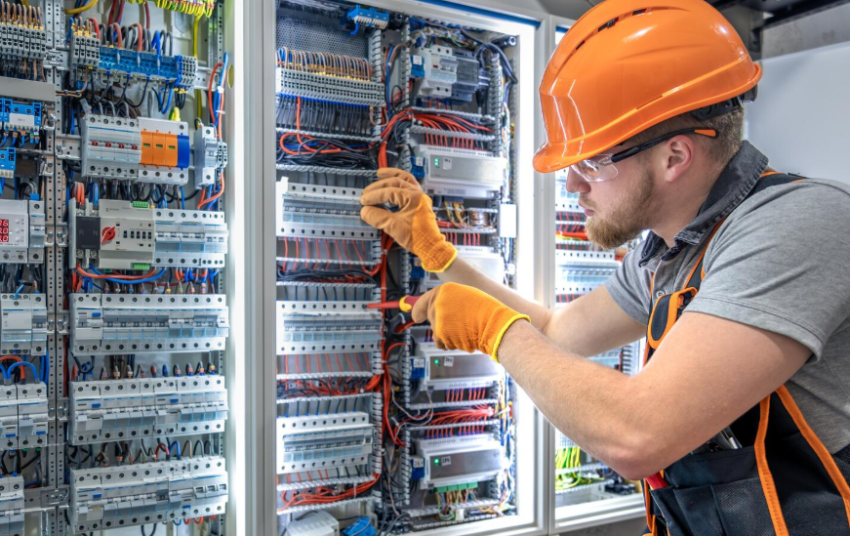
Powering Everyday Life
Electrical systems are the backbone of modern life, providing energy for homes, businesses, and industries. From lighting and heating to powering appliances and devices, electricity makes daily activities possible. Reliable electrical systems ensure comfort, productivity, and safety, making them an essential component of contemporary living.
Supporting Industry and Innovation
Industries depend on electrical systems to operate machinery, manage production lines, and maintain communications. Electrical power enables automation, robotics, and advanced manufacturing techniques, driving efficiency and innovation. Without robust electrical systems, industrial growth and technological progress would be severely limited.
Enabling Communication Networks
Electrical systems are critical for supporting communication infrastructure. They power internet networks, telecommunication systems, and data centers, allowing people to connect globally. From smartphones to cloud services, electricity ensures that digital communication is seamless and reliable, bridging gaps between individuals and businesses worldwide.
Driving Transportation Solutions
Modern transportation relies heavily on electricity. Electric vehicles, trains, and public transit systems are increasingly powered by electrical energy, reducing reliance on fossil fuels. Electrical systems not only support sustainable transport but also enhance efficiency, safety, and convenience in moving people and goods.
Promoting Health and Safety
Electrical systems are vital in healthcare and public safety. Hospitals, clinics, and emergency services depend on consistent electrical power to operate life-saving equipment, maintain sterile environments, and support communication. Reliable electricity ensures that medical services function effectively and emergencies are managed promptly.
Advancing Renewable Energy Integration
Electrical systems are central to integrating renewable energy sources such as solar, wind, and hydroelectric power. Smart grids, inverters, and energy storage systems manage distribution and balance supply with demand. This integration promotes sustainability, reduces environmental impact, and ensures consistent energy availability for homes and businesses.
Supporting Education and Research
Schools, universities, and research facilities rely on electrical systems to power laboratories, classrooms, and online learning platforms. Access to electricity enables modern education methods, digital learning tools, and advanced scientific research, fostering knowledge creation and skill development in society.
Enhancing Comfort and Quality of Life
Electrical systems contribute to everyday comfort through heating, cooling, lighting, and entertainment. Smart home technologies, powered by electricity, allow for convenient management of household systems, improving efficiency and enhancing quality of life. Electricity ensures that modern living is convenient, safe, and enjoyable.
Facilitating Economic Growth
A reliable electrical infrastructure is essential for economic development. Businesses, manufacturing, and services require consistent energy supply to operate efficiently. Electrical systems support productivity, innovation, and trade, making them a critical driver of economic stability and growth in modern societies.
A Foundation of Modern Civilization
Overall, electrical systems are fundamental to modern life. They power homes, support industries, enable communication, drive transportation, and enhance education and healthcare. By providing reliable energy, electrical systems form the backbone of contemporary society, supporting comfort, innovation, sustainability, and economic growth across the globe.