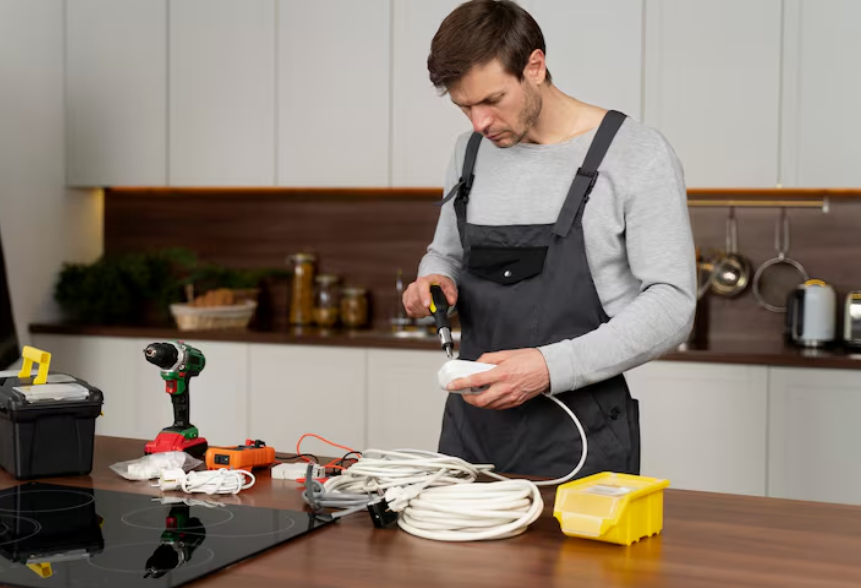
Electrical power is an essential part of modern life. It keeps our lights on, appliances running, devices charged, and homes comfortable. However, electricity can become dangerous when electrical systems, outlets, appliances, or wiring are damaged or used incorrectly. Understanding basic electrical safety can help homeowners reduce risks and create a safer living environment.
Whether you live in a new house or an older property, developing safe electrical habits is important. From avoiding overloaded outlets to recognizing warning signs of electrical problems, a few simple precautions can make a significant difference.
Understand Your Home’s Electrical System
Every home has an electrical system designed to distribute power safely throughout the property. It generally includes a main electrical panel, circuit breakers, wiring, outlets, switches, and various electrical fixtures.
Circuit breakers are particularly important because they are designed to interrupt electrical flow when a circuit becomes overloaded or experiences certain faults. If a breaker repeatedly trips, do not simply keep resetting it without investigating the reason.
Frequent breaker trips can indicate an overloaded circuit, faulty appliance, damaged wiring, or another electrical problem. A qualified electrician should inspect persistent issues.
Avoid Overloading Electrical Outlets
One common electrical safety mistake is connecting too many devices to a single outlet or power strip. Overloading can cause excessive current to flow through wiring and components, potentially creating dangerous heat.
Be mindful of how many high-power appliances are connected to the same circuit. Devices such as heaters, air conditioners, ovens, and large kitchen appliances can require substantial electrical power.
Power strips should not be treated as a way to permanently expand the capacity of an electrical circuit. If you regularly need additional outlets, professional electrical work may be a safer solution.
Inspect Cords and Plugs Regularly
Electrical cords can become damaged through normal use. Frayed insulation, exposed wires, bent plugs, burn marks, or loose connections should never be ignored.
Check cords periodically, particularly for appliances that are frequently moved. Do not use equipment with visibly damaged wiring.
Avoid running cords underneath rugs or carpets where they can become damaged or overheated. Cords should also be positioned away from water, heat sources, and areas where people regularly walk.
Replacing damaged equipment is generally safer than attempting an improvised repair.
Keep Electricity Away From Water
Water and electricity can create an extremely dangerous combination. Electrical appliances should be kept away from sinks, bathtubs, showers, pools, and other wet areas unless they are specifically designed and installed for those environments.
Never handle electrical plugs or appliances with wet hands. If an electrical device falls into water, do not reach into the water to retrieve it. Disconnect power safely if possible and seek professional assistance when necessary.
Bathrooms and kitchens require particular attention because water is commonly present in these areas.
Use Ground Fault Protection
Ground fault protection can provide an important layer of electrical safety, particularly in locations where electricity may come into contact with moisture.
Ground-fault circuit interrupters, commonly known as GFCIs, are designed to quickly interrupt power when they detect an imbalance in electrical current. They are commonly used in areas such as bathrooms, kitchens, garages, laundry areas, and outdoor locations, depending on local electrical requirements.
If a GFCI repeatedly trips, it should not be ignored. The problem could involve an appliance, moisture, wiring, or another electrical issue.
Keep Children Safe Around Electricity
Children are naturally curious, so electrical safety should be part of household education. Young children should learn that outlets, electrical cords, switches, and appliances are not toys.
Tamper-resistant receptacles or appropriate outlet protection can provide additional safety in homes with young children.
Keep electrical devices and cords out of reach when practical. Chargers, power adapters, and small electrical accessories should not be left where children can easily pull, chew, or misuse them.
Teaching children basic safety rules early can help establish responsible habits.
Be Careful With Extension Cords
Extension cords are useful for temporary situations, but they should not replace permanent electrical installations.
Choose an extension cord that is suitable for the device being powered. Using an undersized cord for a high-power appliance can create excessive heat.
Avoid connecting multiple extension cords together. Do not run extension cords through walls, ceilings, doorways, or under carpets as a permanent solution.
If an appliance requires a dedicated outlet or is located too far from an existing outlet, consider having a qualified electrician install an appropriate electrical connection.
Recognize Warning Signs
Electrical problems often provide warning signs before becoming serious. Paying attention to these symptoms can help homeowners address issues earlier.
Common warning signs include:
- Flickering or frequently dimming lights
- Buzzing or crackling sounds from outlets or switches
- Burning smells
- Discolored outlets or switch plates
- Warm electrical outlets
- Sparks from outlets
- Repeatedly tripped breakers
- Frequently blown fuses
- Mild shocks or tingling when touching equipment
These signs should not be treated as normal. Stop using questionable equipment and have the electrical system evaluated by a qualified professional.
Practice Appliance Safety
Always follow the manufacturer’s instructions when operating electrical appliances. Make sure appliances are placed on stable surfaces and have sufficient ventilation where required.
Keep heating appliances away from curtains, bedding, furniture, paper, and other materials that can catch fire.
Unplug portable appliances when they are not needed, especially devices that generate heat. Avoid using damaged chargers, adapters, or power supplies.
Large appliances should be connected according to their electrical requirements. Never modify plugs or remove grounding features simply to make a device fit an outlet.
Be Cautious With DIY Electrical Work
Some household tasks are suitable for homeowners, but electrical repairs can involve serious risks. Incorrect wiring can result in electric shock, equipment damage, fire, or other hazards.
If you are unfamiliar with electrical systems, avoid opening electrical panels, modifying wiring, or attempting repairs beyond your knowledge and qualifications.
For significant electrical work, use a properly qualified electrician and follow the electrical codes and regulations applicable to your location.
Professional installation is particularly important for major upgrades, new circuits, electrical panels, and wiring repairs.
Protect Your Home During Electrical Emergencies
Knowing what to do during an electrical emergency can help reduce confusion. If you notice smoke, sparks, a strong burning smell, or signs of an electrical fire, prioritize personal safety.
Do not touch damaged electrical equipment. If it is safe to do so, shut off the main power supply and leave the area. For an electrical fire, never use water because water can conduct electricity and increase the danger.
Leave the property if necessary and contact the appropriate emergency services. Do not attempt to handle a serious electrical emergency yourself.
Schedule Professional Electrical Inspections
Regular professional inspections can help identify electrical problems that may not be obvious during everyday use. This can be particularly valuable in older homes, properties undergoing renovations, or houses experiencing repeated electrical issues.
An electrician can evaluate wiring, outlets, switches, electrical panels, grounding, and other components. They can also identify potential hazards and recommend appropriate improvements.
Electrical safety is not something that should only be considered after a problem occurs. Preventive attention can help maintain a safer and more reliable home.
Final Thoughts
Electrical safety begins with simple everyday choices. Avoid overloaded outlets, inspect cords, keep electrical equipment away from water, recognize warning signs, and use appliances according to their instructions. Most importantly, do not ignore electrical problems or attempt repairs that require professional knowledge.
A safe electrical system supports the comfort and convenience of your home while reducing unnecessary risks. By developing responsible habits and seeking professional assistance when needed, homeowners can make electrical safety a regular part of maintaining their property.