


Introduction
Keeping children entertained while helping them learn and grow is one of the biggest goals for every parent. Today, many families look for activities that reduce screen time and encourage creativity, imagination, and healthy development. That is why entertaining children cwbiancaparenting has become an important topic for parents searching for practical and enjoyable ideas. Whether your child enjoys arts and crafts, outdoor adventures, educational games, or family activities, there are countless ways to make every day exciting. This guide explores simple, affordable, and engaging activities that strengthen family bonds while supporting children’s physical, emotional, and intellectual growth.
Why Entertaining Children Is Important
Children learn best when they are actively engaged in fun experiences. Play is not just about passing the time. It helps children develop essential life skills that prepare them for future success.
Some key benefits include:
- Boosts creativity and imagination
- Improves communication skills
- Encourages problem solving
- Supports emotional development
- Promotes physical fitness
- Builds confidence
- Strengthens family relationships
When parents spend quality time with their children through meaningful activities, they create memories that last a lifetime.
Indoor Activities That Children Love
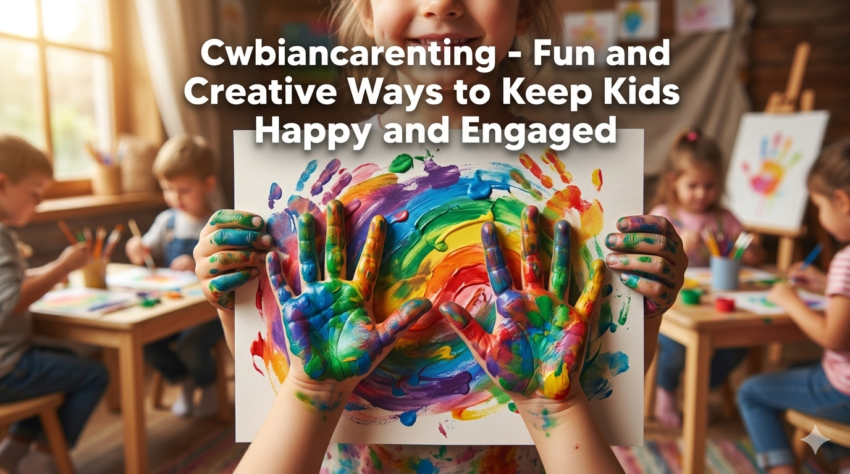
Arts and Crafts
Creative projects allow children to express themselves while improving their fine motor skills.
Popular craft ideas include:
- Paper flowers
- Finger painting
- Homemade greeting cards
- Clay modeling
- Recycled art projects
- DIY bookmarks
These activities are inexpensive and can keep children busy for hours.
Build a Reading Corner
Reading introduces children to new ideas, vocabulary, and adventures.
Create a comfortable reading area by adding:
- Soft cushions
- Colorful books
- Small bookshelf
- Cozy blanket
- Good lighting
Allow children to choose books based on their interests to encourage a lifelong love of reading.
Family Board Games
Board games help children learn valuable social and thinking skills.
Some excellent choices include:
- Memory games
- Word games
- Puzzle games
- Card games
- Strategy games
Playing together also improves teamwork and communication.
Outdoor Activities That Encourage Healthy Development
Fresh air and physical activity are essential for growing children.
Nature Treasure Hunt
Prepare a simple list of items children need to find, such as:
- Green leaves
- Flowers
- Small stones
- Pinecones
- Bird feathers
This activity improves observation skills while making outdoor exploration exciting.
Backyard Obstacle Course
Create a fun obstacle course using household items like:
- Chairs
- Buckets
- Balls
- Jump ropes
- Cones
Children improve balance, coordination, and confidence while staying active.
Gardening Together
Gardening teaches patience and responsibility.
Children can:
- Plant flowers
- Water vegetables
- Remove weeds
- Observe insects
- Learn how plants grow
Watching a garden flourish gives children a sense of accomplishment.
Educational Activities That Feel Like Play
Learning becomes much easier when children enjoy the process.
Easy Science Experiments
Simple experiments can spark curiosity.
Try activities like:
- Baking soda volcano
- Rainbow milk
- Floating egg experiment
- Homemade slime
- Growing crystals
Children learn basic scientific concepts while having fun.
Cooking Together
Cooking teaches several life skills, including:
- Reading instructions
- Measuring ingredients
- Counting
- Following steps
- Kitchen safety
Simple recipes such as sandwiches, fruit salads, and cookies are perfect for young helpers.
DIY Learning Games
Parents can easily create educational games at home.
Examples include:
- Alphabet matching
- Number bingo
- Flashcards
- Shape sorting
- Word puzzles
These games make learning enjoyable without feeling like schoolwork.
Creative Screen Free Entertainment
Reducing screen time helps children become more creative and active.
Storytelling Sessions
Take turns creating stories with your child.
Ask questions such as:
- Who is the hero?
- What problem needs solving?
- Where does the adventure happen?
- How does the story end?
Storytelling improves imagination and language development.
Puppet Shows
Children love creating their own characters.
Use:
- Socks
- Paper bags
- Cardboard
- Markers
- Fabric scraps
Puppet shows build confidence and encourage creative thinking.
Music and Dance
Playing music encourages movement and self expression.
Benefits include:
- Better coordination
- Physical exercise
- Improved mood
- Confidence
- Rhythm development
A short family dance session can brighten everyone’s day.
Rainy Day Entertainment Ideas
Bad weather does not have to mean boredom.
Fun indoor ideas include:
- Blanket forts
- Indoor bowling
- Coloring contests
- Puzzle races
- Lego building
- Family movie afternoon
- Treasure hunts
- Paper airplane competitions
Rotating activities keeps children excited throughout the day.
Budget Friendly Activities for Families
Parents do not need expensive toys to create memorable experiences.
Affordable ideas include:
- Visiting local parks
- Reading library books
- Making crafts from recycled materials
- Going on neighborhood walks
- Organizing family talent shows
- Playing homemade games
- Creating scavenger hunts
Children often value attention and quality time more than expensive gifts.
Entertainment Ideas by Age Group
Toddlers
Young children enjoy:
- Building blocks
- Bubble play
- Shape sorting
- Coloring
- Singing songs
Keep activities simple and colorful.
School Age Children
Children between five and ten years old often enjoy:
- Science experiments
- Treasure hunts
- Bicycle rides
- Reading challenges
- Craft projects
- Board games
These activities encourage independence and curiosity.
Older Children
Older kids may enjoy:
- Photography
- Cooking
- Sports
- Coding games
- Journaling
- DIY home projects
These hobbies develop useful life skills while keeping children engaged.
Helpful Parenting Tips
Keeping children entertained becomes much easier with a little planning.
Consider these suggestions:
- Create a daily activity schedule.
- Rotate toys regularly.
- Encourage independent play.
- Praise creativity and effort.
- Spend quality time together.
- Listen to your child’s interests.
- Balance learning with fun.
Children thrive when they feel supported and encouraged.
Common Mistakes to Avoid
Parents sometimes make entertainment more complicated than necessary.
Avoid these common mistakes:
- Relying only on screens
- Overscheduling every hour
- Comparing children
- Interrupting imaginative play
- Ignoring children’s interests
- Expecting perfect results
Allow children the freedom to explore, imagine, and create.
Conclusion
Finding enjoyable activities for children does not require expensive toys or complicated plans. The ideas shared in this guide about entertaining children cwbiancaparenting show that creativity, family involvement, and simple daily experiences can provide endless opportunities for learning and fun. Whether your child enjoys reading, outdoor adventures, arts and crafts, cooking, or educational games, every activity contributes to healthy development. By encouraging curiosity, imagination, and meaningful interaction, parents can help children build confidence, develop new skills, and create lasting family memories.
Frequently Asked Questions
What does entertaining children cwbiancaparenting mean?
It focuses on creative parenting ideas and enjoyable activities that help children stay engaged while learning valuable life skills.
How can I entertain children without using screens?
You can encourage reading, arts and crafts, storytelling, puzzles, gardening, cooking, board games, outdoor play, and science experiments.
Why is creative play important for children?
Creative play improves imagination, confidence, communication, emotional development, and problem solving while making learning enjoyable.
What are some low cost entertainment ideas for kids?
Visit local parks, borrow books from the library, create DIY crafts, organize scavenger hunts, build blanket forts, and enjoy family game nights.
How much daily playtime do children need?
Most child development experts recommend several hours of active and unstructured play every day to support healthy physical, mental, and emotional growth.