


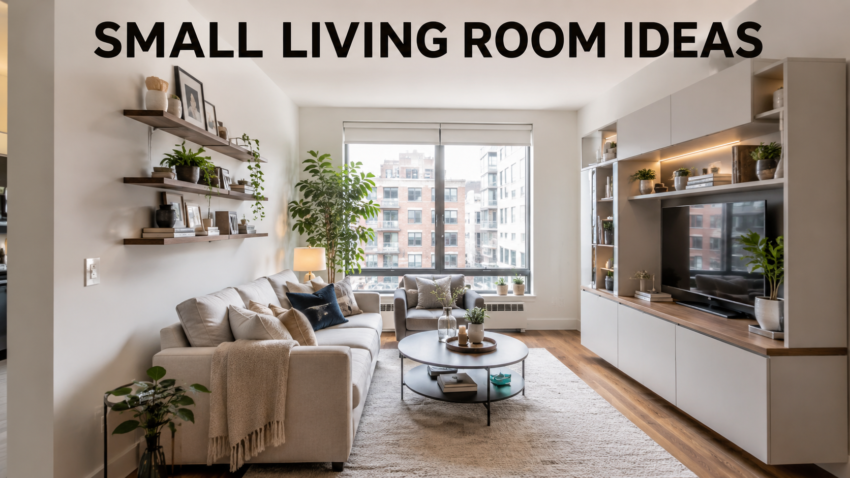
A small living room doesn’t have to feel cramped or cluttered. With the right design choices, even the most compact space can become comfortable, functional, and visually appealing. Whether you live in an apartment, a small house, or simply have a limited living area, smart decorating techniques can help you make the most of every square foot.
The key to designing a small living room is balancing style with practicality. By choosing the right furniture, colors, storage solutions, and layout, you can create a room that feels much larger than its actual size.
Why Small Living Room Design Matters
A well-designed small living room can:
- Feel more spacious
- Improve functionality
- Increase comfort
- Enhance natural light
- Reduce clutter
- Create a welcoming atmosphere
Even simple changes can have a dramatic impact on how a room looks and feels.
Choose Light Colors for a Spacious Feel
Color plays a major role in how large a room appears.
Best Colors for Small Living Rooms
Popular choices include:
- Soft white
- Light gray
- Beige
- Cream
- Pale blue
- Sage green
Light colors reflect more light, helping the room feel brighter and larger.
Use a Consistent Color Palette
Keeping walls, furniture, and décor within a similar color family creates a seamless appearance and prevents visual clutter.
Select the Right Furniture
Furniture should fit the scale of your room.
Avoid Oversized Pieces
Large sofas and bulky furniture can overwhelm a small space.
Instead, choose:
- Apartment-sized sofas
- Compact sectionals
- Slim armchairs
- Lightweight tables
Use Multifunctional Furniture
Furniture that serves multiple purposes is ideal.
Examples include:
- Storage ottomans
- Nesting tables
- Sofa beds
- Lift-top coffee tables
These pieces maximize functionality without taking up extra space.
Arrange Furniture Strategically
Furniture placement can significantly affect room flow.
Float Furniture Away from Walls
Placing furniture slightly away from walls can create depth and make the room feel larger.
Create Clear Pathways
Ensure there is enough space to move comfortably throughout the room.
Focus on a Focal Point
Examples include:
- Television
- Fireplace
- Large artwork
- Feature wall
A focal point helps organize the layout.
Maximize Natural Light
Natural light makes small rooms appear more open.
Keep Windows Unobstructed
Avoid placing large furniture directly in front of windows.
Use Sheer Curtains
Lightweight curtains allow sunlight to enter while maintaining privacy.
Add Mirrors
Mirrors reflect both natural and artificial light.
Position mirrors:
- Across from windows
- Near light sources
- On feature walls
This creates the illusion of a larger room.
Use Vertical Space Effectively
When floor space is limited, think vertically.
Install Floating Shelves
Floating shelves provide storage without consuming floor area.
Use Tall Bookcases
Vertical storage draws the eye upward and increases storage capacity.
Mount Your Television
Wall-mounted televisions free up valuable floor space.
Utilizing vertical space keeps the room organized and functional.
Declutter and Simplify
Clutter can quickly make a small room feel crowded.
Follow a Minimalist Approach
Keep only items that serve a purpose or add value.
Use Hidden Storage
Consider:
- Storage benches
- Ottoman storage
- Built-in cabinets
Organize Accessories
Use baskets and decorative containers to keep smaller items tidy.
A clutter-free room always feels larger and more relaxing.
Choose the Right Rug
A properly sized rug can visually expand a room.
Go Larger Than You Think
A rug that extends under furniture often makes the room appear bigger.
Use Simple Patterns
Busy patterns can overwhelm a small space.
Neutral or subtle designs work best.
Add Smart Lighting
Lighting can completely transform a room.
Layer Lighting
Combine:
- Ceiling lights
- Floor lamps
- Table lamps
- Wall sconces
Multiple light sources add depth and warmth.
Use Warm Lighting
Soft, warm lighting creates a cozy and inviting atmosphere.
Consider Wall-Mounted Fixtures
Wall sconces save floor and table space.
Incorporate Mirrors for Depth
Mirrors remain one of the most effective design tools for small spaces.
Benefits include:
- Reflecting light
- Creating visual depth
- Making rooms feel larger
Large mirrors often produce the most dramatic effect.
Create Built-In Storage Solutions
Built-in storage helps maximize every inch of space.
Ideas include:
- Window seating with storage
- Built-in shelving
- Custom entertainment units
- Wall cabinets
These solutions reduce clutter while maintaining a clean appearance.
Add Plants Without Overcrowding
Indoor plants bring life and freshness to a room.
Good options include:
- Snake Plant
- ZZ Plant
- Pothos
- Peace Lily
Use:
- Hanging planters
- Wall-mounted pots
- Small tabletop plants
This keeps greenery from consuming valuable floor space.
Small Living Room Décor Ideas
Use Large Artwork
One large piece of artwork often works better than many small pieces.
Keep Accessories Simple
Too many decorative items can create visual clutter.
Choose Glass Furniture
Glass tables appear lighter and less bulky than solid materials.
Add Texture
Introduce texture through:
- Cushions
- Throws
- Rugs
- Natural materials
Texture creates interest without overwhelming the space.
Open-Concept Small Living Room Ideas
If your living room connects to other spaces:
Define Zones
Use rugs or furniture placement to separate areas.
Maintain Consistent Colors
A unified palette creates a seamless flow.
Use Flexible Furniture
Movable furniture adapts to different needs and layouts.
These strategies help maintain openness while improving functionality.
Common Small Living Room Mistakes
Overcrowding the Room
Too much furniture reduces comfort and movement.
Ignoring Scale
Furniture should match the room’s proportions.
Blocking Natural Light
Heavy curtains and large furniture can darken the space.
Excessive Decoration
Too many accessories create visual clutter.
Poor Storage Planning
Lack of storage often leads to disorganization.
Avoiding these mistakes helps maintain a balanced design.
Small Living Room Trends in 2026
Popular trends include:
- Multifunctional furniture
- Sustainable materials
- Minimalist design
- Smart home integration
- Natural textures
- Space-saving storage solutions
These trends focus on maximizing both comfort and efficiency.
Conclusion
Designing a small living room is all about making smart choices. Light colors, multifunctional furniture, strategic lighting, and effective storage solutions can dramatically improve the appearance and functionality of limited space.
By focusing on simplicity, organization, and thoughtful design, you can create a living room that feels spacious, comfortable, and stylish regardless of its size. With the right approach, even the smallest living room can become one of the most inviting areas in your home.
FAQs
How can I make a small living room look bigger?
Use light colors, mirrors, natural light, and appropriately sized furniture to create a more spacious appearance.
What furniture works best in a small living room?
Compact sofas, storage ottomans, nesting tables, and multifunctional furniture are ideal choices.
Are dark colors bad for small living rooms?
Not necessarily, but lighter colors generally help create a brighter and more open feeling.
Should I use a large or small rug?
A larger rug often makes a small room appear bigger and more cohesive.
How do I reduce clutter in a small living room?
Use hidden storage, organize belongings, and avoid unnecessary decorative items.
Can plants work in small living rooms?
Yes. Small plants, hanging planters, and wall-mounted greenery add life without taking up much space.
What lighting is best for a small living room?
Layered lighting that combines ceiling fixtures, lamps, and wall sconces works best.
Is minimalist design good for small spaces?
Yes. Minimalist design reduces visual clutter and helps small rooms feel more open and organized.