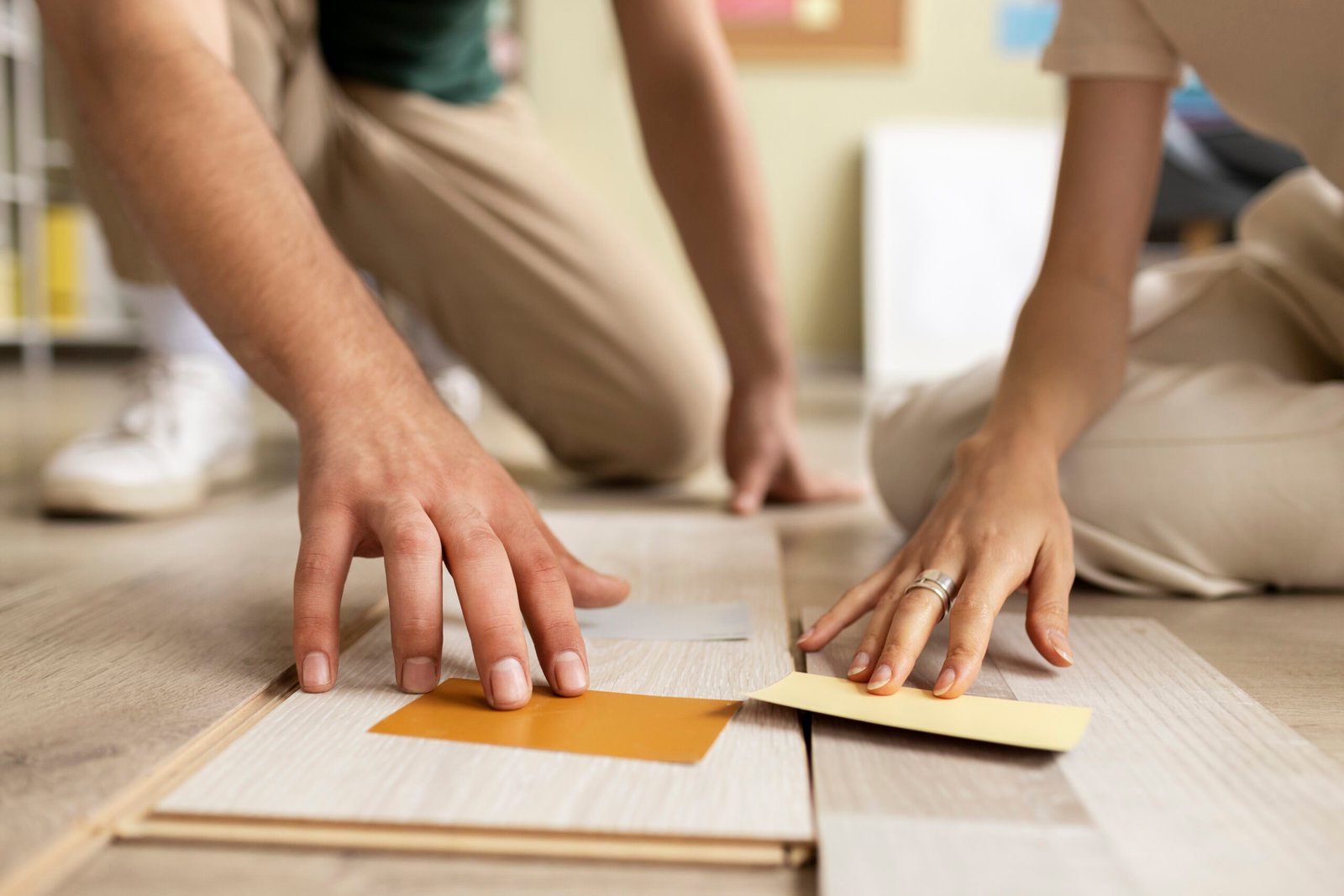
Choosing the right flooring can completely change the appearance, comfort, and functionality of a home. Floors influence how a room feels, how easily it can be maintained, and how well the space handles everyday activity. Flooring Ideas, Guides & Expert Home Improvement Tips can help homeowners understand the available materials, compare their advantages, and make practical decisions based on lifestyle, budget, and room requirements. From classic hardwood to modern luxury vinyl and durable tile, the right flooring can provide long-lasting value while complementing the overall design of a property.
Understand Your Room Requirements
Every room has different flooring needs. Before choosing a material, consider how the space is used and the conditions it experiences.
High-traffic areas such as entryways, hallways, and family rooms require durable surfaces that can withstand frequent use. Kitchens and bathrooms need flooring that handles moisture effectively. Bedrooms may benefit from warmer and softer surfaces, while living rooms offer more flexibility depending on personal preferences.
Think about pets, children, furniture, cleaning habits, and the amount of traffic the floor will receive. These factors can help narrow down suitable flooring options before you begin comparing colors and patterns.
Explore Hardwood Flooring
Hardwood remains a popular choice because of its natural appearance and timeless character. Available in different wood species, stains, plank widths, and finishes, hardwood can work with traditional, transitional, and contemporary interiors.
One advantage of hardwood is that some solid wood floors can be refinished when they become worn. This can extend their usable life and allow homeowners to change the appearance without replacing the entire floor.
However, hardwood requires appropriate care and may not be ideal for areas with frequent moisture exposure. Spills should be cleaned promptly, and homeowners should follow the manufacturer’s maintenance recommendations.
Consider Engineered Wood
Engineered wood provides the appearance of natural wood while using a layered construction. This structure can provide greater dimensional stability than traditional solid wood in certain environments.
It is available in many wood species, finishes, plank sizes, and colors. Because of its versatility, engineered wood can be suitable for various rooms where homeowners want the appearance of timber flooring.
Before installation, check the product specifications and make sure the chosen flooring is appropriate for the intended room and installation method.
Look at Tile Flooring
Tile is a practical choice for areas where durability and moisture resistance are important. Ceramic and porcelain tiles are available in an extensive range of colors, textures, shapes, and patterns.
Large-format tiles can create a clean, spacious appearance by reducing the number of visible grout lines. Smaller tiles can introduce patterns and visual interest.
Tile is especially common in bathrooms, kitchens, laundry rooms, and entryways. However, it can feel harder and colder underfoot than some other flooring materials. Area rugs and appropriate underfloor heating systems may help improve comfort where suitable.
Explore Luxury Vinyl Flooring
Luxury vinyl flooring has become popular because it can reproduce the appearance of wood, stone, and other materials while offering practical everyday performance.
It is available in plank and tile formats, making it adaptable to different interior styles. Many products are designed to resist moisture and everyday wear, although performance varies between products.
When considering vinyl flooring, review the product’s construction, wear layer, installation requirements, warranty, and recommended applications. Selecting a quality product can make a significant difference in long-term performance.
Think About Laminate Flooring
Laminate flooring can provide an affordable way to achieve the appearance of hardwood or stone. Modern designs can feature realistic textures and patterns that complement many decorating styles.
Laminate is often valued for its relatively simple maintenance and resistance to everyday wear. However, not every laminate product has the same moisture resistance, so it is important to check manufacturer guidelines before installing it in areas exposed to water.
Proper subfloor preparation is also essential. Uneven surfaces can affect the appearance and performance of floating flooring systems.
Choose Carpet for Comfort
Carpet can add warmth, softness, and acoustic benefits to bedrooms, family rooms, and other areas where comfort is important. It is available in numerous colors, fibers, patterns, and pile styles.
When selecting carpet, consider stain resistance, durability, cleaning requirements, and household activity. A high-traffic home may require a more durable option than a room used occasionally.
Professional installation can help ensure proper seams, secure edges, and an attractive finished appearance.
Pay Attention to Color and Pattern
Flooring should complement the overall room rather than compete with furniture, walls, and architectural features. Light-colored flooring can make some rooms feel brighter and more open, while darker flooring can create a richer and more dramatic atmosphere.
Wood-look flooring with subtle variation can provide a natural appearance. Patterned tile can become a focal point in a bathroom, entryway, or kitchen.
When choosing a color, consider how it will look under both natural and artificial lighting. Requesting samples and viewing them at different times of day can help prevent unexpected results after installation.
Prepare the Subfloor Properly
A beautiful flooring material cannot perform properly if the surface beneath it is unsuitable. Before installation, the subfloor should be evaluated for levelness, moisture, cleanliness, and structural condition.
Depending on the flooring type, additional underlayment may be required. Underlayment can provide support, sound reduction, moisture protection, or other performance benefits.
Ignoring subfloor problems can lead to movement, squeaking, damaged flooring, or premature wear. Proper preparation is therefore an important part of any flooring project.
Plan for Long-Term Maintenance
Different flooring materials require different cleaning routines. Hardwood may need specific cleaning products and protection from excessive moisture. Tile requires regular cleaning of both surfaces and grout. Carpet needs routine vacuuming and periodic deep cleaning.
Before purchasing flooring, understand the manufacturer’s care instructions. Choosing a floor that fits your willingness and ability to maintain it can make everyday life much easier.
Protective pads under furniture can help reduce scratches and dents. Entry mats can also reduce the amount of dirt and moisture brought into the home.
Set a Realistic Flooring Budget
The cost of a flooring project includes more than the price of the material. Installation, underlayment, subfloor repairs, removal of existing flooring, transitions, trim, delivery, and disposal may all affect the total project cost.
Create a complete budget before ordering materials. It is also wise to account for unexpected subfloor repairs or additional preparation work.
A lower initial price does not always mean better value. Consider durability, maintenance, expected lifespan, and replacement costs when comparing different options.
Work With Qualified Professionals
Professional installation can be especially valuable for complex layouts, large areas, stairs, moisture-sensitive spaces, and premium materials. An experienced installer can identify preparation issues, recommend appropriate installation methods, and help achieve a clean finished result.
Before hiring a flooring professional, review their experience, previous work, project scope, installation process, and warranty terms. Clear communication about materials, timelines, preparation, and costs can help avoid misunderstandings.
The right flooring can improve both the appearance and everyday performance of a home. By considering room requirements, material characteristics, installation conditions, maintenance needs, and long-term value, homeowners can make more confident decisions. Whether you prefer the warmth of hardwood, the durability of tile, the versatility of vinyl, or the softness of carpet, thoughtful planning can help create floors that look beautiful and perform reliably for years. Good flooring is not simply a decorative choice. It is an important part of creating a comfortable, practical, and lasting home.