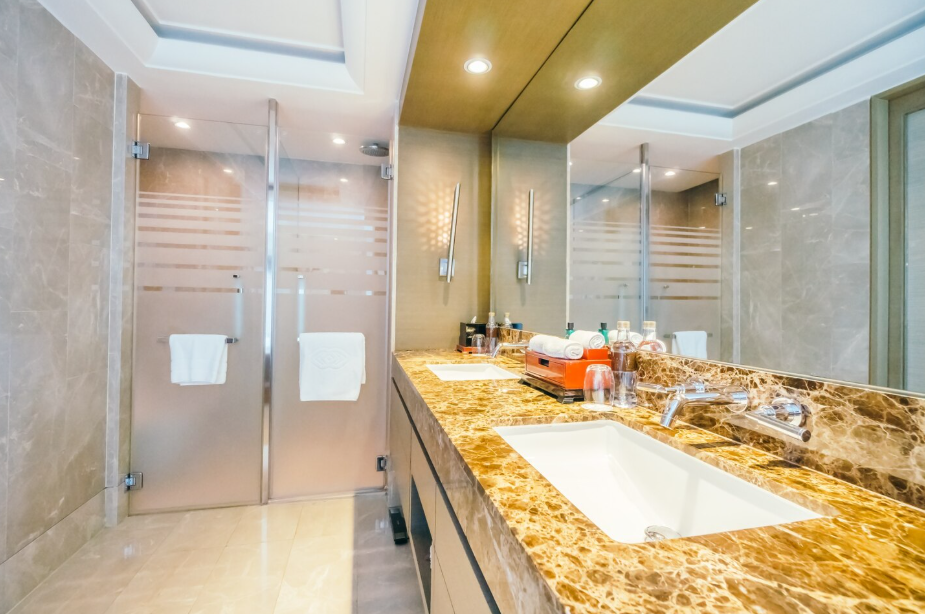
A well-designed bathroom can make a home feel more comfortable, functional, and visually appealing. Whether you are planning a complete renovation or simply looking for ways to refresh an outdated space, thoughtful planning can make a significant difference. Bathroom Ideas, Design Tips & Renovation Inspiration can help homeowners explore practical layouts, attractive materials, modern fixtures, and smart storage solutions before starting a project. From small powder rooms to spacious master bathrooms, the right combination of style and functionality can create a space that works beautifully for everyday life.
Start With Your Bathroom Layout
The layout is one of the most important parts of bathroom design. Before selecting colors, tiles, or fixtures, consider how people will move through the room. A good layout provides enough clearance around the toilet, shower, bathtub, and vanity while keeping frequently used areas easy to access.
For smaller bathrooms, a wall-mounted vanity can create the feeling of additional floor space. A corner shower may also make better use of an awkward area. In larger bathrooms, homeowners can consider a separate shower and bathtub, double vanities, or a dedicated dressing area.
It is also important to think about plumbing locations. Keeping fixtures close to existing plumbing can sometimes reduce renovation complexity and help control costs. However, moving plumbing may be worthwhile when the existing layout prevents the bathroom from functioning properly.
Choose a Style That Fits Your Home
A bathroom should feel connected to the overall character of the house. Modern bathrooms often feature clean lines, simple cabinetry, large-format tiles, and minimal decoration. Traditional spaces may include detailed vanities, classic fixtures, decorative tile patterns, and warmer finishes.
For a timeless look, neutral colors such as white, beige, gray, and soft earth tones are popular choices. These colors can provide a flexible background for changing accessories and decorations over time.
Homeowners who want more personality can introduce color through wall paint, patterned tiles, mirrors, towels, lighting, or decorative accessories. The key is to create balance rather than allowing too many competing patterns or finishes to dominate the room.
Make Storage a Priority
Storage is essential in every bathroom. Toiletries, towels, cleaning products, cosmetics, and personal items can quickly create clutter when there is not enough dedicated space.
Vanities with drawers can provide convenient storage for everyday essentials. Recessed medicine cabinets can add storage without taking up much wall space. Open shelving can be useful for towels and decorative items, while tall cabinets can take advantage of vertical space.
In compact bathrooms, consider using the area above the toilet, the inside of cabinet doors, or narrow wall-mounted shelves. Even small storage improvements can make the room feel considerably more organized.
Select Durable Bathroom Materials
Bathrooms experience frequent moisture, temperature changes, and daily use, so materials should be selected for both appearance and durability. Porcelain and ceramic tiles are common choices for floors and walls because they are available in many styles and are relatively easy to maintain.
Natural stone can provide an elegant appearance, but it may require more maintenance depending on the material and finish. Countertops should also be chosen according to the amount of use the bathroom receives.
Flooring deserves special attention. A bathroom floor should provide suitable moisture resistance and adequate slip resistance. Smaller tiles can sometimes provide additional grout lines, which may contribute to traction, while textured surfaces can also be useful in wet areas.
Improve Lighting
Good lighting can transform the atmosphere of a bathroom while improving functionality. A layered lighting plan usually works better than relying on one ceiling fixture.
Ambient lighting provides general illumination throughout the room. Task lighting around a vanity helps with grooming and daily routines. Accent lighting can highlight architectural features, decorative tiles, shelving, or artwork.
Mirrors should also be positioned carefully in relation to lighting. Wall-mounted fixtures on both sides of a mirror can provide balanced illumination and reduce shadows on the face. Dimmers can provide flexibility, allowing bright lighting in the morning and softer illumination during relaxing evening routines.
Consider Water-Efficient Fixtures
Bathroom renovations provide an opportunity to improve water efficiency. Modern toilets, faucets, and showerheads can be designed to use less water while maintaining useful performance.
Water-efficient fixtures may help reduce household water consumption over time. Look for products that meet recognized efficiency standards and choose fixtures appropriate for the home’s plumbing system.
A renovation is also a good time to inspect older pipes, valves, drains, and connections. Addressing potential plumbing problems before installing new finishes can help prevent costly damage later.
Create a Comfortable Shower Area
The shower is often one of the most frequently used areas in a bathroom. A well-planned shower should provide sufficient space, convenient controls, good drainage, and appropriate storage.
Built-in niches can keep shampoo and soap organized without requiring bulky shower caddies. Handheld showerheads can provide additional flexibility, while a fixed showerhead can deliver a traditional experience.
Frameless glass shower enclosures can make a bathroom appear more open by reducing visual barriers. For homeowners who prefer privacy, textured or frosted glass may provide an alternative.
Add the Right Vanity and Mirror
The vanity often becomes a visual focal point of the bathroom. Its size should match the available space while providing enough countertop and storage capacity.
Single vanities work well in compact rooms, while double vanities may be useful in larger bathrooms shared by multiple people. Cabinet hardware can also influence the overall appearance. Brushed metal, matte finishes, polished hardware, and black accents can each create a different design character.
The mirror should complement the vanity rather than overwhelm it. A large mirror can make a small bathroom appear more spacious, while decorative mirrors can add personality to a larger design.
Plan Your Renovation Budget
A realistic budget should include more than the cost of visible finishes. Demolition, labor, plumbing, electrical work, waterproofing, permits where applicable, fixtures, cabinetry, flooring, lighting, and unexpected repairs can all affect the final cost.
It is helpful to divide the budget into essential improvements and optional upgrades. For example, repairing water damage or improving ventilation should generally take priority over decorative accessories.
Keeping a contingency amount available can also make it easier to handle unexpected conditions discovered after walls or floors are opened.
Think About Ventilation
Proper ventilation is one of the most important but frequently overlooked bathroom improvements. Excess humidity can contribute to moisture problems, unpleasant odors, and damage to finishes.
An appropriately sized exhaust fan can help remove humid air. Windows can provide additional natural ventilation where practical, but mechanical ventilation may still be useful, particularly in bathrooms that remain humid after showers.
Good ventilation should be considered during the planning stage rather than treated as an afterthought.
Add Personal Finishing Touches
Once the major elements are complete, accessories can bring the design together. Towels, rugs, artwork, plants suitable for humid environments, decorative containers, and small storage baskets can add warmth without requiring another major renovation.
Keep the number of decorative elements controlled so the bathroom remains easy to clean and comfortable to use. A few carefully selected details can have more impact than a room filled with accessories.
Ultimately, successful bathroom design combines beauty, comfort, durability, and practicality. Careful planning can help homeowners avoid common renovation mistakes while creating a room that suits their lifestyle. Whether the goal is a contemporary retreat, a classic family bathroom, or a practical small-space makeover, thoughtful choices in layout, materials, lighting, storage, ventilation, and fixtures can turn an ordinary bathroom into an inviting part of the home. The best renovation is one that looks attractive today while remaining functional and enjoyable for years to come.
One thought on “Bathroom Ideas, Design Tips & Renovation Inspiration”